

The 2016 legislative session almost made it. Tax and supplemental spending bills (with the exception of a mysterious tobacco tax cut) are widely acceptable to both parties and to Gov. Mark Dayton.
However, the problem-plagued Southwest light-rail project remained unfunded. With a midnight deadline minutes away, a powerful, panicking herd of developers — downtown business interests, construction companies and unions — pushed a funding amendment through the Senate. Too late. Amid confusion, the billion-dollar bonding deal fell apart.
Without a reasonable transit compromise, our opportunity to have a 2016 bonding bill will be lost. This would be a major injury to the entire state. It's no surprise that a special session is now widely seen as a needed remedy. But to reach a compromise, we need to fix a fatal design flaw with the light-rail route.
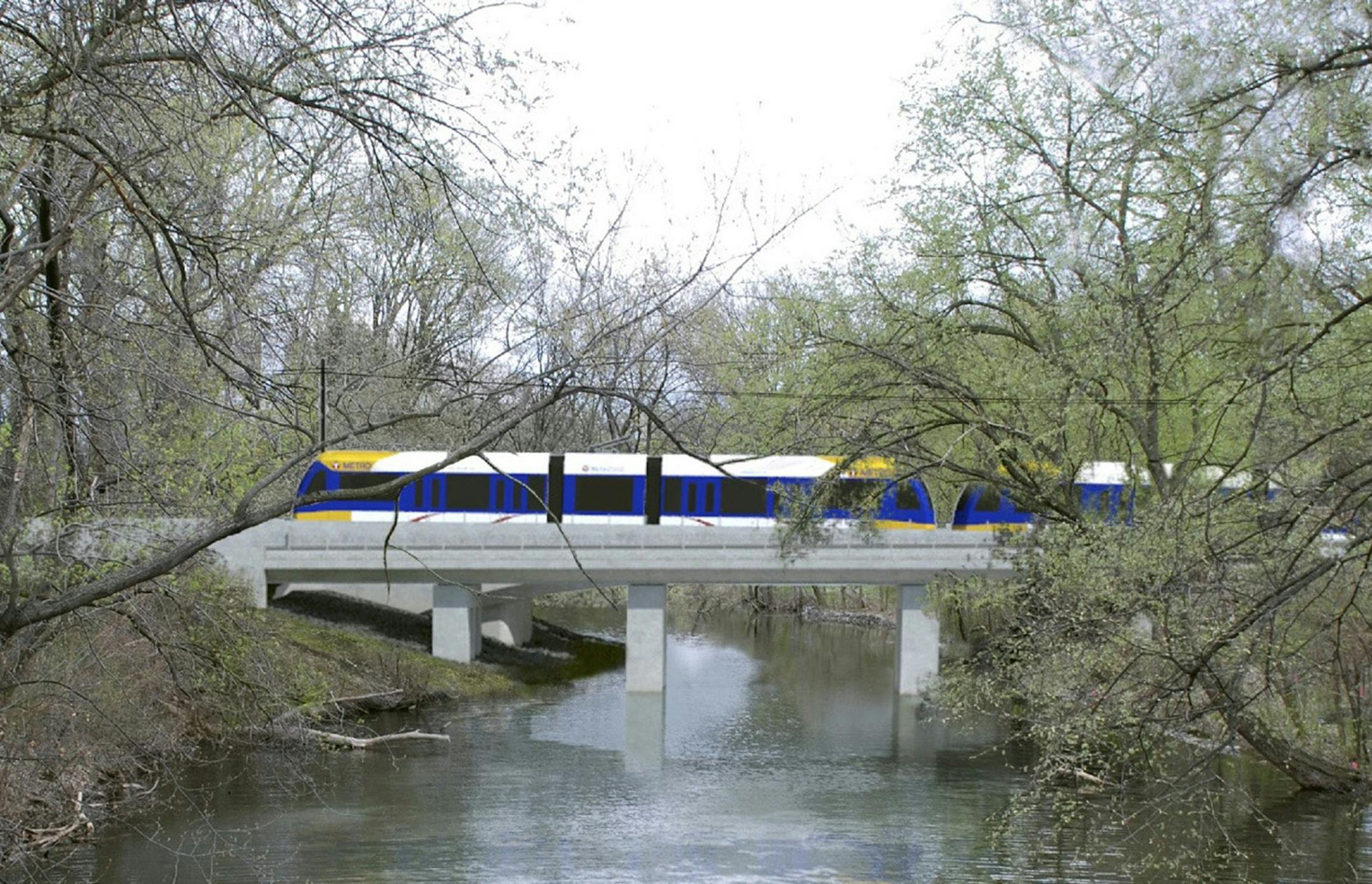
The current Southwest plan co-locates freight and light rail in the Kenilworth corridor. When the locally preferred alternative was selected in 2010, it required that freight rail be moved out of the Kenilworth corridor. Unfortunately, freight rail relocation has proved impossible.
Since 2010, we have learned much more about the inherent danger of allowing milelong freight trains carrying ethanol and Bakken crude to run next to light-rail trains. And the current plan for the Kenilworth corridor is far worse than simple co-location. It buries the light-rail trains in a tunnel — running under oil and ethanol trains with thousands of times the weight of explosive material used for the 1995 Oklahoma City Federal Building bombing. And burning oil and ethanol flow downhill. This design is an open invitation for terrorist attack.
Beyond the co-location issue, the route fails to serve areas in Minneapolis with the highest population density in the state. It fails to serve high-poverty and high-minority communities in south Minneapolis. It doesn't reach the Convention Center, and it doesn't link to a fast-growing network of bus routes on Interstate 35W — the most widely used transportation corridor in the state.
The Metropolitan Council's de-facto "predetermination" that the route should go through Kenilworth is being challenged in federal court by the Lakes and Parks Alliance. The court recently ruled that the Metropolitan Council must comply with the alliance's discovery requests. So that legal battle is heating up.
Here's a crucial piece of good news: The Counties Transit Improvement Board (CTIB) — the main local source for light-rail transit — has more than enough current tax revenue to finance the state's capital share for Southwest light rail.


