Lou Gehrig didn't want to say a word. When he did, he changed the world.
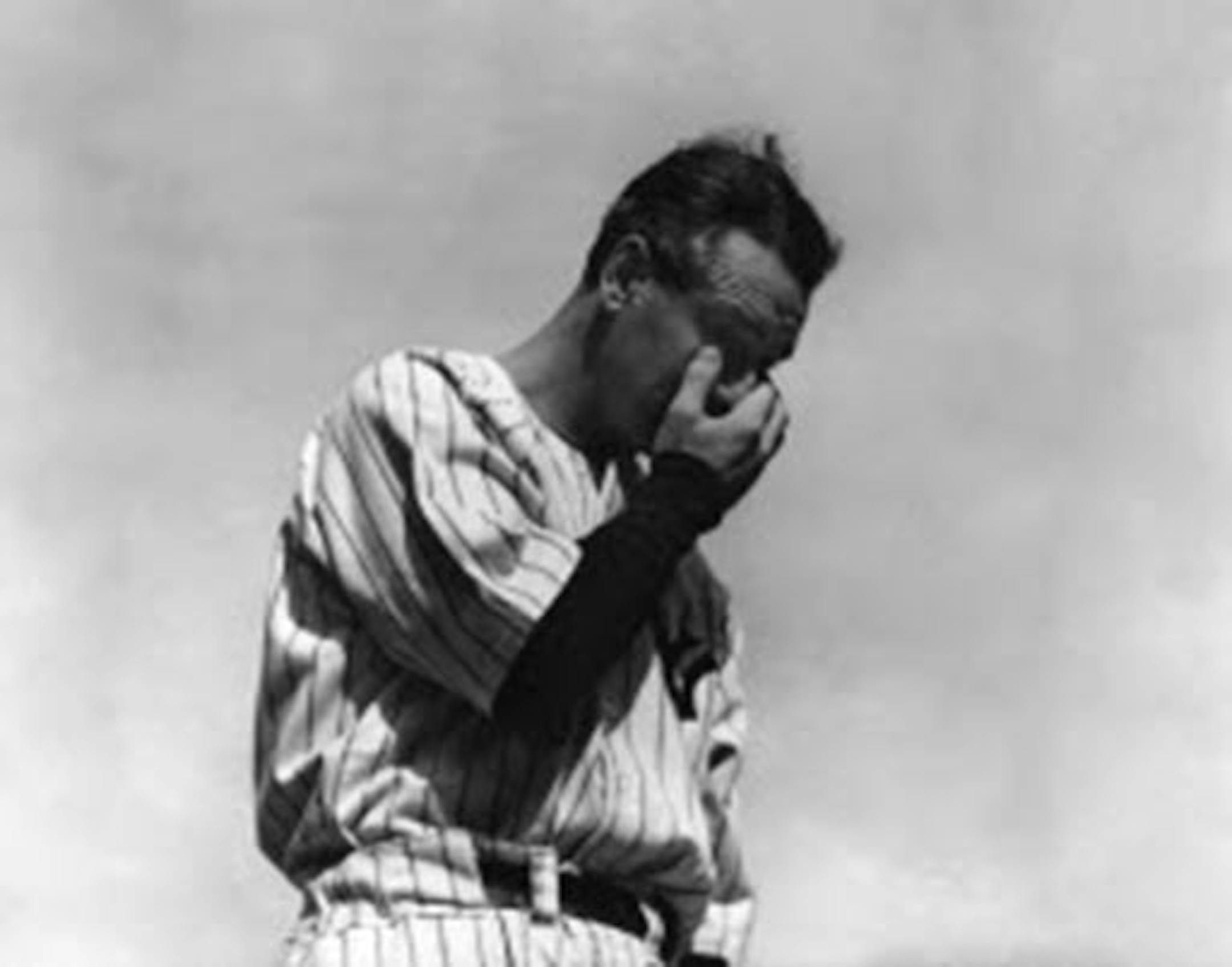
The most famous, most iconic, most moving speech in baseball history almost never happened, because Gehrig, overwhelmed by emotion after listening to one tribute after another in an on-field ceremony he had dreaded, declined to address a solemn Yankee Stadium crowd of 61,000 afterward. Later, he told his teammates he feared he might fall over, so overwrought was the scene. So the master of ceremonies announced that Gehrig would remain silent.
His legions of fans, as moved by the day's subtext as he was, would not. A chant began almost immediately, and finally consumed the stadium: "We want Lou! We want Lou!" The object of all that passion, who had learned in Minnesota just a week earlier that he was doomed to a swift and sickly death, finally relented, stepped forward to the microphone at his manager's urging, and slowly, shyly began to speak.
What he said next, the 250 or so words that he shared between games of a doubleheader with the Washington Senators (forerunners of today's Twins) exactly 75 years ago, mesmerized America, caused a stadium full of people to openly weep, changed medical history, saved countless lives, and transformed a baseball hero into, simply, a hero. "For the past two weeks, you've been reading about a bad break," the Yankees slugger said, the electricity of the moment causing him to mispronounce "break" as "brag." And then, the words that will forever be associated with him: "Today, I consider myself the luckiest man on the face of the Earth."
"It was a hugely important speech, because it was the first time such a public figure had revealed his vulnerability. And not just revealed it, but confronted it, challenged it," said Jonathan Eig, whose bestselling 2005 biography, "Luckiest Man," is considered a definitive portrait of Gehrig. "He captured, beautifully and succinctly, his enthusiasm and appreciation for life. To step up and acknowledge his problems, and to do it in a brave and optimistic way, it changed a lot of people's views about Gehrig and about facing hardship or death."
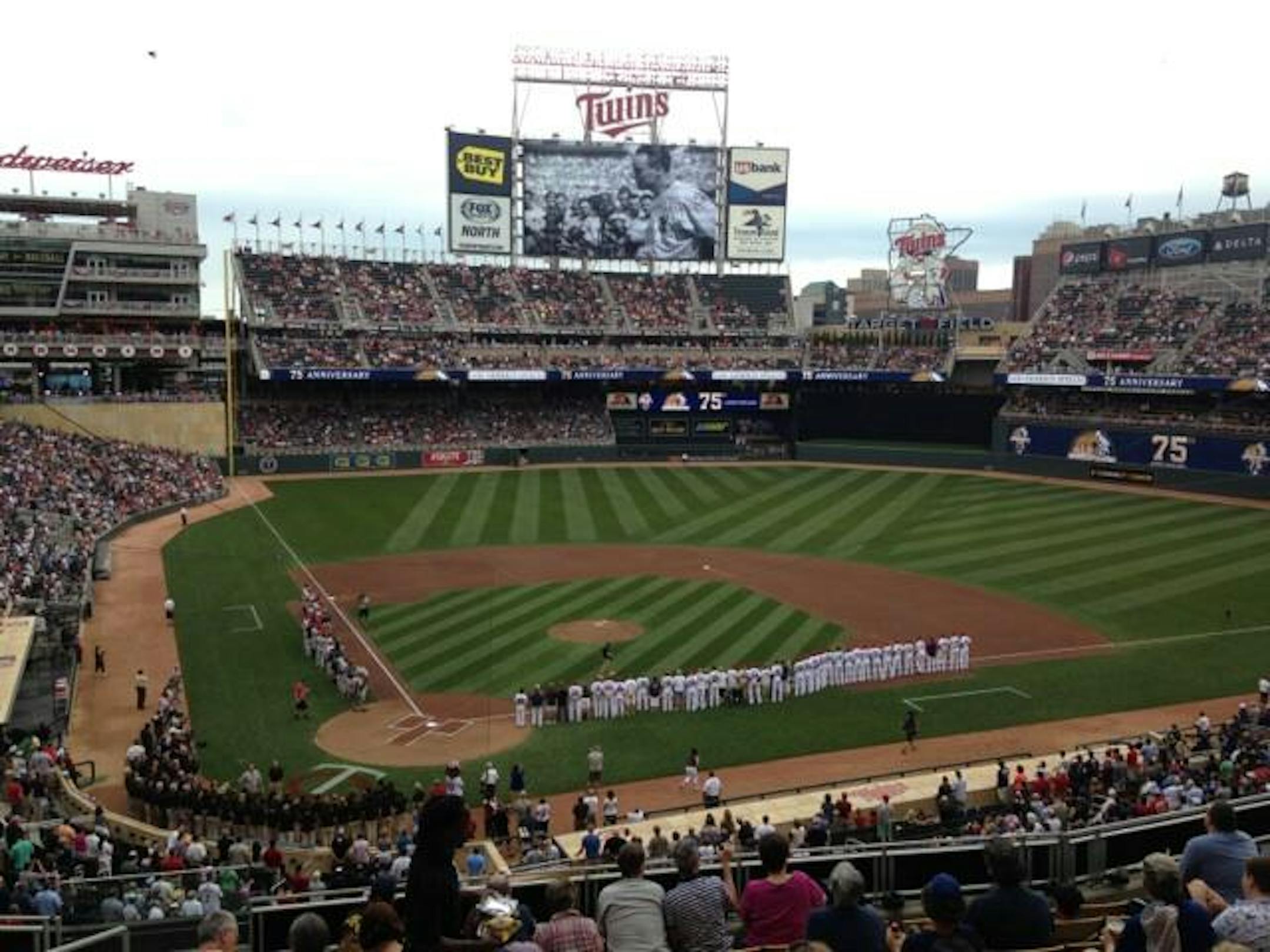
It did at the time — Gehrig was inundated by sacks of mail that poured into Yankee Stadium in the weeks that followed — and it still does. The Yankees and Twins will pay tribute to Gehrig and his 1939 speech Friday at Target Field, as will all teams around baseball, with players reciting Gehrig's words and greeting patients. Just as his speech has thousands of times already, the occasion will raise awareness of amyotrophic lateral sclerosis, or ALS, the degenerative muscular disease that ended his life in 1941, two weeks before his 38th birthday.
"To have a famous celebrity, a baseball icon, be associated with the disease, it's unfortunate. But at the same time, it's raised millions and millions of dollars to fight ALS and help those who have it," said Twins coach Terry Steinbach, whose father died of ALS in 1999 and who has raised millions himself through his involvement in the annual Blizzard Tour snowmobile ride. "Who knows how many thousands of people have benefited specifically because Lou Gehrig had the disease. In that way, he's still a hero today."
'Message of optimism'
Gehrig's message of hope, delivered by thanking those close to him, was more important and more profound than the actual words — many of which are lost to history anyway. In fact, only four sentences of Gehrig's speech, including the first two lines and the closing, are known to exist on audio or video recordings today. While a handful of cameramen recorded the speech, once the highlights were preserved for newsreels, the rest of the film apparently was destroyed. "I've searched every recording of Gehrig I can find but have never found anything other than those four sentences," Eig said. "I keep hoping someone will find an old film in their attic."