In many ways, Brenda and Steve Helle's eldest daughter seems like a little girl.
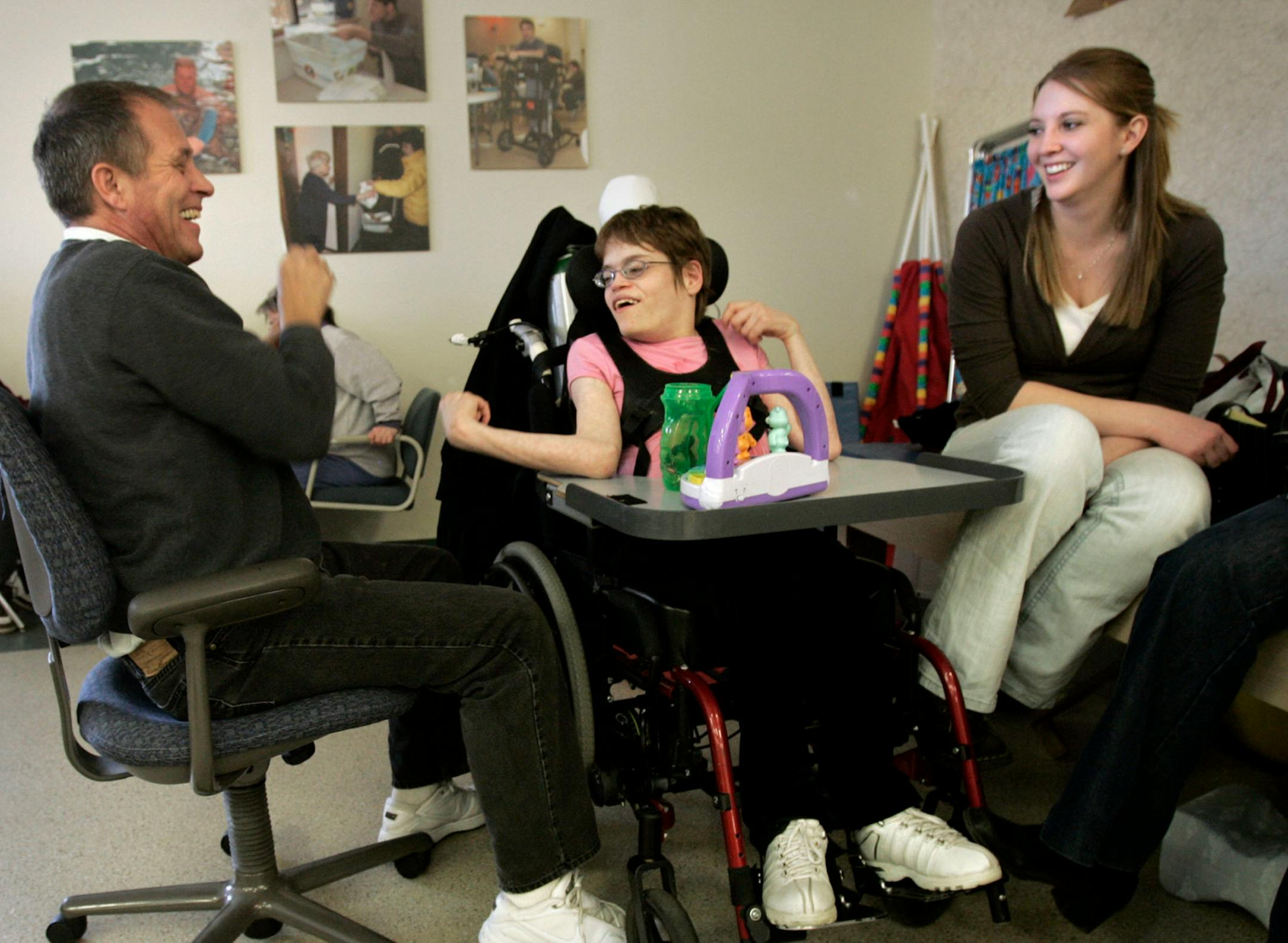
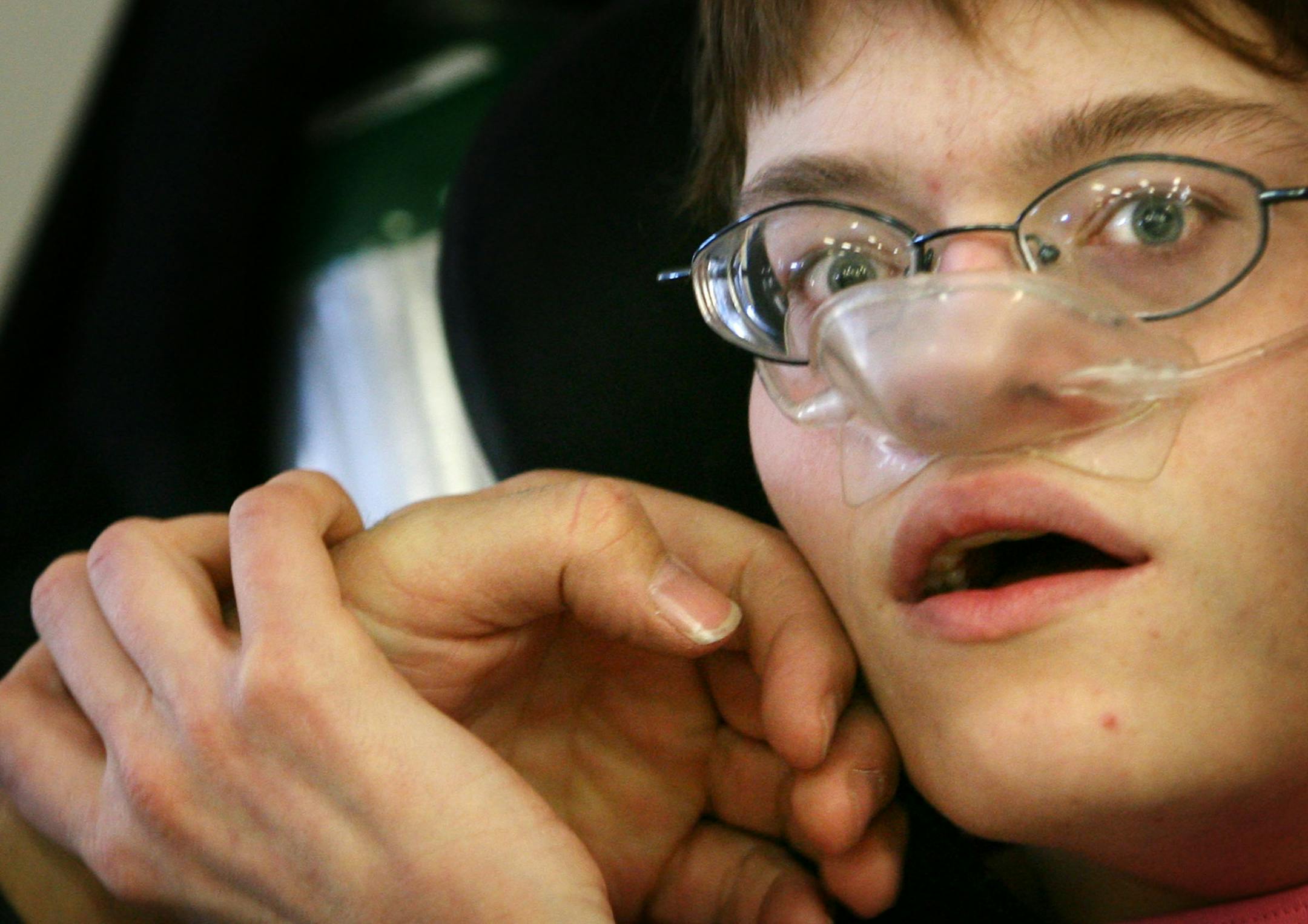
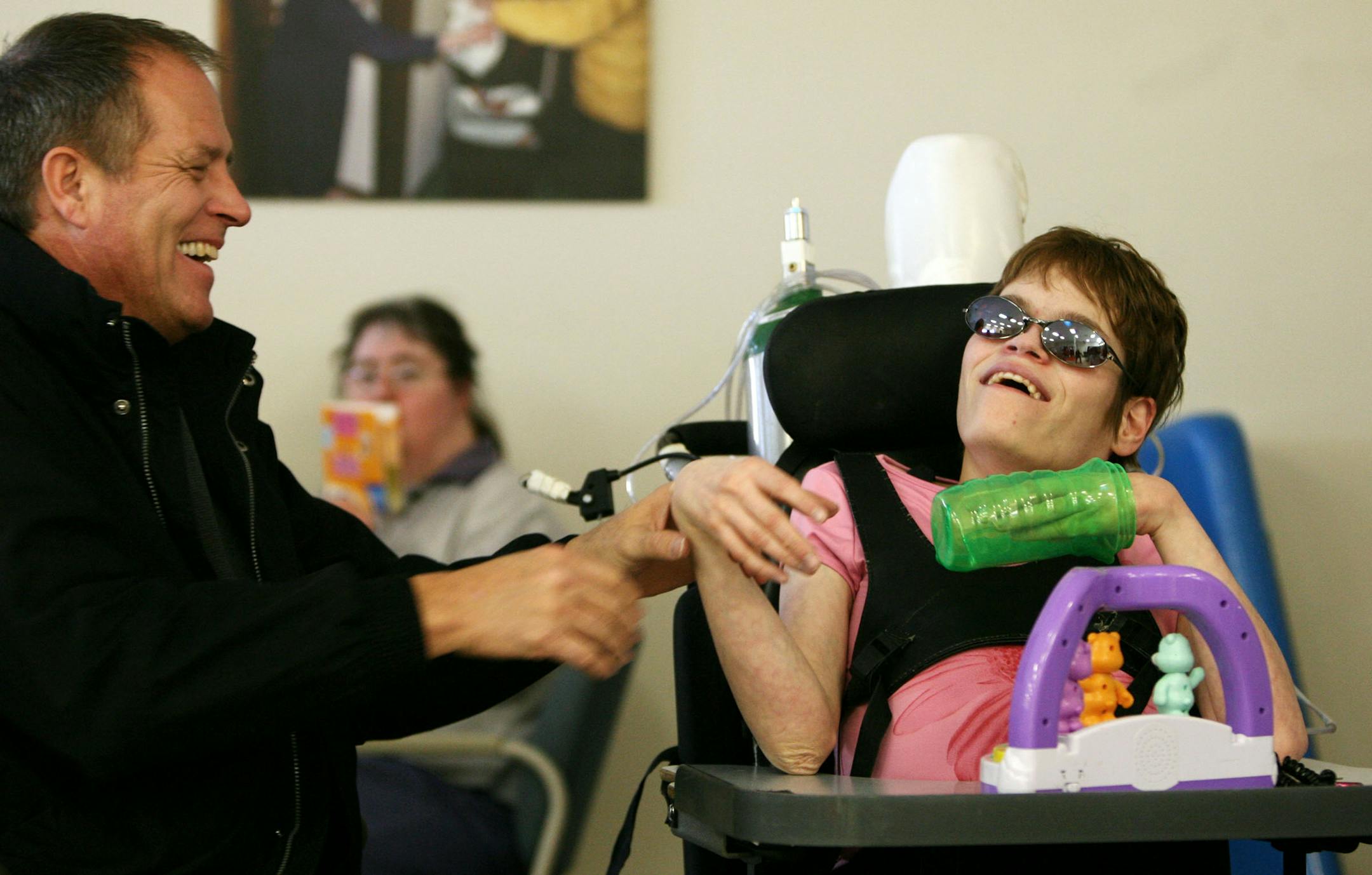
Stephanie's eyes light up if someone dangles a set of keys over her wheelchair. And she laughs infectiously as she plays tug-of-war with her sister with a plastic tube that's supposed to be supplying her oxygen.
It is not an easy life, with all her disabilities: she is legally blind and deaf, unable to walk or talk. But to her parents, the fact that she's alive and happy is something of a miracle.
Doctors told them that Stephanie wouldn't live to see her first birthday. Next week, she's turning 30. And her parents are holding an open house Sunday to celebrate.
"Her birthday means we've gotten 29 more years with her than we expected," said Brenda Helle, 55, of Cedar, in Anoka County. "Every year since then has just been a gift."
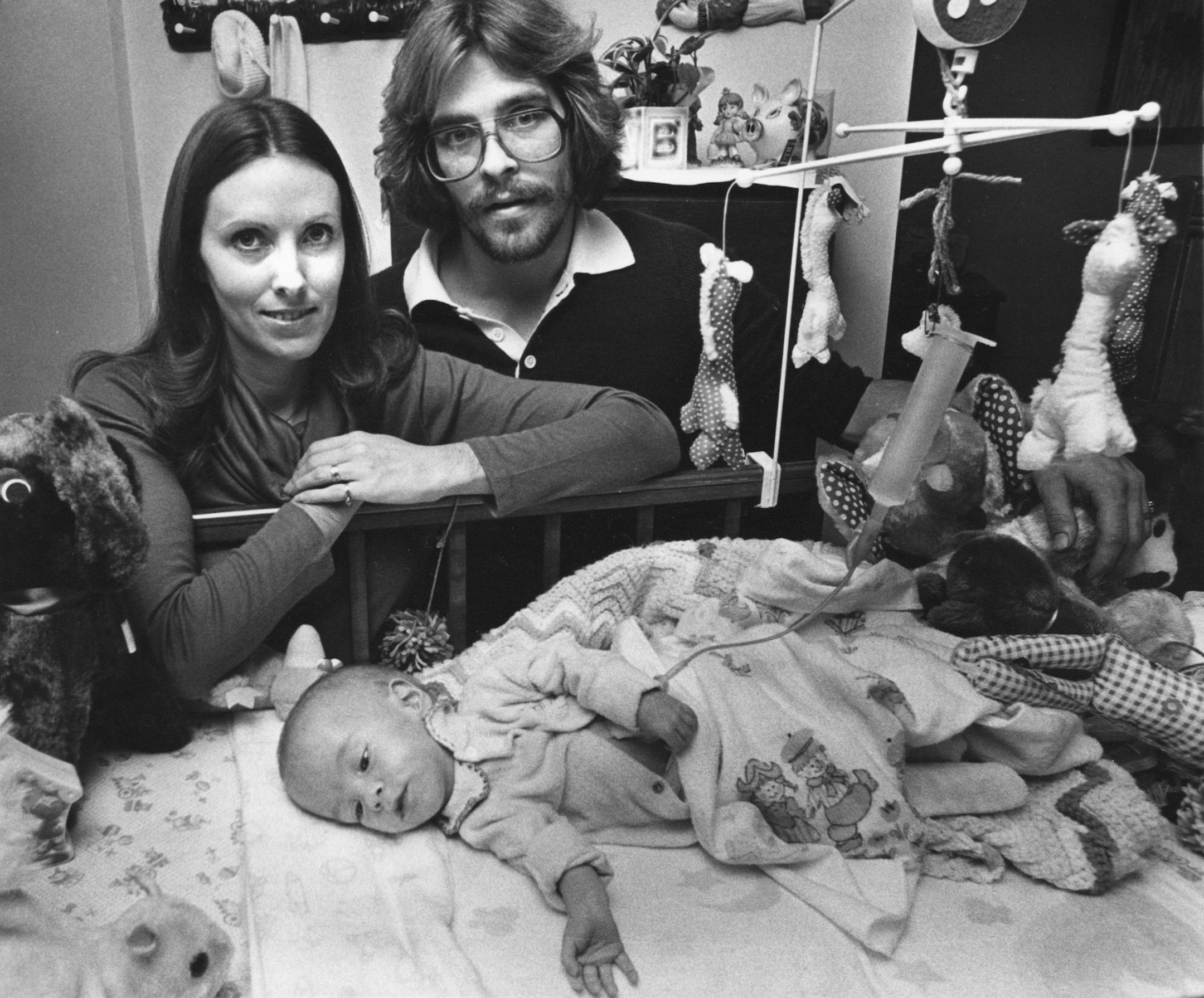
In the fall of 1978, Brenda and her husband were pictured on the front page of the old Minneapolis Star "with their dying daughter, Stephanie," as the caption read. At the time, Stephanie, their first child, was 7 1/2 months old. The story described her struggle with a mysterious ailment that left her severely brain damaged and barely clinging to life.
Doctors thought that a viral infection in the womb was to blame. But it would take two decades, and even more heartache, before the Helles (pronounced Hel-lees) learned that Stephanie has a rare genetic enzyme deficiency, known as CDG syndrome (CDG stands for congenital disorders of glycosylation).
"It is amazing that she did live through childhood, because the majority of children [with that condition] don't," her mother said. "I believe had she not had such a strong will to live and thrive, that she would not be here."