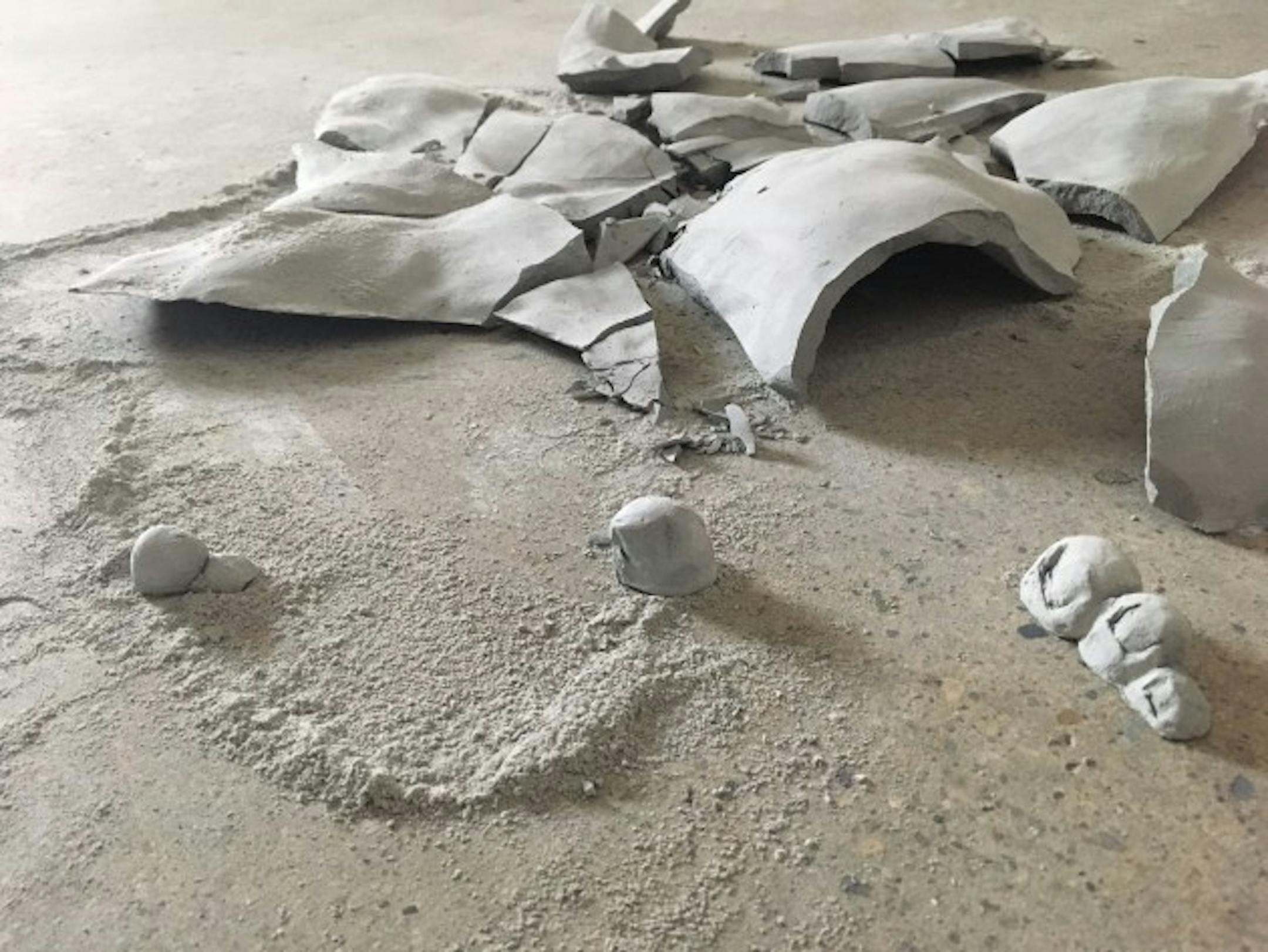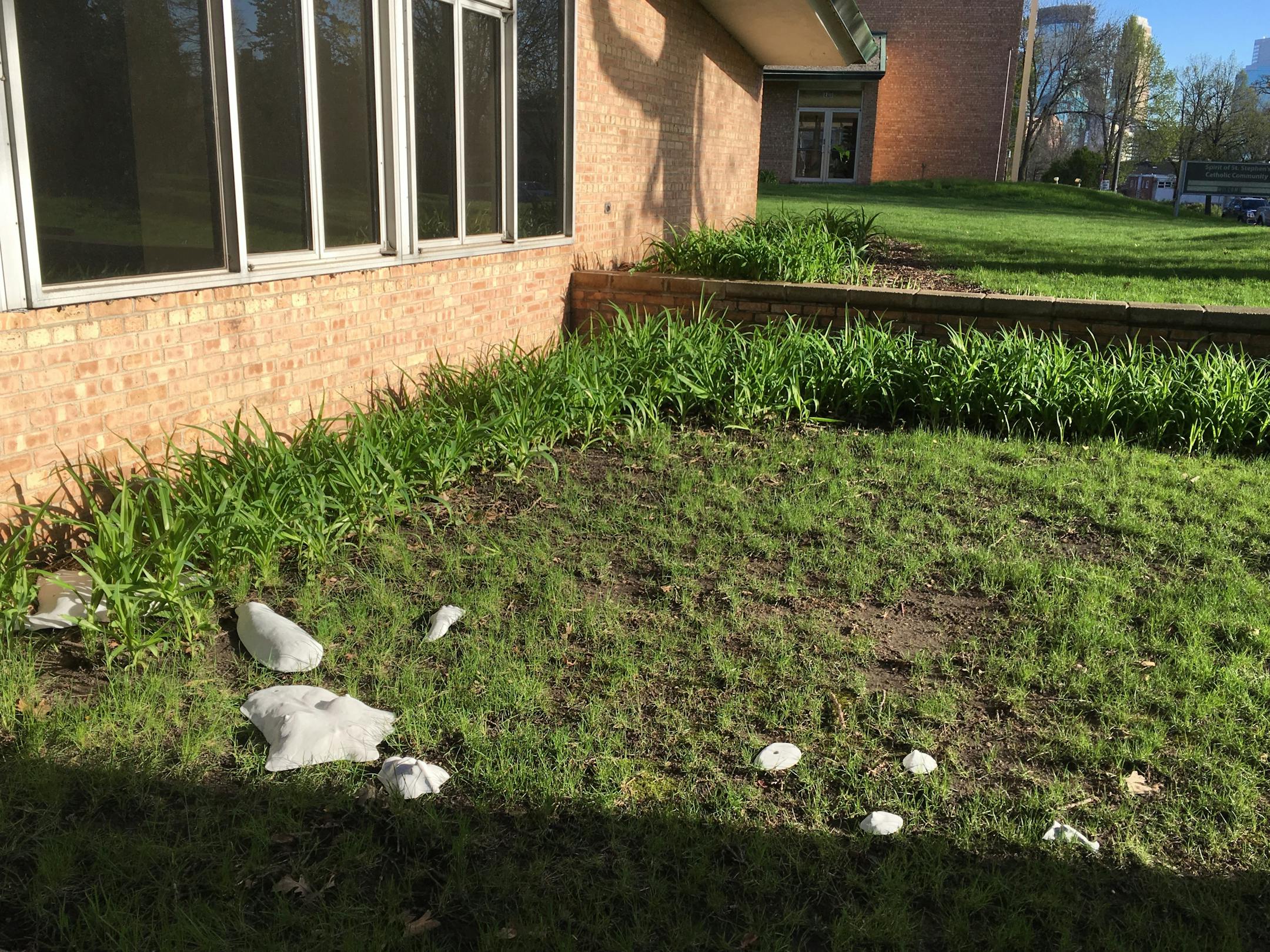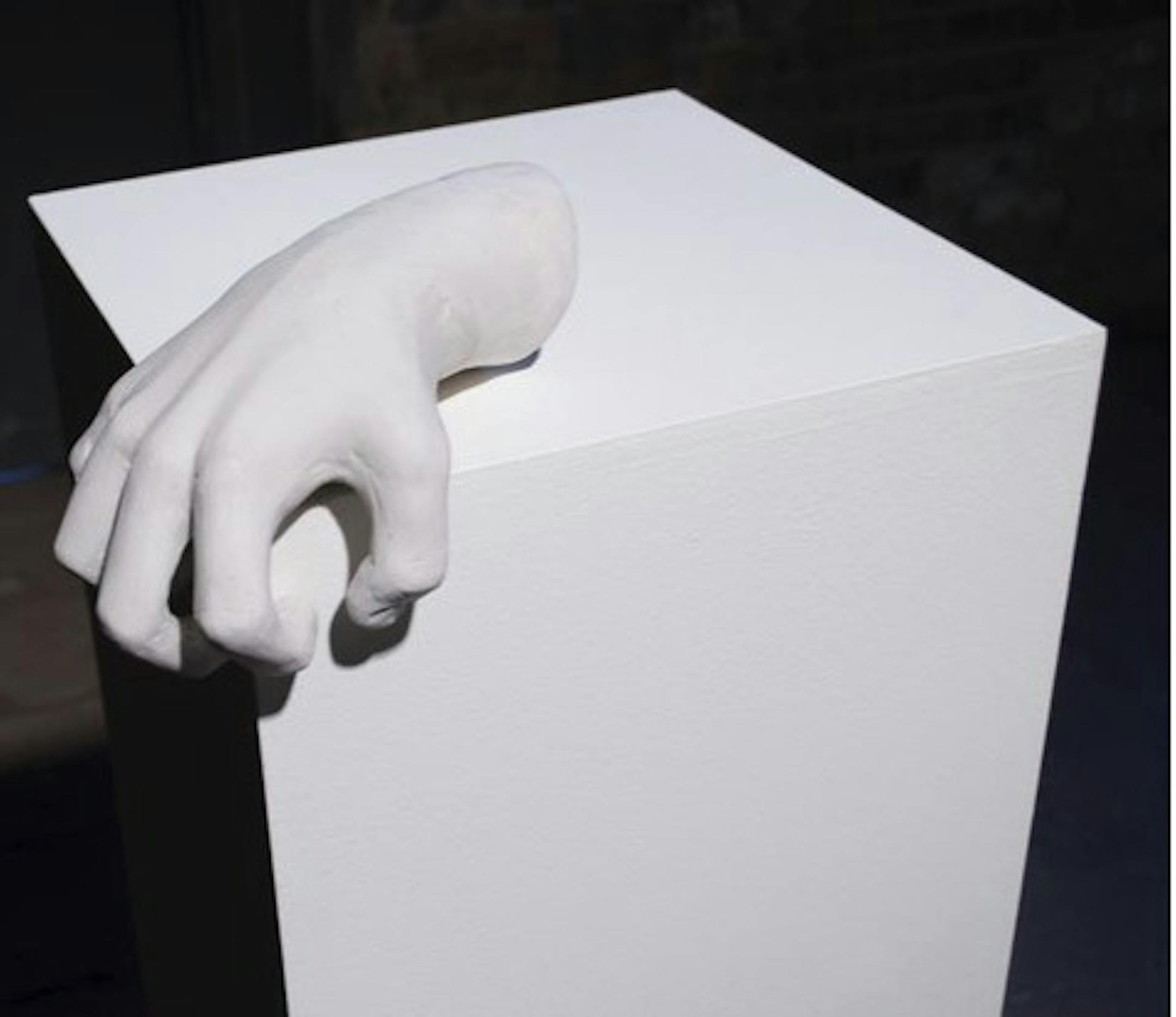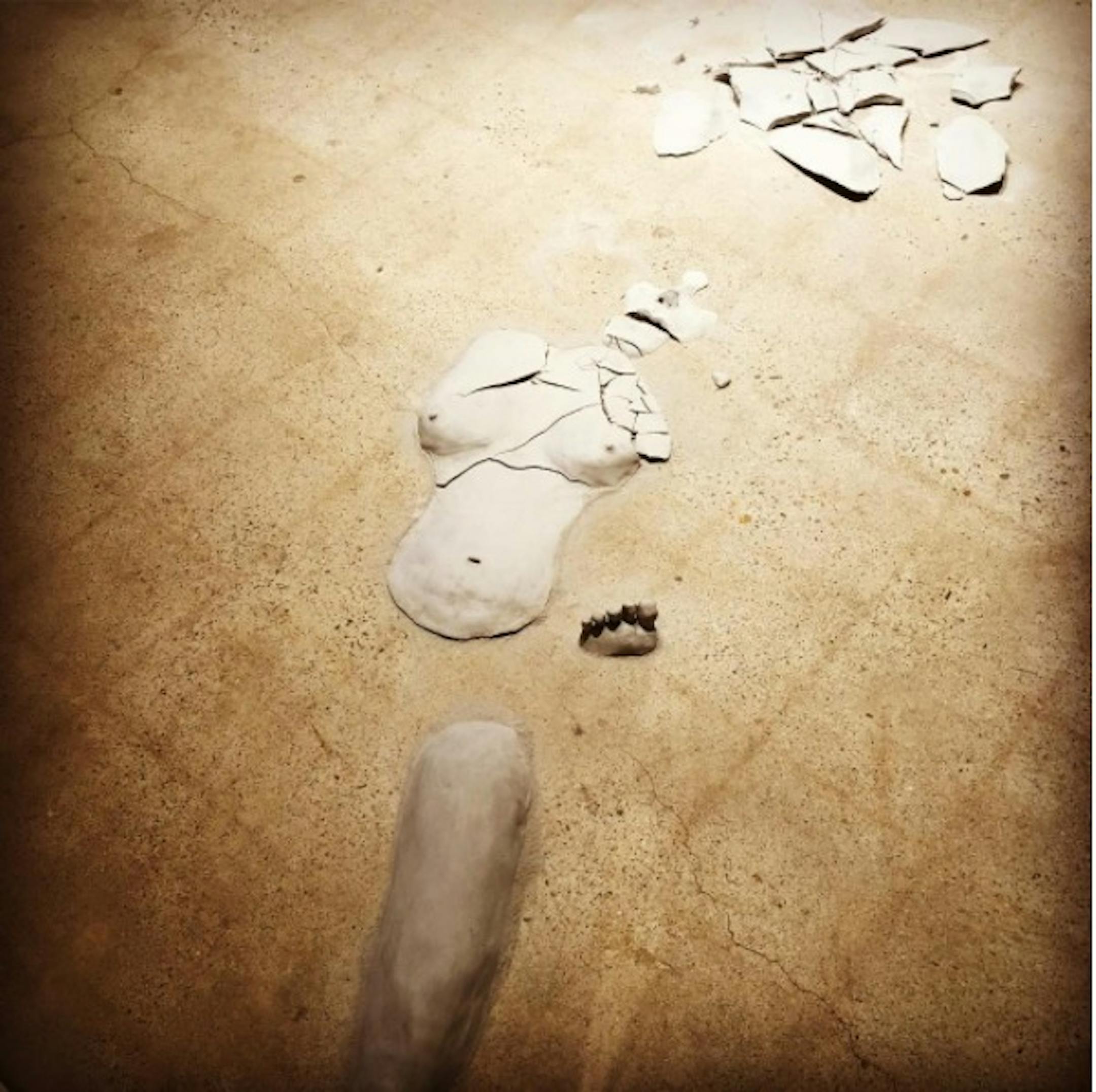
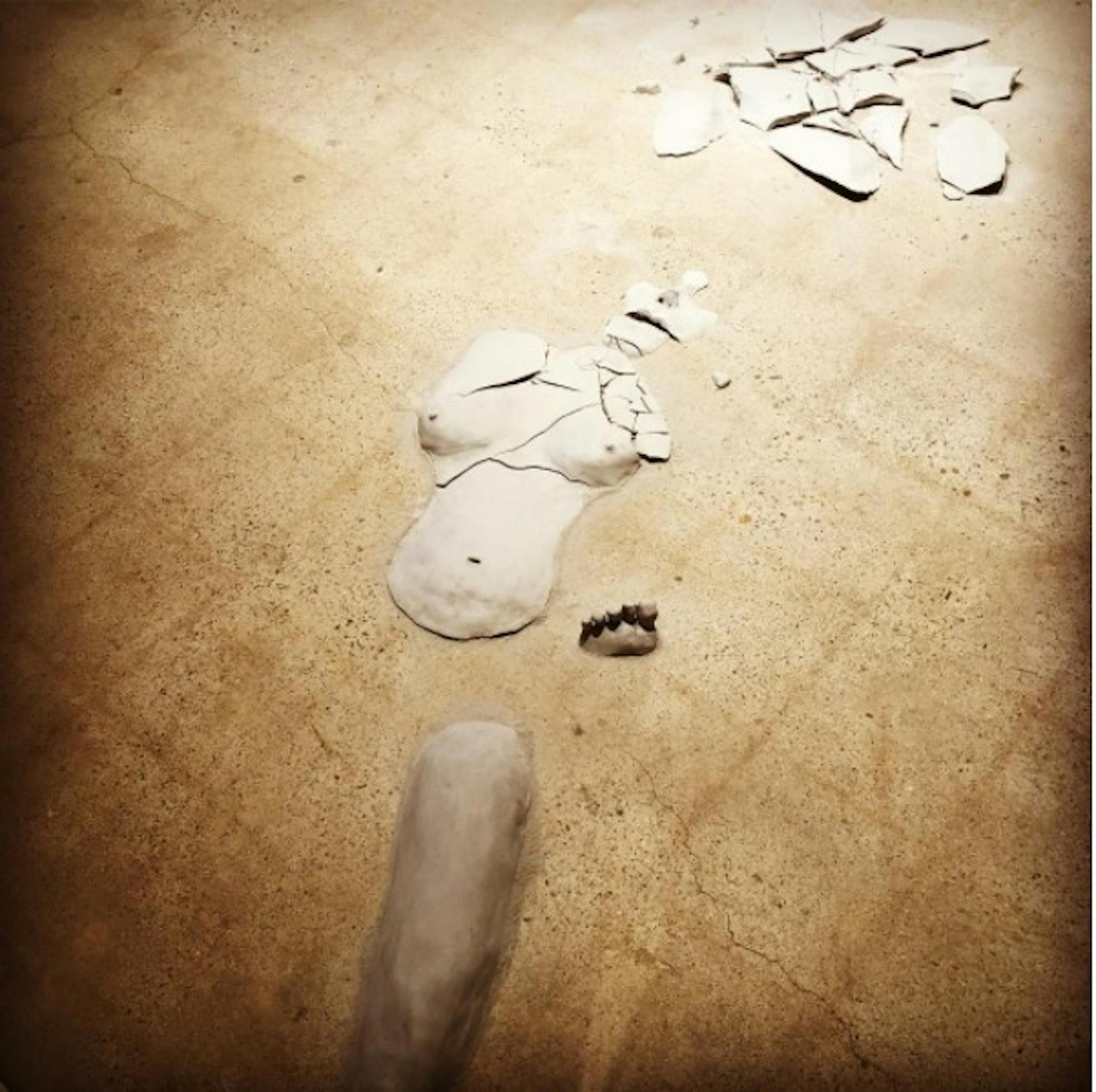
Photograph of Samatha Russell's "Lethe" (2017) by the author
MFA exhibitions are generally a cluster@$*#. Graduates race to finish their thesis, showcasing what it is they've done over the past two years – because yes, they've been working hard, not hardly working! -- all the while keeping in mind where they are going next. I like going to MFA exhibitions, not only for the rawness of the work I usually see, but to keep an eye out for who's up-and-coming.
I almost fell onto sculptor Samantha Russell's piece "Lethe" (2017) in part because there it was, emerging out of the tiled floor. It is a pieced-together, displaced female body made out of unfired clay. Positioned as if it were jutting out of the floor, or perhaps floating in the river, "Lethe" also references one of the five rivers of Hades, the river of forgetfulness. At once this could be a scene from "Twin Peaks" but it's also reminiscent of the mass graves of immigrants that were uncovered in 2015 in Texas just miles inland from the U.S.-Mexico border. It also nods to the normalization of both violence against women.
Curious to learn more about Lethe's work, I reached out to her about doing a studio visit in which we drink sparkling water and discuss her art. Being fabulous and worldly, turns out she was in Italy. So we emailed instead, while I drank sparkling water from my desk in the Twin Cities. I imagine she sipped wine in Italy, because when in Rome . . .
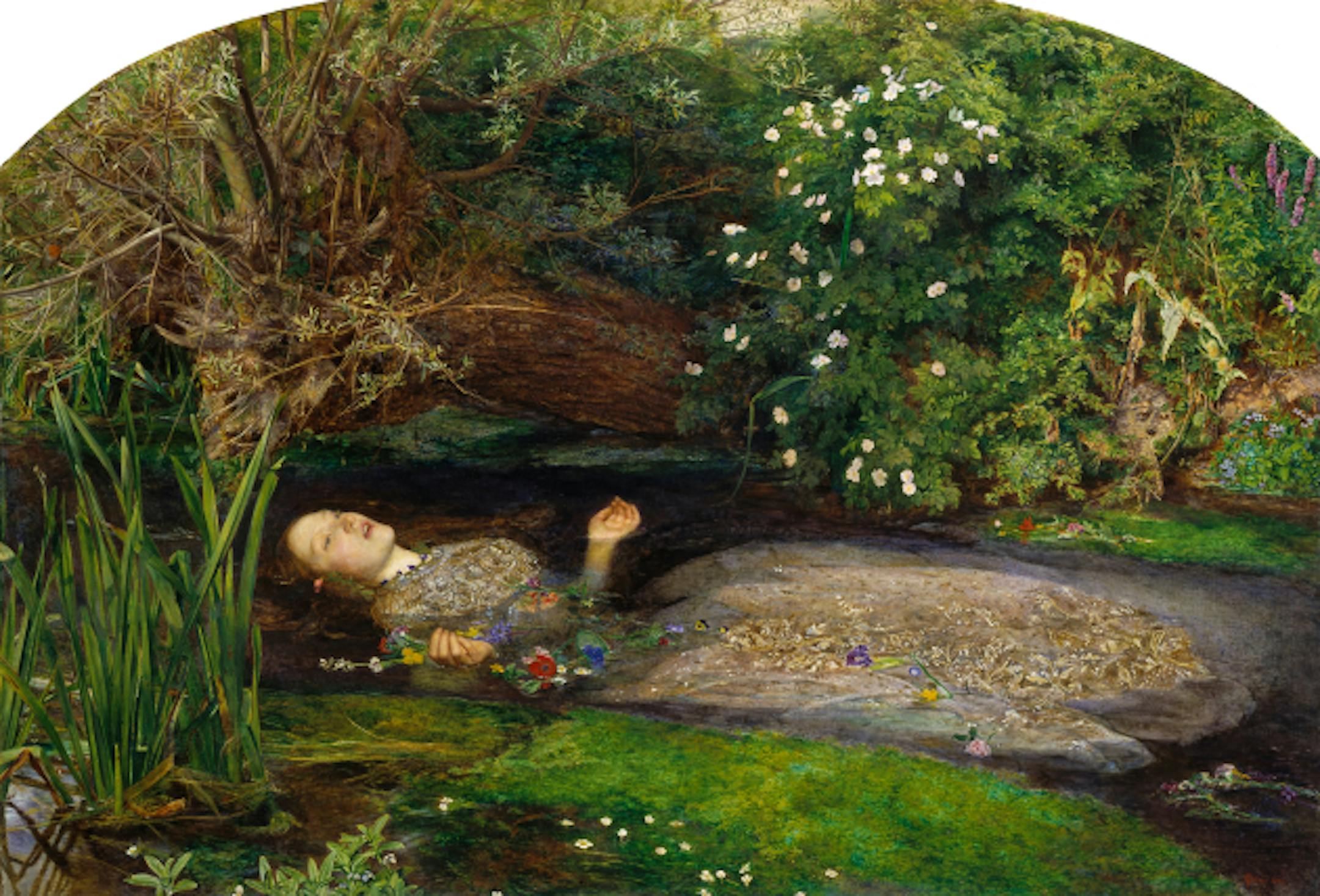
John Everett Millais' "Ophelia" (1851-2). Image via Wikimedia.
ALICIA ELER: Tell me about this piece! It's great. I know you're referencing one of the five rivers of Hades, and I was also thinking of Sir John Everett Millais' painting "Ophelia" (1851-2) . . . but I was also thinking of political overtones, specifically the bodies of immigrants that were found in unmarked graves at the U.S.- Texas border in 2015. What was going through your head as you made this piece?
SAMANTHA RUSSELL: I was thinking about loss of all kinds, but "Lethe" is specifically referencing personal loss. We lose people not only to death but to distance and time as well. After two deaths in the family within a very short time, I was thinking about a lot of people that were still alive but I had still lost. The idea of immigration has been in my mind, and how could it not right now, however those losses have manifested themselves into another project that I will be starting soon.
AE: I notice that you are working mostly with clay – is it unfired? What drew you to that material?