President Donald Trump's announcement that he planned to impose steep tariffs on imported steel and aluminum delighted some blue-collar industries he had championed. "Enthusiastic and gratified are probably understatements," said Michael A. Bless, the president of Century Aluminum.
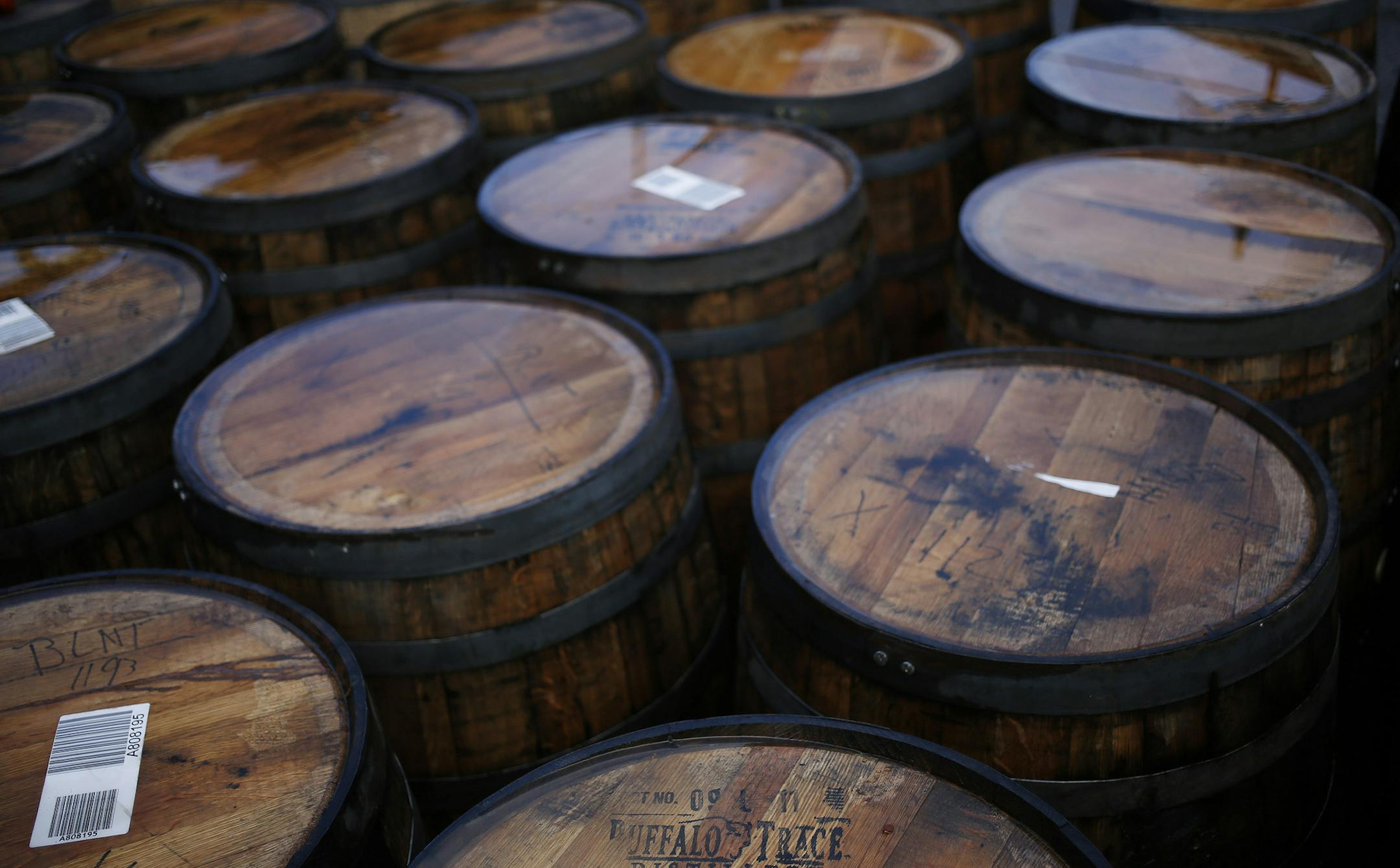
Behemoth steel buyers like Boeing and General Motors weren't as pleased. Their shares fell on the news, and the most obvious aluminum dependents — the brewing giants Anheuser-Busch and MillerCoors — warned about the risk of job losses.
But it is people like H.O. Woltz III who feel most vulnerable.
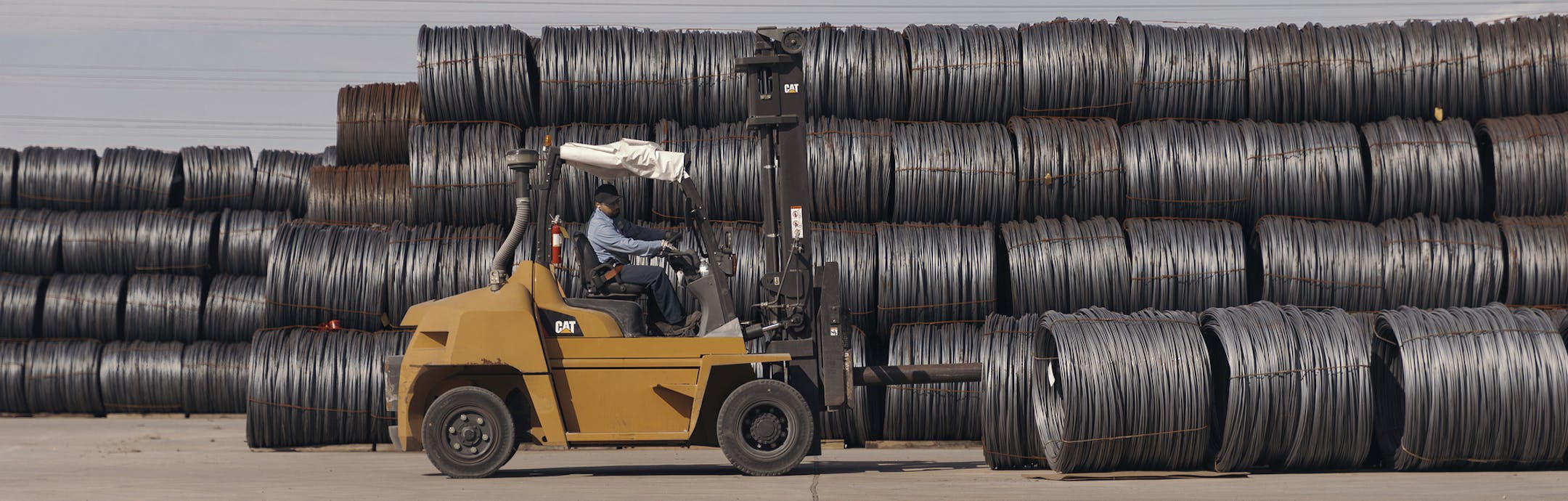
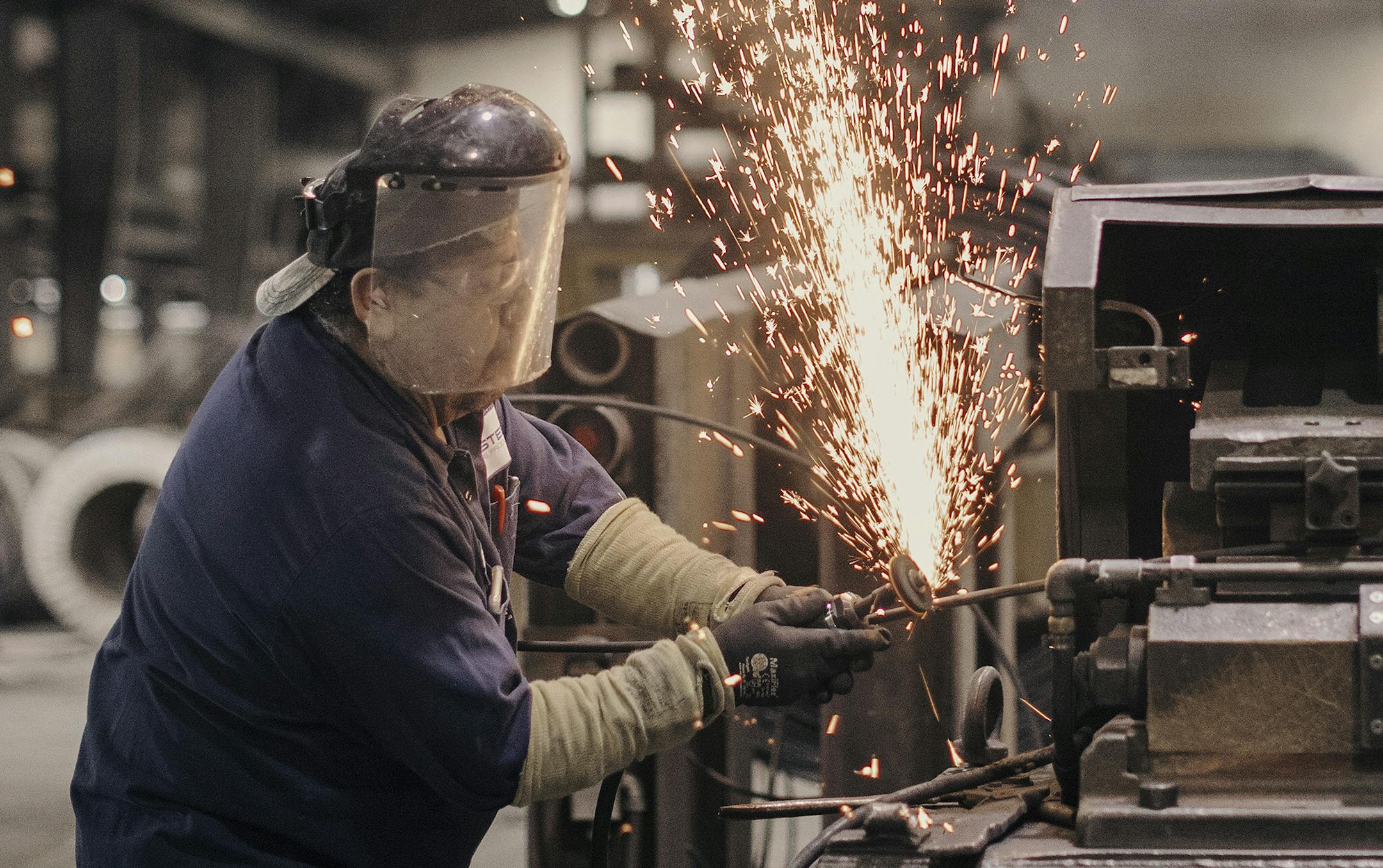
Woltz is the chairman and chief executive of Insteel Industries, which operates 10 plants from Arizona to Pennsylvania producing steel wire products for concrete reinforcing. He has about 1,000 workers, most without college degrees.
"The jobs that we have are good jobs," Woltz said. "Our guys make a lot of money."
Now his business calculus is being upended. A levy on imports also allows domestic steel and aluminum producers to charge higher prices, affecting manufacturers across the United States.
As industrial America sorts out the tariffs' prospective impact, one thing is clear: The divide between the metal producers and their customers slices directly through Trump's blue-collar constituency.
Trump argues that free trade has hollowed out America's industrial base and saddled the country with huge trade deficits. He has promised to recover lost ground with an "America first" trade policy.