

Listen and subscribe to our podcast: Via Apple Podcasts | Spotify | Stitcher
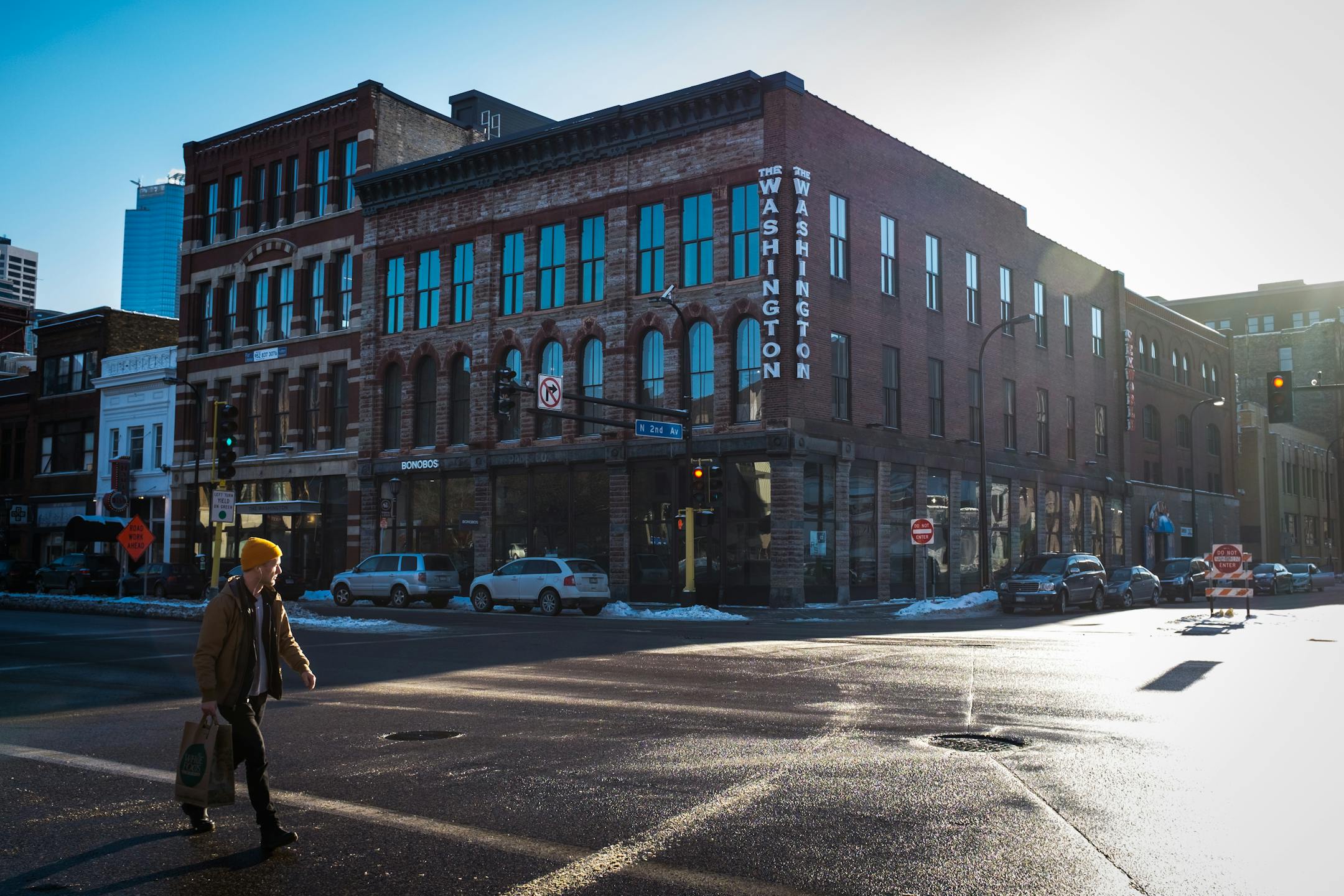
The North Loop neighborhood, once a major manufacturing hub near downtown Minneapolis, has transformed into one of the city's most popular residential and entertainment destinations.
Drew Cove and a friend who lives in the neighborhood were at Fulton Brewing's taproom and started discussing how the North Loop got its name. "A loop" doesn't seem to appear anywhere in the area, so it bugged Cove for a long time, he said.
"I'm a big history and geography buff. I did some research, but couldn't find a definitive answer," he said.
Cove turned to Curious Minnesota, the Star Tribune's community reporting project fueled by great questions from inquisitive readers.
The term "Loop" originated in 1891 when the newly formed Twin City Rapid Transit required all streetcars serving downtown Minneapolis to travel a loop on Washington Avenue, 1st Avenue S. (now Marquette Avenue) and High Street (where the Main Post Office is today) and Hennepin Avenue to reach a central transfer station on Hennepin at 1st Street.
The Loop was created as part of a larger effort to institute a system of free transfers between streetcars, said Aaron Isaacs, who co-wrote the book "Twin Cities by Trolley" and oversees the Minnesota Streetcar Museum. Previously, passengers had to pay a new fare any time they transferred from one streetcar to another. This was a windfall for the streetcar company but the public hated it, he said.
In the mid-1880s both city councils passed free transfer ordinances, which the streetcar company stonewalled until 1891. Trying to minimize lost revenue and discourage transfer abuse, Twin City Rapid Transit created a Byzantine procedure which ultimately didn't work, said Isaacs.


