

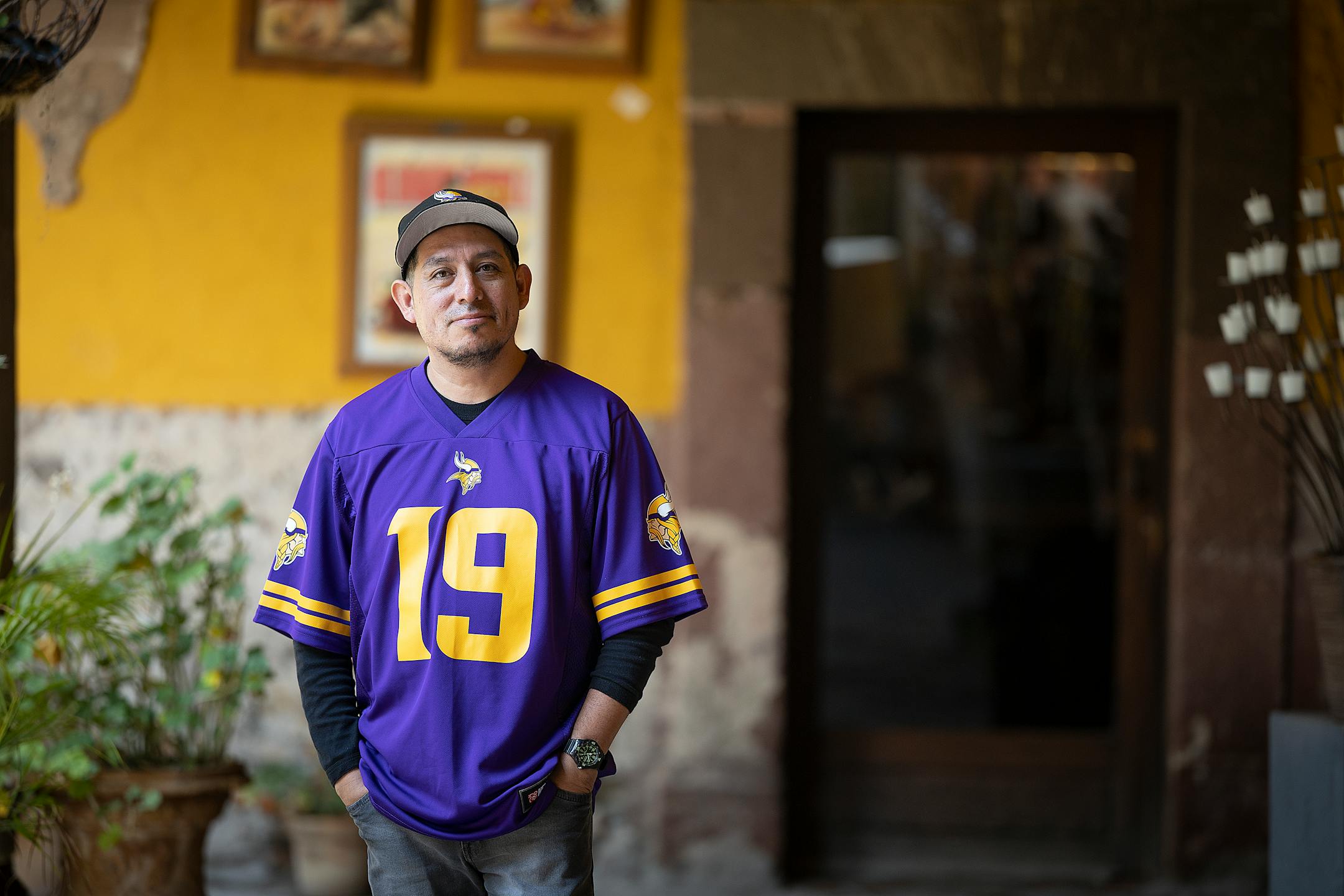
SALVATIERRA, MEXICO — When the hog slaughterhouse closed in Windom, Minn., last spring, Adrian Luna hopped in his Kia Sorento, the car he bought with American wages. It would take him nearly 2,000 miles south, out of the Minnesota prairie, across the southern plains, over the U.S. border and into this agave-studded valley of Mexico that he calls home.
After embracing his family, Luna went straight to Our Lady of Light, the stone church overlooking the town’s leafy plaza. Legend has it that the 18th-century baroque structure, with soaring twin bell towers, was built by order of a local man after witnessing a Virgin Mary painting burst into light.
There, in the presence of the miraculous, Luna knelt and prayed. “To give thanks for returning safely,” the 42-year-old said.
He then began looking for work.
When the HyLife pork plant in Windom shuttered a year ago, declaring bankruptcy and laying off 1,000 people, the plant’s hundreds of guest workers faced a distressing choose-your-own-adventure scenario: stay in the U.S. illegally, gain a new visa or temporary legal status, or return to Mexico.
One year later, HyLife workers are scattered in a loosely tethered, continent-wide diaspora scrambling for new work. Some are still picking up the pieces; others are working to regain the financial and professional footing they’d found with the hog plant in western Minnesota.
The plant, like many others, served as a nexus for modern agriculture’s global web. Manitoba-based HyLife bought hogs raised on Midwest farms that were slaughtered by migrant labor, delivering pork to consumers in Tokyo, Toronto and Beijing.
For HyLife workers, the abrupt end of their American dreams left many with half-finished plans: sending kids to college, building homes, supporting aging relatives.



