When the pandemic came for Georgia, Lauren Rymer had to make a snap choice: her mother's safety or what she believed was best for her young child.
She locked down her family for the better part of last year, living with her mother, Sharon Mooneyhan, who has multiple sclerosis, and protecting her by keeping her son Jack, 5, out of kindergarten to avoid routine household exposure to COVID.
"I didn't want my mom to miss out on being with her only grandchild," Rymer said.
So school was scrapped for mushroom hunts in the forest between her work Zoom calls, Legos and an intergenerational exploration of a backyard chicken coop. The upside was that she and her mother would not have to live in fear of a life-ending snuggle at bedtime.
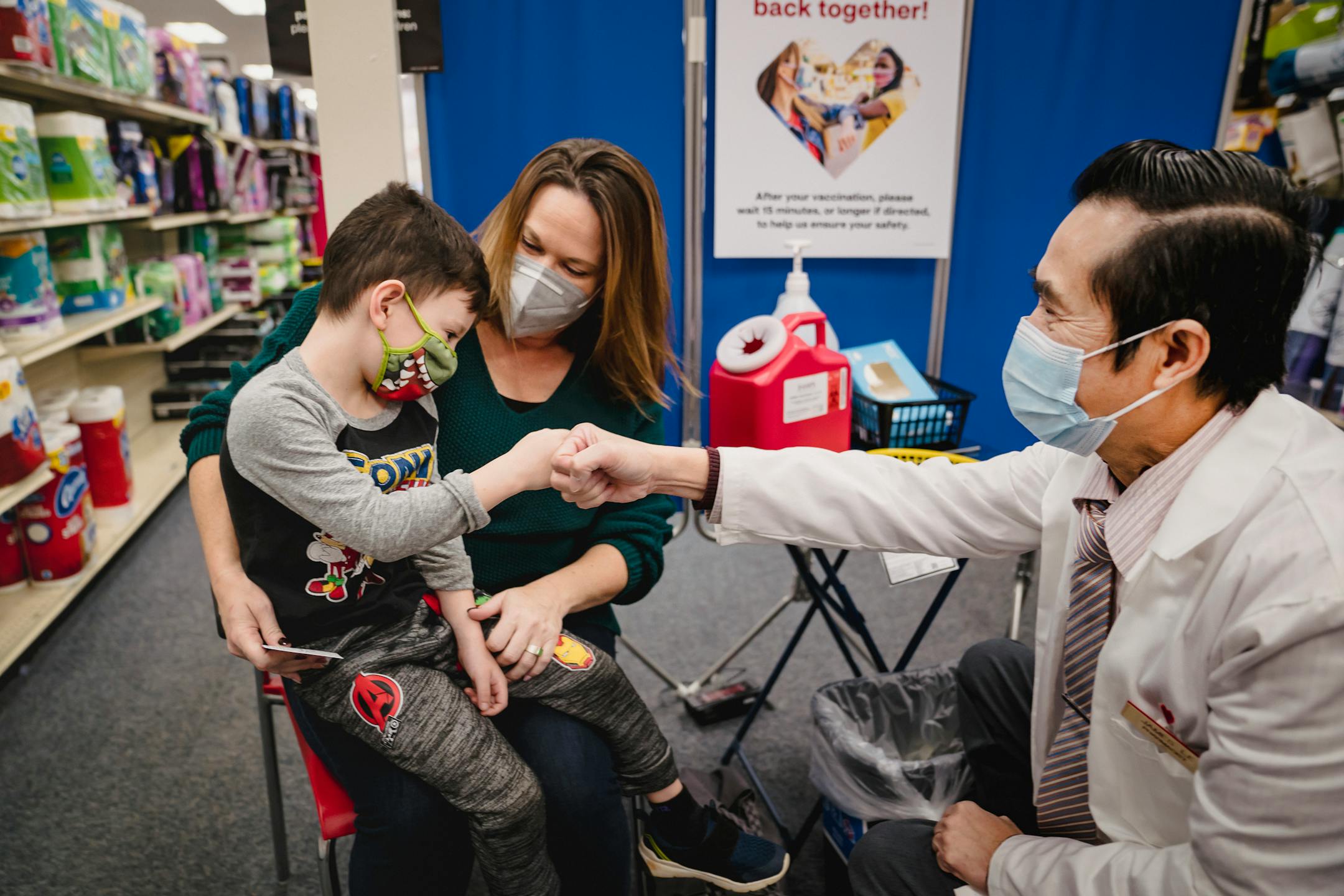
Last week, Jack, now 6, donned a superhero costume and hit the local CVS in Lawrenceville, Georgia, to get a COVID shot, his first step toward a return to school and a full life beyond their suburban Atlanta home.
"This vaccine is much bigger than a shot in the arm," Rymer said. "It's a huge weight off my shoulders."
Millions of American parents have spent the better part of the last two years anxiously viewing their youngest family members through a dual lens: as the small souls crushed by the isolation of lockdowns or periodic quarantines and also as potentially fearsome vectors of infection dwelling in their midst. With another wave of COVID sweeping through parts of the country, the worry has not subsided altogether for so many families.
But for some, like the Rymers, finally getting children vaccinated this past month put a major piece of a protection puzzle in place for severely vulnerable adults who are immunocompromised, fighting cancer or coping with other diseases. That sense of relief has intensified with the holiday season here and all the trimmings and trepidation that accompany this year's family gatherings.