

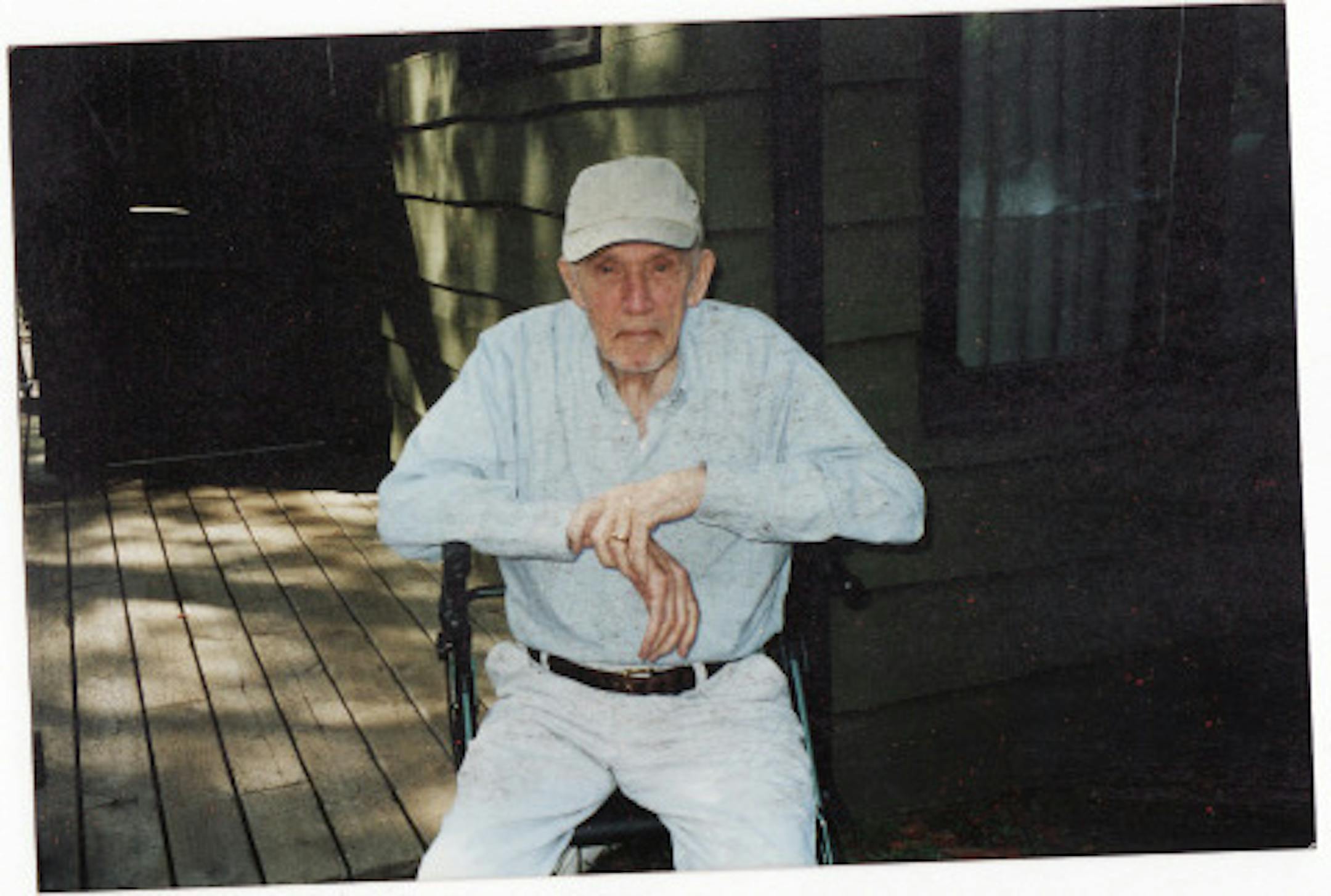
When Dr. Jack Vennes of Minnetonka, a gastroenterologist and retired professor for the University of Minnesota School of Medicine, brought back new technology and skills from Japan around 1970, his first thought was to share it with other doctors and educators.
Vennes, who helped develop an imaging procedure at the University of Minnesota and became an authority on it, died Tuesday in St. Louis Park. The longtime Bloomington resident was 84.
"He did more to teach and develop the technique of endoscopic retrograde cholangiopancreatography in the United States than any other one individual," according to a School of Medicine statement.
The procedure, developed by Vennes and Dr. Stephen Silvis, enables physicians to see the bile duct from the liver and the pancreatic ducts, helping in the study of diseases of the pancreas. It offers some treatment of pancreatic cancer. It also allows the diagnosis and cure for bile duct stones.
"The first thing he wanted to do when he returned was to educate physicians and teachers," said Dr. Roger Gebhard, a university professor. "Jack was probably the model educator in gastroenterology in the state of Minnesota. He was a low-key person who had extraordinary procedural skills."
Vennes, who grew up on a dairy farm in Wheeler, Wis., piloted a Navy Avenger torpedo plane over the Pacific during World War II.
In 1947, he got his bachelor's degree at the University of Minnesota and graduated from its medical school in 1951.
Vennes had a private practice in St. Louis Park and began teaching at the university in the mid-1950s, becoming a full professor of medicine in 1976.


