

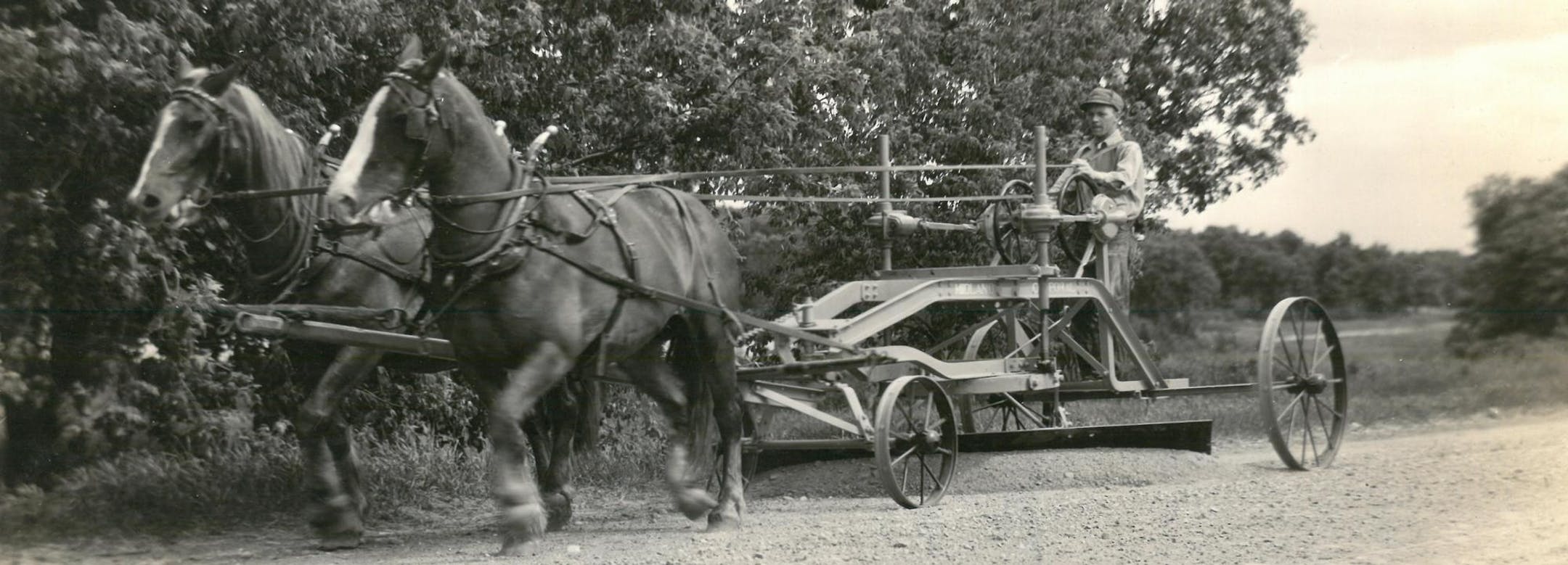
Before the National Sports Center came to town, before sprawling housing developments rose on the landscape, before the sod farms had taken root, early settlers such as Greenberry Chambers, a former Kentucky slave, worked to make a life on the sandy plains of Blaine.
Few know about the north metro city's past, and that's partly because no detailed history of it exists in a cohesive format, said Orville Lindquist, president of the Blaine Historical Society.
So a small group of residents with the historical society have been sifting through heaps of documents and photos to piece together Blaine's back story. After seven years of work, they're ready to publish their findings in a book later this year and are looking for funding help from the city — anywhere from $16,000 to about $24,000, depending on the number of copies printed.
City officials already have set aside $10,000 for the project's completion and are now weighing whether to pitch in more funds.
Blaine may not have storied brick buildings with fancy architecture, but there's plenty of history to dig into, Lindquist said.
"We want to be sure there's a record and that people know where they came from," said Lindquist, 47, who has spearheaded the project alongside Karen Klinkenberg, the historical society's vice president.
The book won't be so much a definitive text as a starting point to build on, from Blaine's pioneer days as a township to its modern story of rapid growth, which has propelled the suburb to become Anoka County's biggest city with a population of 63,000.
For years, Lindquist and Klinkenberg have gathered at coffee shops and Klinkenberg's home, poring over papers and images for hours at a time, sorting through items to include in the book.


