

The 1970s are remembered as the dismal decade. Times were tough, all right. The average teenager didn't have a credit card, and a lot of families made do with one car. On the other hand, college was affordable, and people of every age and political stripe celebrated Earth Day on the assumption that fossil fuels were on their way out. We would adapt. It would be tough but not impossible. And besides, wouldn't everyone trade plentiful gas for clean air and a safer world?
Not everyone, it turns out. Americans drank the supply-side Kool-Aid that said we could have it both ways. The pendulum swing from a conservative attitude toward environmental protection to a vastly more liberal one bought the energy and agribusiness cartels the time they needed to mess up the environment permanently. It took just four decades.
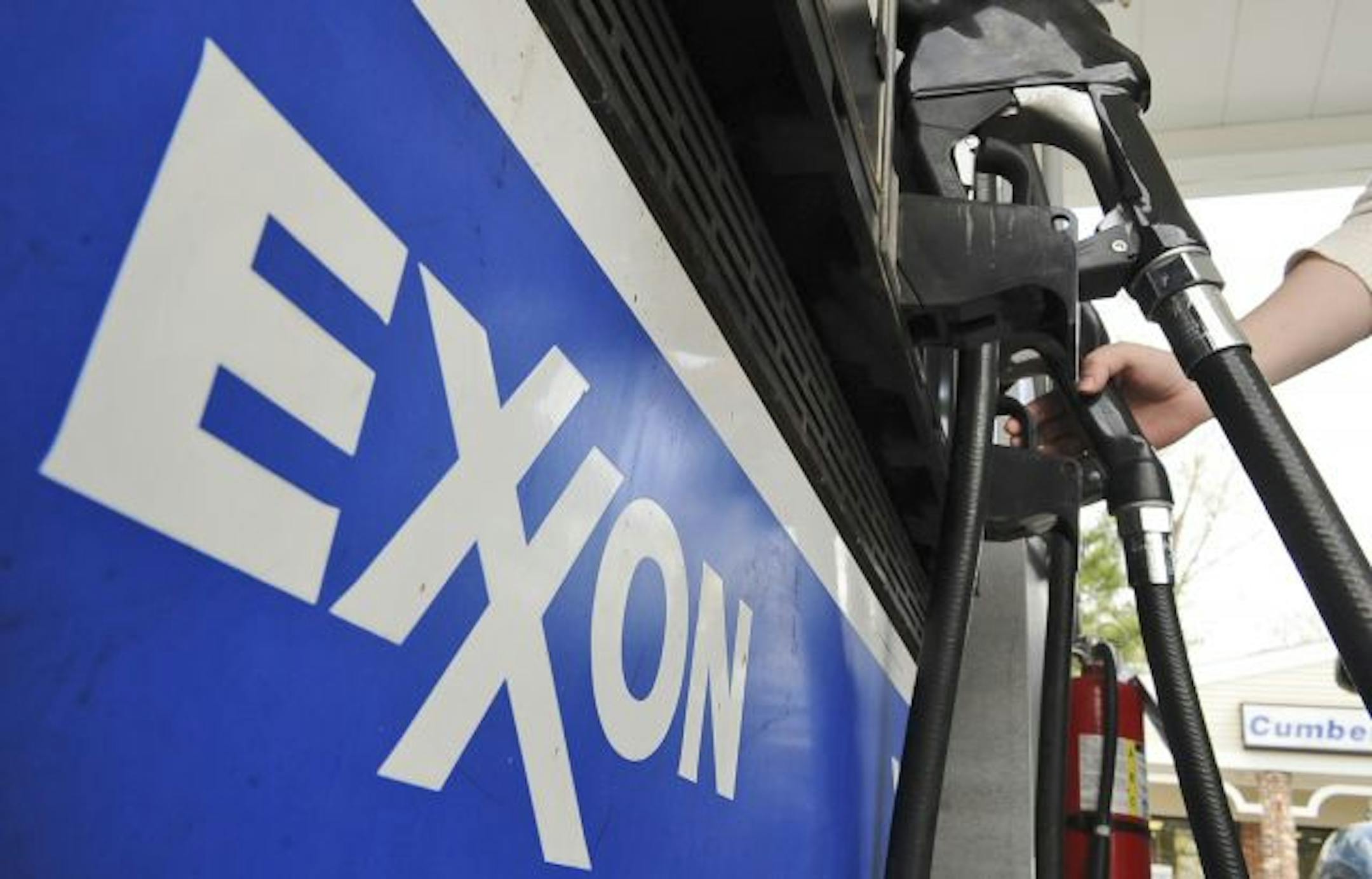
Exxon Mobil, the same company that has spent millions debunking global warming, is now denying its own denial. CEO Rex Tillerson calmly informed the Council on Foreign Relations in New York on Wednesday that climate change is real. Always has been. Anyone noticed the crazy weather we've been having?
It is not, however, the real peril, he added. Nor is the real threat the normal knee-jerk Republican whipping boys such as government restrictions on deep-water drilling, or a carbon tax to depress sales of petroleum products, or an end to the subsidies for corn and soybean producers and Big Oil. Tillerson explained that because oil is priced globally, even drilling in the Arctic National Wildlife Refuge won't lower prices at U.S. pumps -- especially not when you have speculators (whose existence he also admitted for the first time), supervised by the likes of Goldman Sachs, taking a 30 to 40 percent cut from every barrel sold.
Climate change apparently isn't dangerous at all. What's truly reckless and job-killing, Tillerson warned through his wire-rimmed bifocals, is "bad science."
He was referring, I think, to the science that he is also now denying he ever denied. Good science sees climate change as "an engineering problem [that] has an engineering solution." This solution Tillerson describes as a series of "adaptations." What exactly are those? According to an engineer who admits to being skeptical about this strategy and who has a relative employed at one of Exxon Mobil's U.S. plants, the energy giant is conducting "back-room experiments" with biodiesel and algae farming and possibly even geo-engineering as part of its "long-range business plan."
In other words, we're working on the problem, and we'll let you know when our innovative line of green products is available at your local Exxon Mobil station. Until then, consider yourself clueless and impotent -- oh, and also a pain in the ass if you express the slightest concern about that tree that fell on your house or the ozone in the air you are not supposed to breathe in too deeply lest your lungs suffer respiratory sunburn.
"So I guess you're betting that the geeks will pull a rabbit out of their collective test tubes," I said to a guy I ran into at a holiday party who works in the food industry. We'd been chatting about the Tillerson turnaround on climate.


