

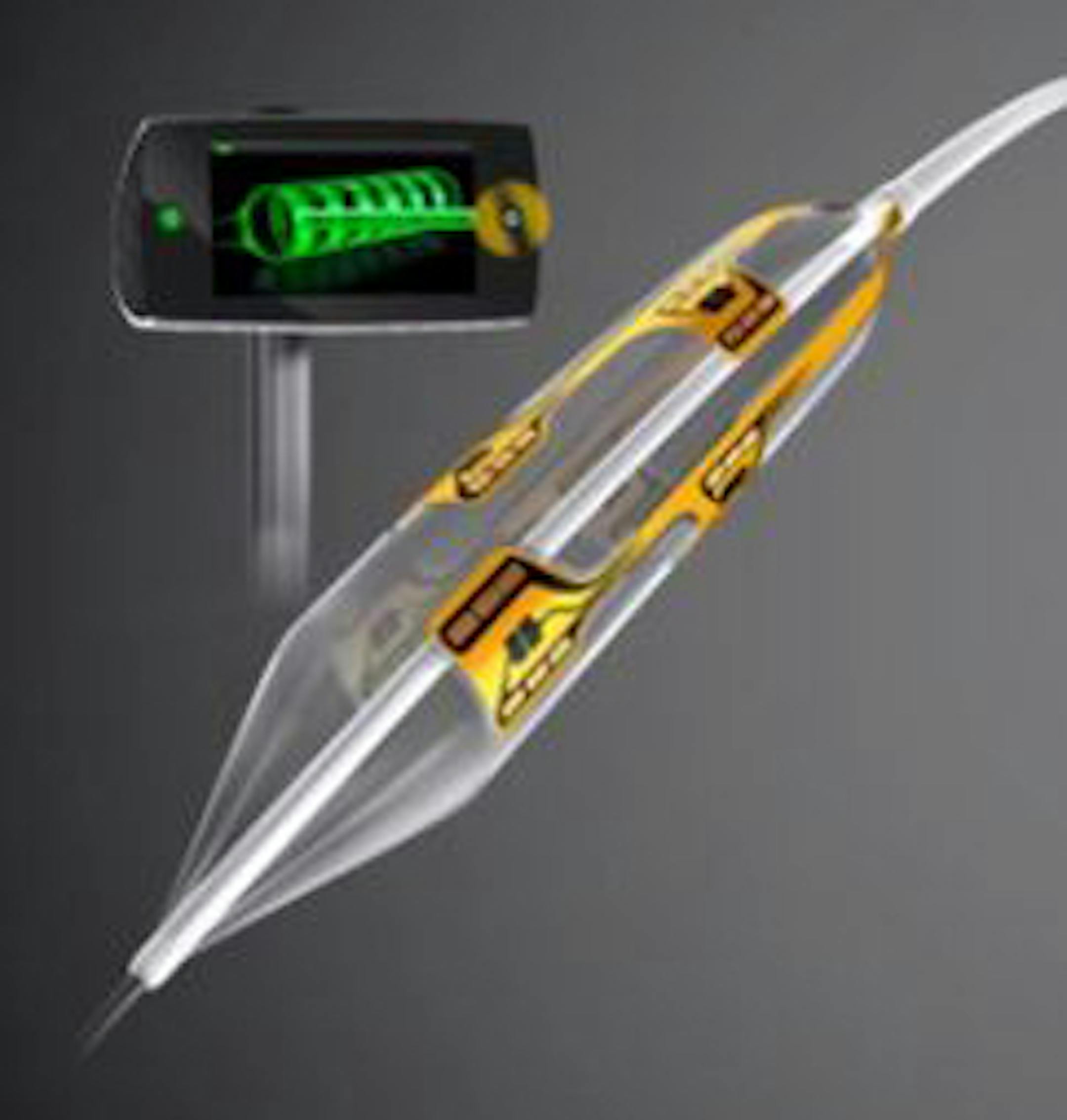
Some of the biggest medical-device companies in the world are convinced that burning away nerves leading to the kidneys can cut dangerously high blood pressure in ways prescription drugs can't.
Renal denervation is a therapy many years in the making. Billions in profits may stand to be made, and tens of thousands of patients wait to get a minimally invasive treatment to address a major underlying cause of deadly stroke and heart failure. All three major device companies in Minnesota have devices in the works.
Now, the companies just need the scientific evidence that the therapy actually works.
Seventy million Americans have high blood pressure, but the subset who have severe hypertension that doesn't drop with drug therapy or lifestyle changes is not well-defined. Some doctors are skeptical that denervating renal arteries will make a meaningful dent in the patient population. But physicians nevertheless welcomed the news that the quest for a new hypertension therapy passed a milestone this month, with Boston Scientific Corp. enrolling its first patient in a randomized trial of its Vessix system.
The company's peripheral interventions unit in Maple Grove aims to produce the United States' first data from a randomized, blinded trial since last spring. That was when a similar study by Medtronic failed to prove the benefits of the therapy, which had shown so much promise in less-rigorous testing that it drove corporate acquisitions before the Food and Drug Administration greenlighted commercial sales.
"At least 20 companies worldwide and in the United States were pursing this, and they all pulled back after the randomized trial failed," said Dr. Randy Zusman, a Harvard associate professor and director of the hypertension division at Massachusetts General Hospital in Boston. "They saw it as a terrible defeat, and stopped all of their in-progress trials and planning for trials and really retrenched."
In the year since, Ireland-based Medtronic and Massachusetts-based Boston Scientific — both of which employ several thousand Minnesotans — say they've done extensive consulting with the clinical and regulatory community and have recently received permission from the FDA to start new controlled, blinded clinical trials.
"We've just seen this work. So we believe it, and now we just have to find the right way to prove it," Jeff Mirviss, president of Boston Scientific's peripheral intervention division, said in an interview. Enrolling the first patient "was an important milestone just to put a stake in the ground, that renal denervation is back."


