

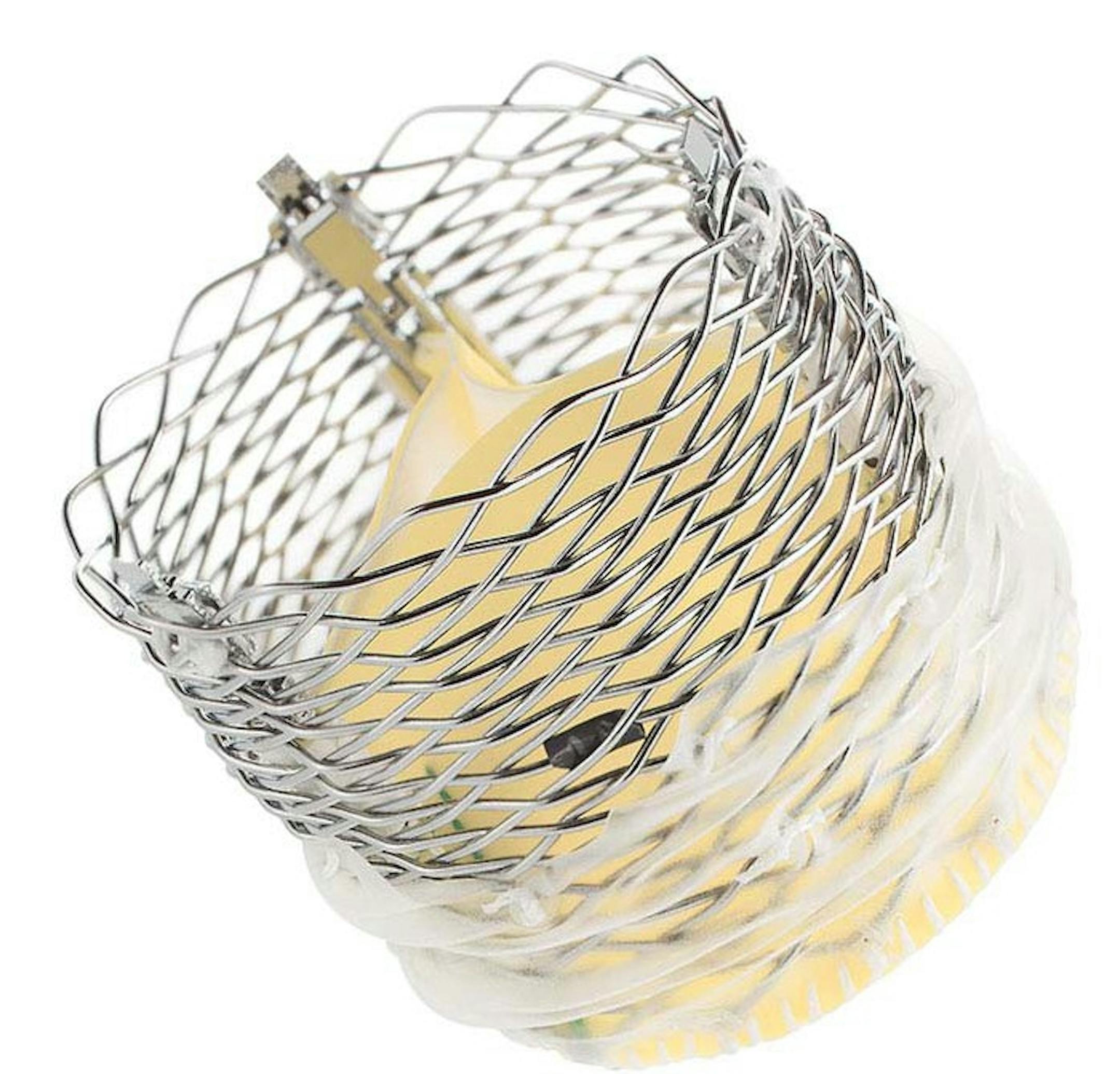
In a closely watched clinical trial, Boston Scientific's promising-but-delayed Lotus heart valve performed well in a head-to-head study comparing it with a popular device from Medtronic, according to data presented Tuesday at an industry conference in Paris.
The international, randomized controlled trial, funded by Boston Scientific, found that high-risk aortic stenosis patients who got the experimental Lotus device had a lower combined rate of death, disabling stroke and valvular leakage one year after the device was implanted than patients who got a version of Medtronic's CoreValve device.
In particular, the rate of leakage around the edges of the Lotus valve was significantly lower, as was the rate of disabling stroke after one year. But the Lotus device showed a much higher rate of patients needing a pacemaker within 30 days of the valve implant.
The positive results for the Lotus device drew praise from stock analysts Tuesday, who said the results should portend well for Boston Scientific as the company works toward Food and Drug Administration approval for the heart device late in 2017, and commercial launch by mid-2018. The device was pulled off the European market earlier this year, and the U.S. launch was pushed back, because of glitches with how the doctor deploys it inside the heart.
Medtronic, which did not directly participate in the study, raised some doubt about the findings.
A Medtronic spokesman noted that the study used a first-generation version of Medtronic's minimally invasive aortic valve, not the latest iteration that benefits from design improvements. Tuesday's findings were not consistent with results reported in Medtronic's own pivotal trials for its CoreValve devices.
Traditional aortic replacement heart valves are permanent, inflexible mechanical devices. The newer "transcatheter" versions fold up into a long catheter the size of a drinking straw that is inserted into a major blood vessel, often the femoral artery in the leg, and advanced to the heart using live motion X-rays. The recovery time is supposed to be shorter, and the device prices higher.
Transcatheter valves are expected to make up a $5 billion global market by 2021. They are mainly used in patients with severe aortic stenosis now, though sales could grow as usage spreads among less-sick patients.


