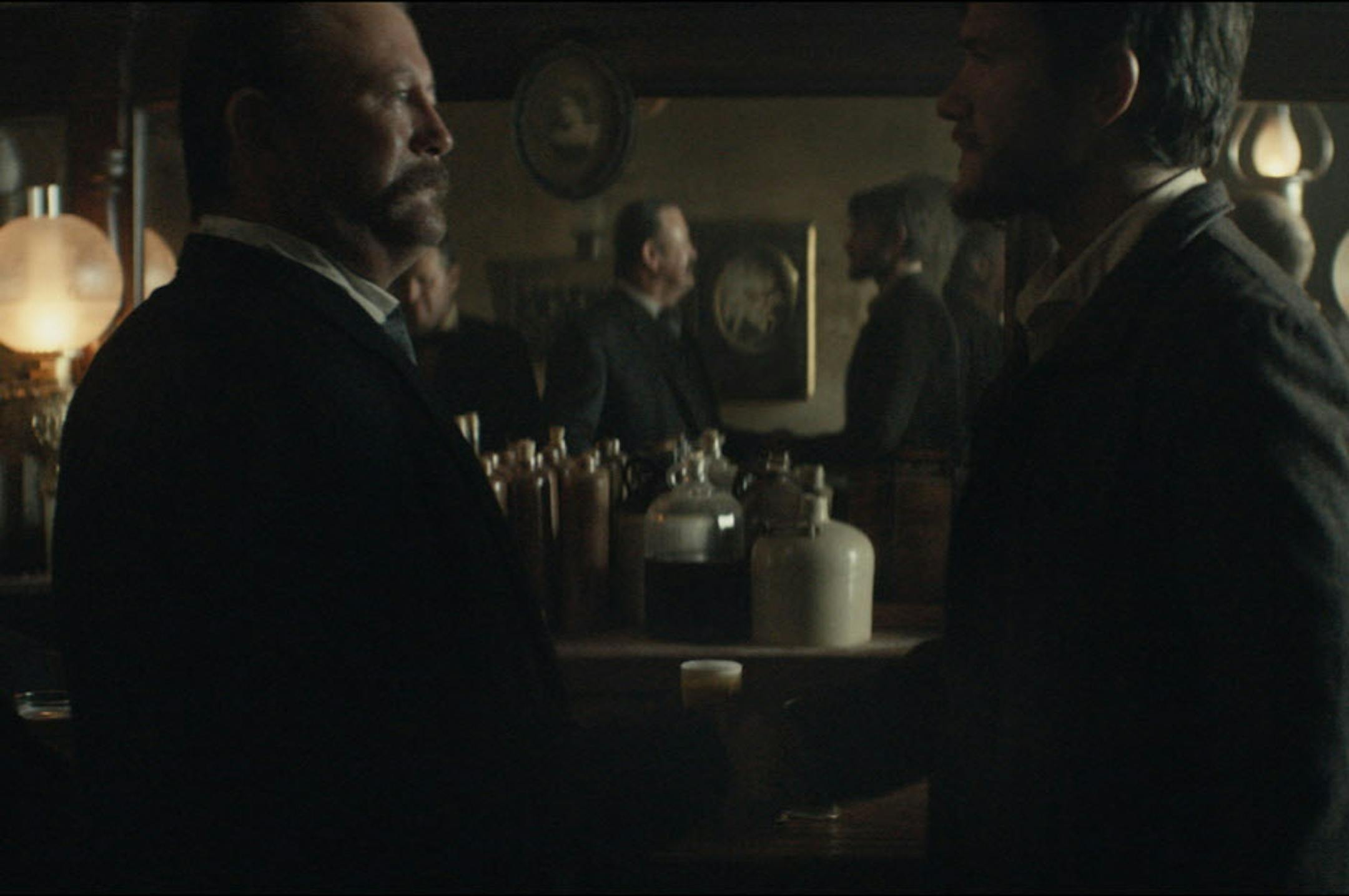
When the Budweiser brand prepared to release a potentially controversial commercial two weeks ago, its social-media monitoring team went to work.
The ad tackled the hot-button subject of immigration by depicting founder Adolphus Busch coming to America in the 19th century, and the company wasn't sure how customers would react. So it tracked tens of thousands of posts to see how the commercial was received and took solace when 78 percent of online conversations were neutral or positive. Despite some pleas to boycott Budweiser — misspelled in a Twitter hashtag as "Budwiser" — managers decided they had made the right decision to air the ad.
Those types of deliberation are increasingly common for companies in America's polarized culture, which presents a damned-if-you-do, damned-if-you-don't dilemma. Advertise on Breitbart News and get boycotted. Stop advertising on Breitbart and get boycotted. Cooperate with Trump and get boycotted. Don't cooperate with Trump and get boycotted.
It's no longer possible for U.S. companies to avoid controversy, so they often have to decide what groups are less risky to offend.
"Consumers are holding brands accountable as though they were political candidates, and they're voting again and again," said Micho Spring, head of global corporate practice at Weber Shandwick, a public relations firm that handles crisis management. A Weber Shandwick study, released Wednesday, found that 57 percent of top executives believe that boycotts can affect a company's bottom line. The survey polled more than 1,000 executives and 2,100 consumers around the globe last year, just as Donald Trump was wrapping up the Republican nomination on his way to the White House.
The president himself urged consumers to boycott brands while on the campaign trail, including Macy's and Oreo cookies. More recently, he upbraided Nordstrom for dropping the product line of daughter Ivanka, opening another front in the boycott wars.
Coca-Cola, PepsiCo, Starbucks, Nike, Uber Technologies Inc., Under Armour and Kellogg are just some of the companies that have faced the wrath of infuriated consumers on both sides in the past year. Their reactions have included direct challenges to the president's policies, attempts to stay above the fray by appearing nonpolitical — and silence. "It's more important than ever for companies to understand who they are and the value that they contribute to society, to their employees, to their communities and to their consumers," Spring said. "Because those values need to be the platform upon which they decide whether or not to respond to current events."
Anheuser-Busch InBev, which owns the Budweiser brand, is a case in point. Its immigration-themed commercial, which aired during the Super Bowl on Feb. 5, included a man shouting "Go back home!" at the company's immigrant founder. Though AB InBev marketing leader Marcel Marcondes said the piece wasn't meant to set off a controversy, "you can't reference the American dream today without being part of the conversation."