

Opinion editor’s note: Strib Voices publishes a mix of national and local commentaries online and in print each day. To contribute, click here.
•••
Could our unshakeable addiction to plastics be broken?
That’s certainly the hope of activists. The U.S. — birthplace of the modern polymers industry, and the biggest producer of its key feedstocks, oil and gas — has joined a bloc supporting a worldwide treaty capping plastics production. That could make a United Nations meeting in South Korea in November into a turning point in the material culture of humanity. The harder challenge will be ensuring that an agreement is workable.
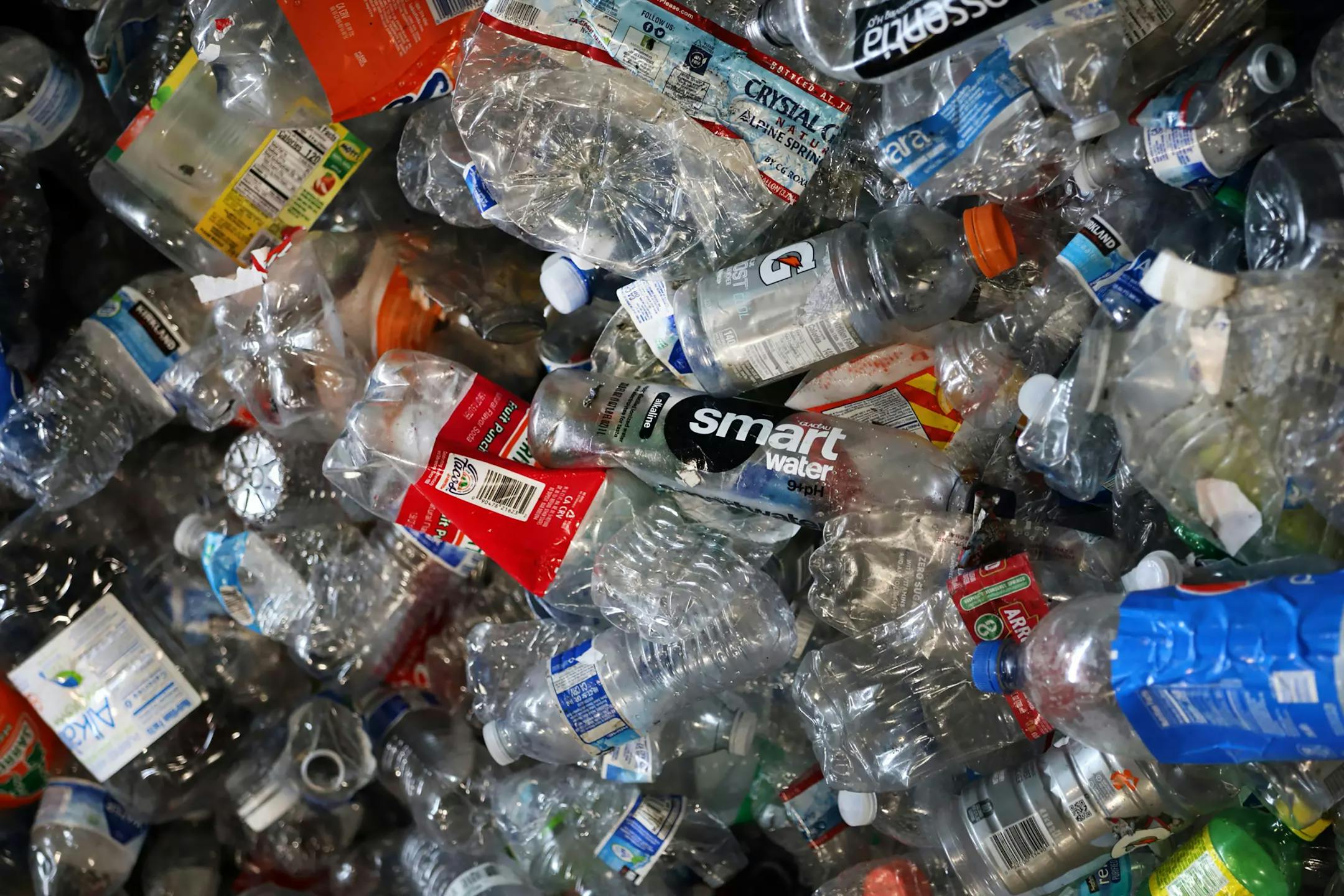
Whichever way you look at it, a mountain of waste polymers is likely to be one of the most lasting monuments of the 21st century. We produce some 400 million metric tons of plastics year in, year out. Except for the roughly 9% that’s recycled and 12% that’s incinerated, all of it ends up somewhere in the environment, whether in a landfill or scattered through our streets, soil and oceans.
Do everything feasible to stop that runaway train and we might cut output by about 40% by 2040, according to one influential study. Even such an ambitious scenario would leave more than 10 billion tons of waste by mid-century.
How you feel about that depends on how you weigh the contradictory evidence about the costs and benefits of plastics. It’s not enough to point at a large number and worry about it: Each year we manufacture 4 billion tons of cement, 2 billion tons of steel, pump 4.5 billion tons of oil from the ground, and release 35 billion tons of carbon dioxide into the atmosphere. Whether you consider that a problem depends on whether you think the waste is damaging (like CO₂) or largely harmless, like concrete.
Plastics, furthermore, have real advantages over the alternatives. They’re light, largely inert, and in many cases do less environmental damage than metal and glass (whose carbon footprint tends to be higher) and even paper (whose effluent pollutes fresh water).


