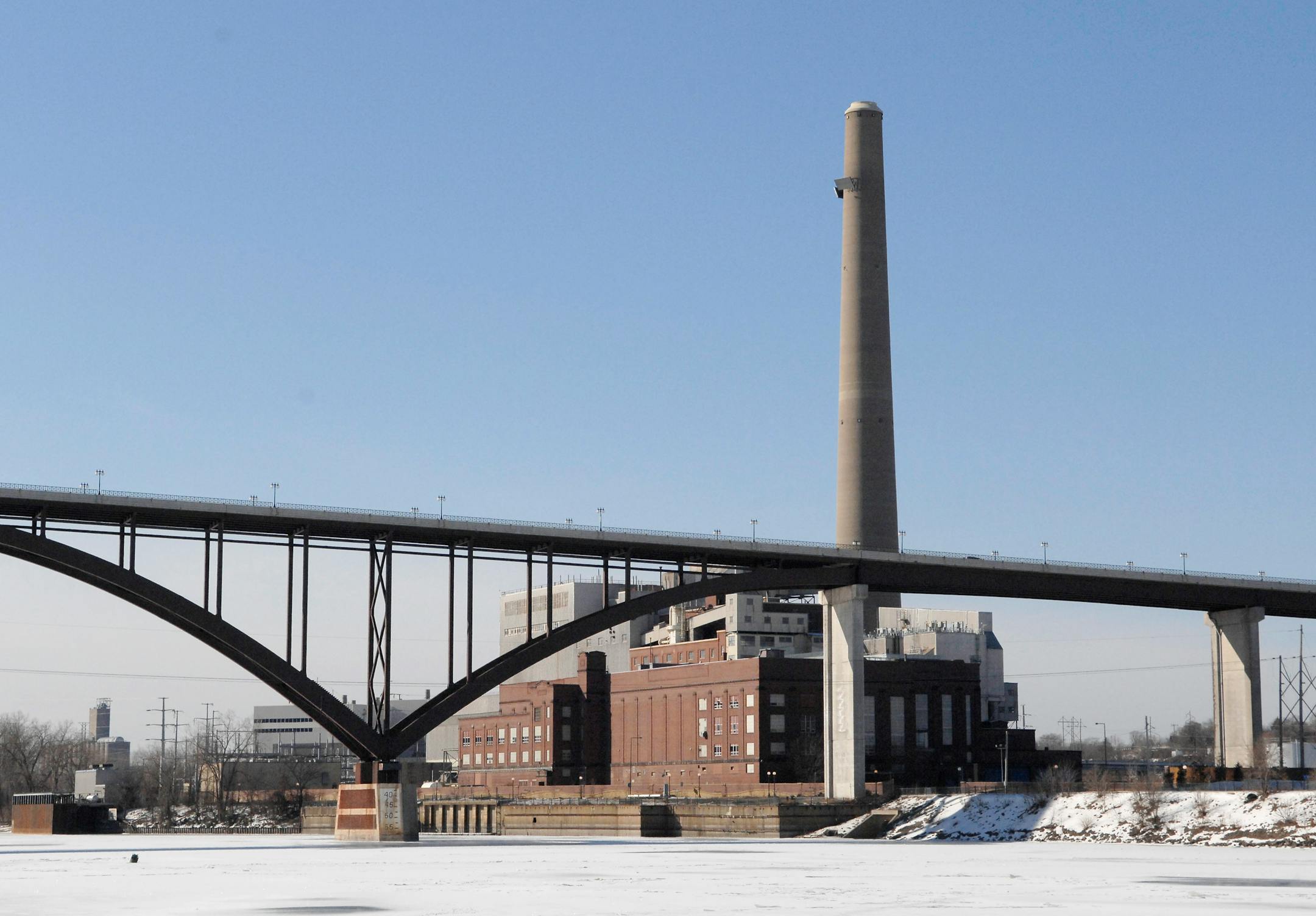
When Xcel Energy Inc. closed its coal-fired High Bridge power plant in August, West Side neighbors and environmentalists breathed a sigh of relief. The company has refurbished the plant to run on natural gas that will generate power for peak demand time at the same time it dramatically cuts emissions.
But the transformation also triggered the age-old law of unintended consequences. As a result of the switch from cheap coal to expensive gas, Xcel shuttered a boiler at the High Bridge plant that since 1984 had produced steam that was piped several miles to the huge Rock-Tenn recycling plant in St. Paul's Midway District.
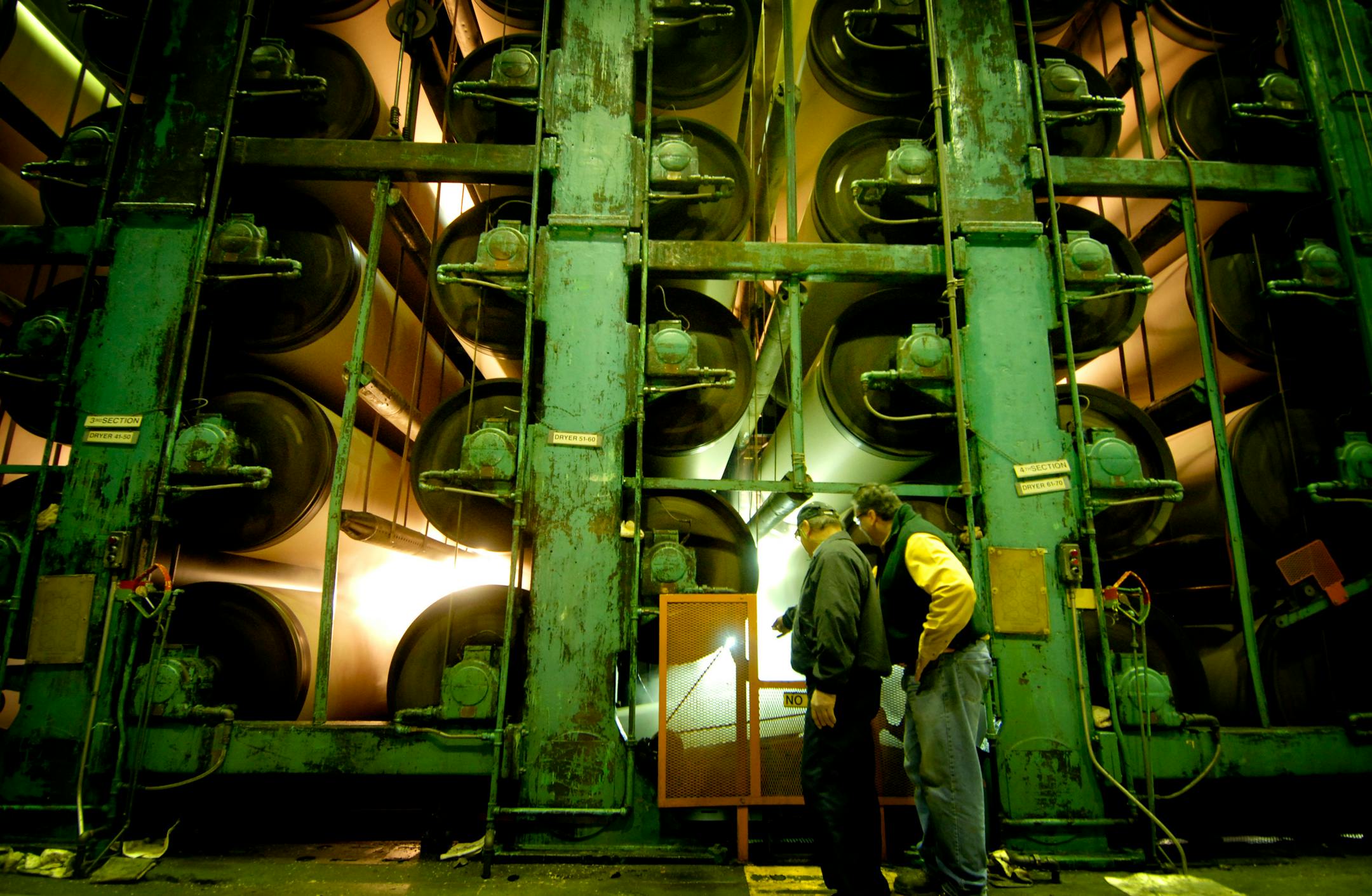
Since August, the Rock-Tenn plant -- one of the nation's largest recycling plants -- has been burning mostly No. 6 fuel oil and natural gas that may double its fuel bill to $30 million this year, at current prices, including boiler upkeep. Anne Hunt, who is St. Paul Mayor Chris Coleman's deputy for energy and environmental issues, estimated that the Rock-Tenn plant's new emissions from old boilers will add back into the atmosphere about 60 percent of the pollution that the new High Bridge plant saves.
Such tradeoffs illustrate the complex challenges that often surface along the path to cleaner energy. Still, out of this could come a cleaner solution. Rock-Tenn has offered to host a renewable-energy plant that may be owned by the St. Paul Port Authority and that could provide more economical electricity and heat to the 500-employee, 40-acre plant, as well as heating some neighboring buildings.
"We don't necessarily want to run a power plant," said Jack Greenshields, senior vice president and general manager of the Rock-Tenn plant, which is part of Georgia-based Rock-Tenn Co. "But we need to procure reliable, economical [power and heat]. And we could be an anchor tenant."
Local opposition
Vocal neighborhood opponents denounce what they say will be a smelly, pollution-spewing "garbage burner." Critics have portrayed the project since 2006 as a government-subsidized conspiracy to build a mass-burn garbage plant. "Neighbors Against the Burner" has launched a website and passed out lawn signs that dot nearby neighborhoods of Merriam Park and St. Anthony Park.
Pete Klein, a vice president of the St. Paul Port Authority, which is studying the plan, said: "We're not going to do anything that doesn't improve the air quality in St. Paul and hopefully we will take a huge consumer of energy -- Rock-Tenn -- and make them more energy-efficient and bring them off fossil fuels and onto renewable fuels."