

The backbone of a productive incoming class of Gophers recruits this year is formed by the top prep players from Minnesota, Wisconsin and North Dakota — all of them four-star recruits, the best of whom might be Esko safety Koi Perich who had late attention from Ohio State before sticking with the Gophers.
In all, the Gophers' incoming class — national letters of intent have been pouring in already Wednesday, the first day of the signing period — has 19 high school players.
But the reality is this: It takes only a realist, not a cynic, to wonder just how many of those 19 players will actually complete their careers at Minnesota.
The ease of changing schools via the transfer portal, given a boost of jet fuel by big money from Name, Image and Likeness rules, has undeniably changed bigtime college sports.
On one hand, this is tremendous news for the athletes whose labor has turned college football and other sports into a multi-billion dollar industry. They are free to change their situations and to profit from their talent, popularity or both.
But as I talked about on Wednesday's Daily Delivery podcast, it also means we need to reframe how we think of signing day. NIL hasn't quite rendered the NLI obsolete, but high school signing day has certainly lost some of its significance.
Consider this: According to SportSource Analytics, transfer players made up 6.4% of rosters at the FBS level in college football in 2019. By this season, that number had swelled to 20.5%, a more than three-fold increase in just four years. That number will level off at some point, but it seems likely to continue to climb.
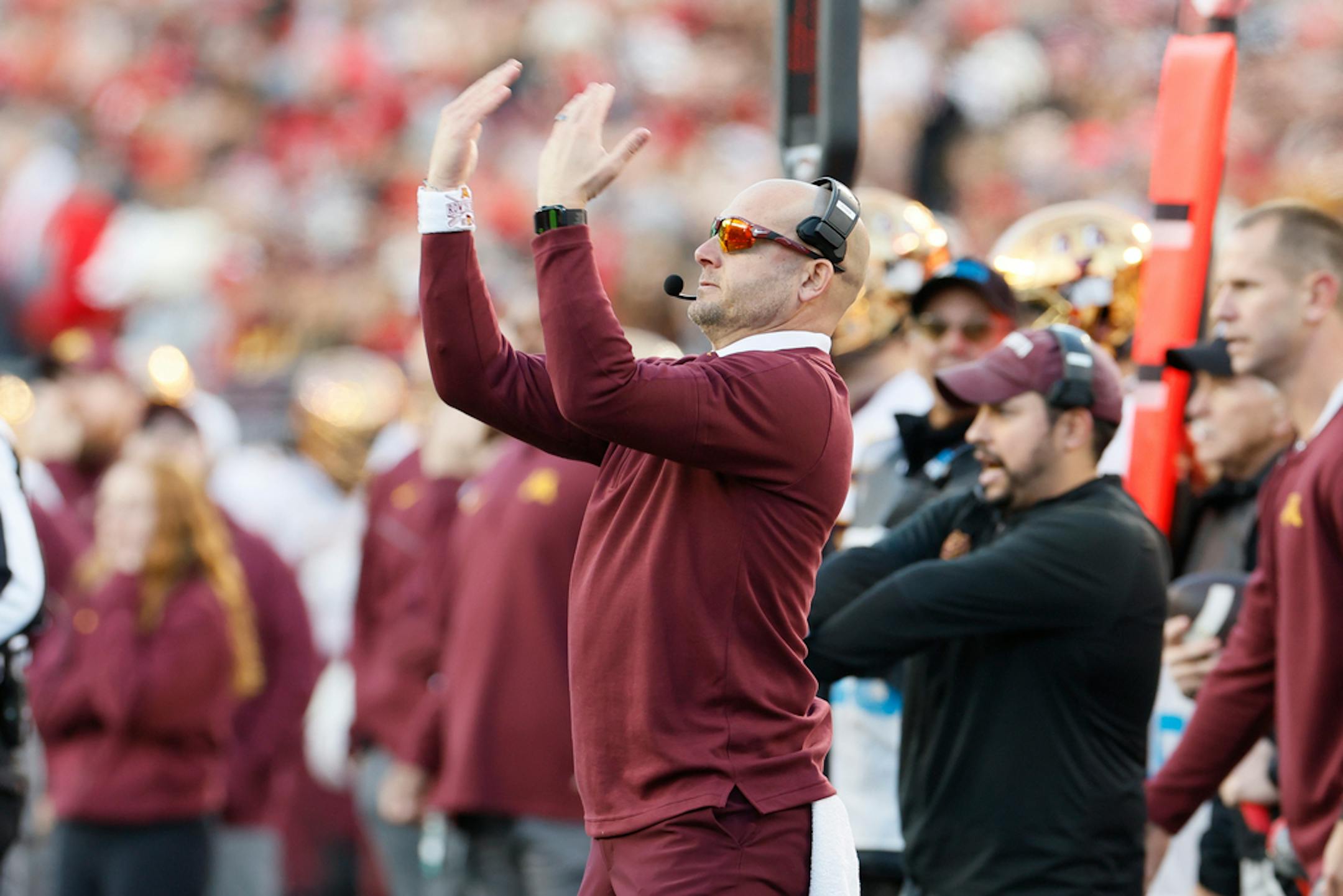
Quarterbacks are the biggest impact players in the portal, which has forced coaches — including the Gophers' P.J. Fleck — to adapt. He's added two quarterbacks in the portal in the past couple weeks, including presumed 2024 starter Max Brosmer from New Hampshire.


