

Opponents of "government-run" health care often argue that such oversight would lead to delays in needed care and widespread rationing.
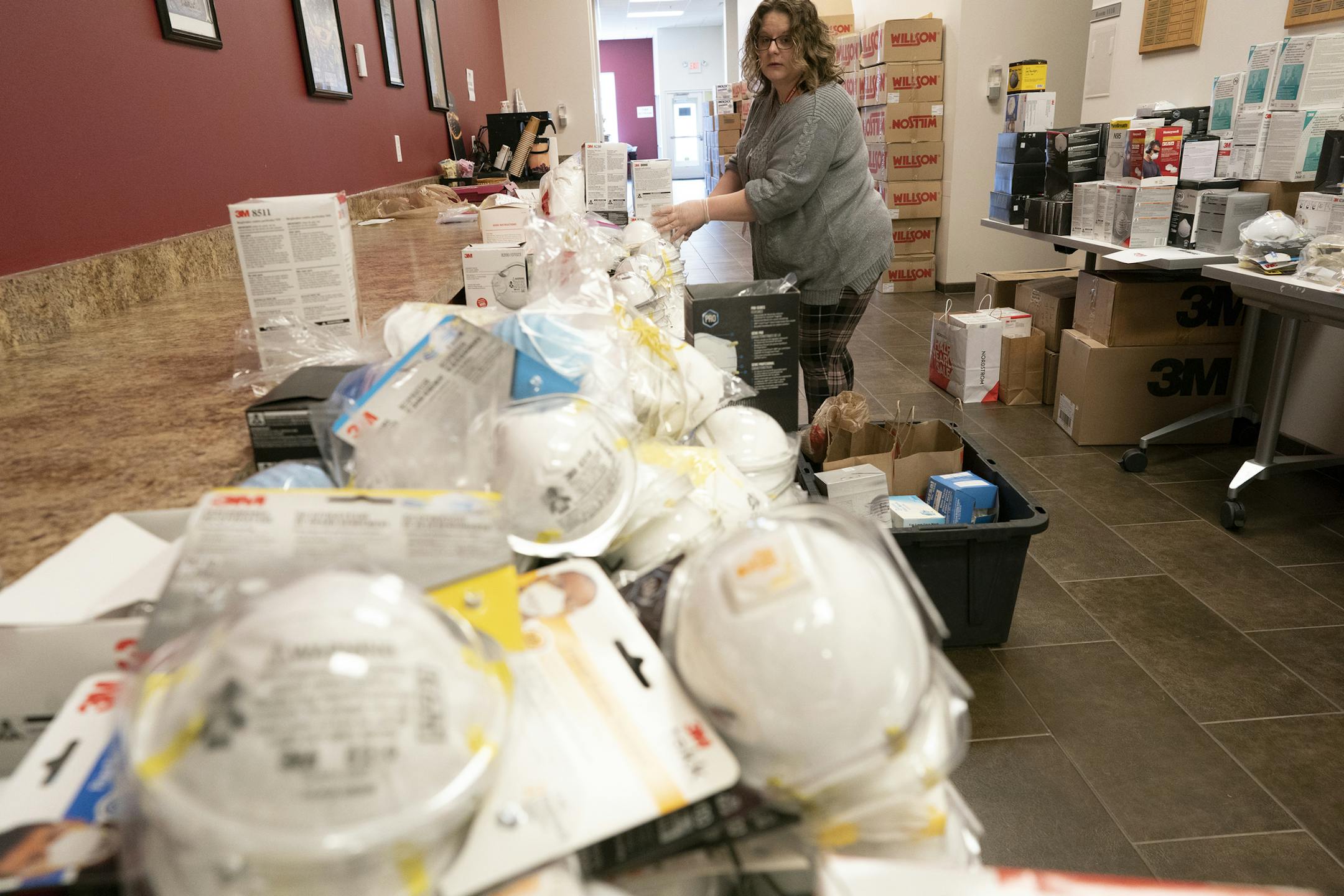
The irony of the anti-regulation ideology is that it's because of insufficient health care oversight that our nation now faces severe rationing of critically needed health care resources during a foreseeable global pandemic.
For nurses, respiratory therapists, physicians and those who clean up after them, being told there are "millions" of masks and "wonderful" supplies of ventilators on the way in a few weeks, perhaps from inexperienced ventilator factories, means very little to the immediate crises health care professionals face as you read these words.
The "R word" — rationing — is scarcely heard from podiums and pundits. But it accurately applies to what happens when presidential procrastination and science skepticism leave lifesavers at risk of losing their own lives. Caregiver distress is compounded by the burden of making life-or-death decisions for those in their care because of crises beyond their control.
If we are a nation at war, as the administration keeps saying, our clinicians must be able to make triage decisions that are transparently and fairly applied because they are supported by community engagement and explicit health care system policy.
Those at government podiums and media anchor desks keep telling us we are in this pandemic together. If so, then we must also be together in the fundamental values and principles used by providers making unavoidable rationing decisions. They may justifiably feel they have been stranded twice: once by system procurement failure and again by insufficient support in making heart-wrenching choices.
Should a dying patient with failing heart, lungs, liver, kidneys and brain be resuscitated and kept on a ventilator that could go to an otherwise healthy patient with acute but reversible lung injury from COVID-19? Too often, the grief of the hopeless patient's loved ones keeps them from allowing caregivers to transition treatment from extraordinary mechanical support, in the face of overwhelming biological deterioration, to loving comfort and a dignified death.
What of the grief of the loved ones of the COVID-19 victim who faces a high risk of dying only in the absence of a needed ventilator? When can professionals rely on the sciences they are so highly trained in? When are treatments first-come, first-served in a system already rife with access disparities? When does random selection determine who benefits?


