

Opinion editor’s note: Star Tribune Opinion publishes a mix of national and local commentaries online and in print each day. To contribute, click here.
•••
If the Car Crash Fairy offered you a deal that would lower your odds of getting in a car accident, but the trade-off was that any accidents you did get into would be far more likely to injure or kill you, you probably wouldn’t take that deal. But that might be the bargain we have made with climate change and two of the most destructive natural disasters.
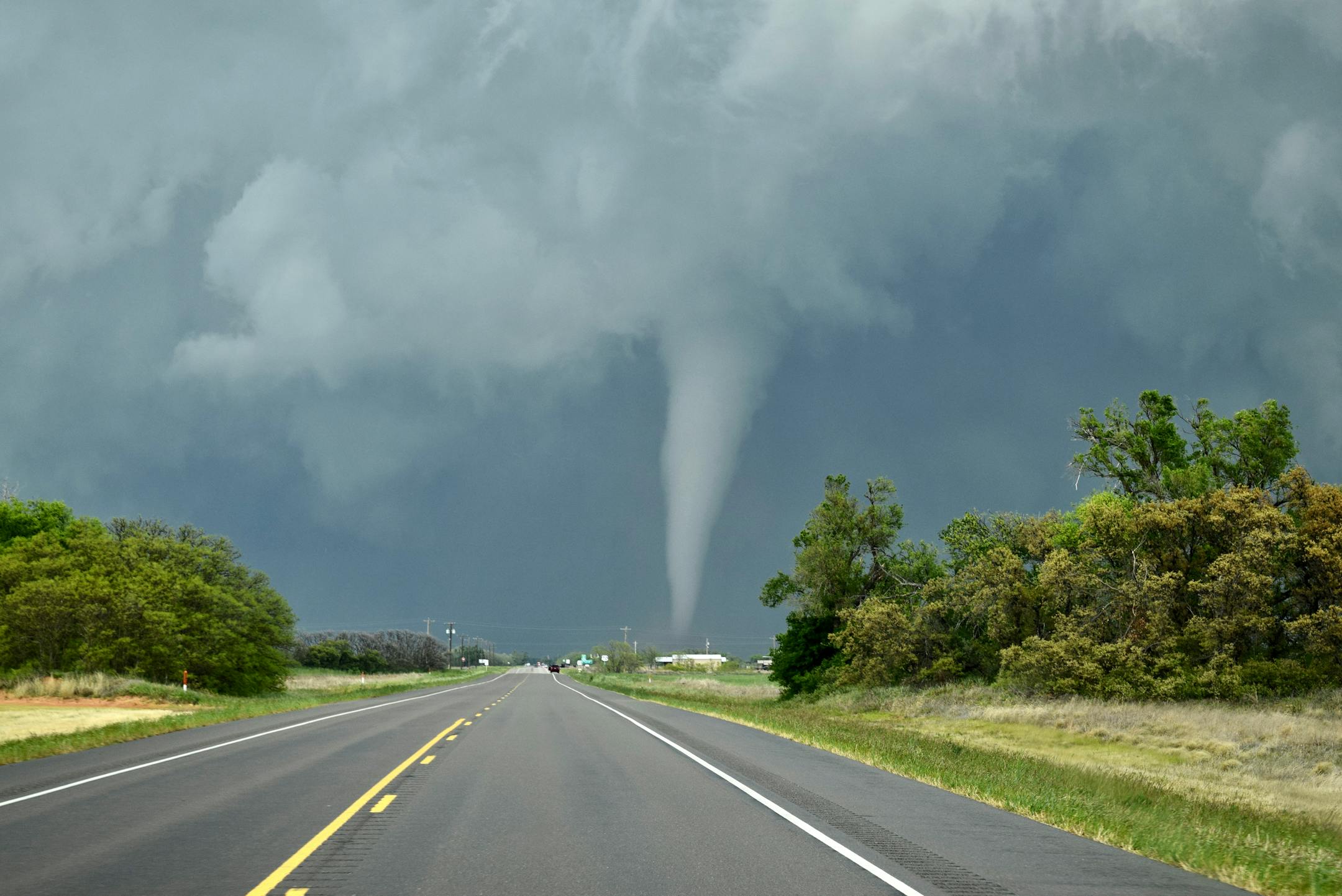
Many of the heat waves, droughts and floods wracking the planet have clearly been made more likely by warming. The jury is still out on whether tornadoes and hurricanes will similarly become more frequent. They might even happen less often, at least in some places. But the ones that do occur could be more destructive, raising risks for everyone from insurers to urban planners.
People in the Midwest facing yet another onslaught of tornadoes could be forgiven for thinking there have never been more of them. Consider Indiana, for example, suffering its fifth twister attack of 2024 after one of the state’s busiest years on record. But, in fact, tornadoes seem to happen in Indiana about as often now as they did in, say, the 1970s.
This might seem counterintuitive. The supercell thunderstorms that breed tornadoes thrive on heat, moisture and instability in the air, something weather nerds call CAPE, or convective available potential energy. And climate change is certainly generating plenty of that. But these storms also need wind shear, a change in wind speed and direction at different altitudes. While global warming creates more CAPE, it also creates less wind shear.
In some places and times, warming’s CAPE effect will outweigh its wind-shear effect, producing more tornadoes. In other times and places, the opposite will happen. Good luck trying to model it; tornadoes are hyperlocal events that chaotically pop in and out of existence like virtual particles or TikTok dances.
A 2021 study by researchers at Columbia University and Central Michigan University suggested that every one degree Celsius of warming would make tornado-friendly conditions increase by 5% to 20%, though the actual incidence of severe weather would increase by a little less. The planet has warmed by about 1.3 degree Celsius above pre-industrial averages so far. Maybe a world of 2.7 degree Celsius warming will have noticeably more supercell storms and other severe weather, including damaging winds and hail.


