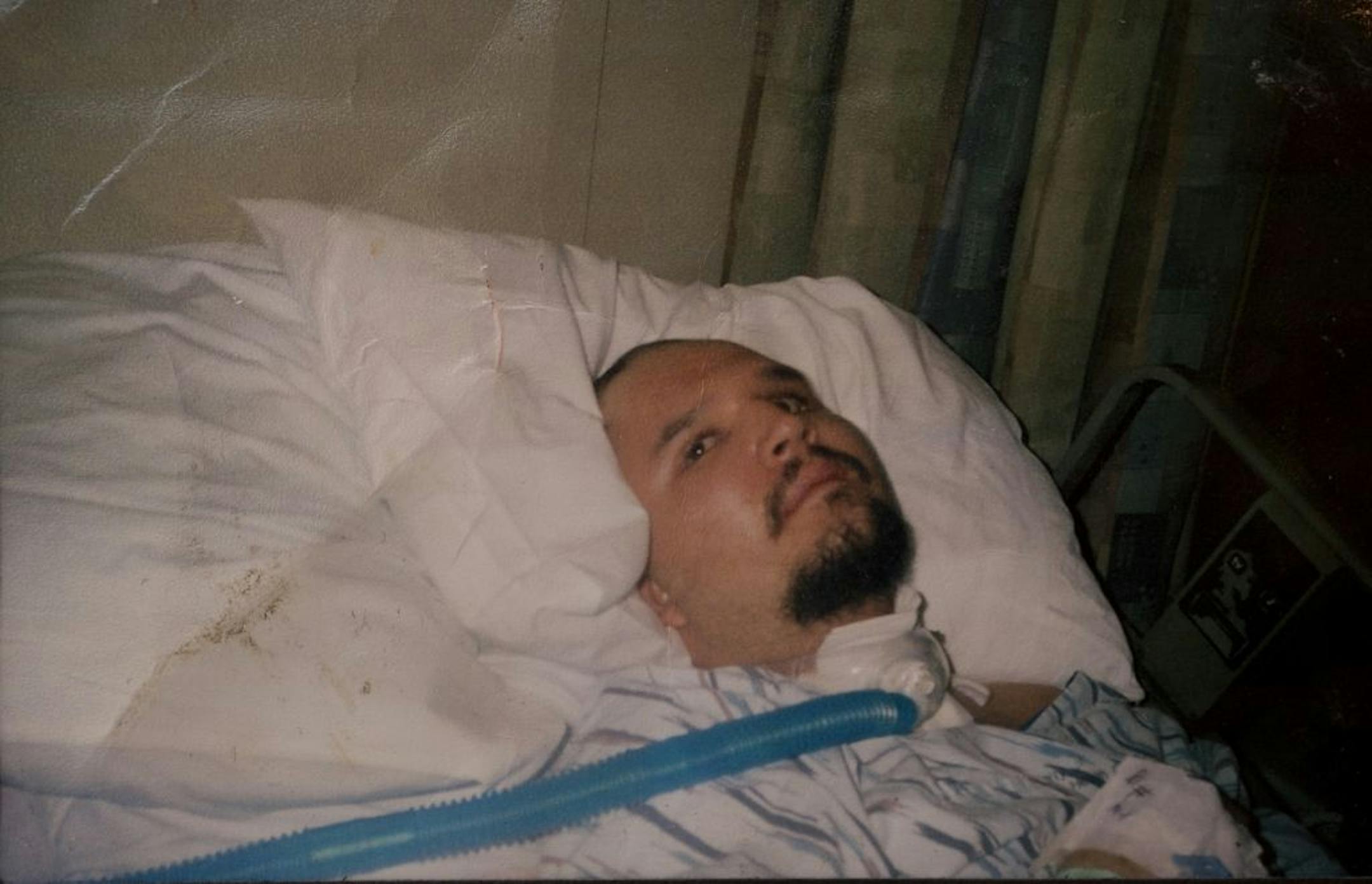
In a case that garnered national attention, Christopher Wise of Seattle, a college graduate, was sentenced last month to more than three years in prison after being charged with murder for allowing his 88-year-old mom to rot to death. He was her sole caretaker.
Upon her death, she was found emaciated and covered in open bed sores that exposed her bones. Her diaper was grossly soiled, and her bed sheets reportedly covered in "dried blood, urine, feces and possibly pus." And that's just the half of it.
Disturbingly, if Wise had lived in Minnesota instead of Washington state, he might never have been charged with murder. Minnesota is one of only five states without a felony-level penalty for criminal neglect of a vulnerable adult.
Outrageous? You bet. Minnesota shouldn't be a place where caregivers can lock grandma in a sweltering car while they run errands and never be charged with a felony, even if she ends up in the hospital from the maltreatment (a real-life case).
The way state laws are written now, malicious caregivers might only receive a legal swat on the tush if, for instance, they fail to seek medical help for a disabled adult's badly infected foot, leaving doctors no choice but to amputate (another real-life case).
This odious gap in our legal system should be corrected -- and fast. With the large baby boomer generation sailing into its sunset years, the need for a statute protecting the state's elderly from intentional heinous abuse is all the more critical.
Among the elderly most at risk for victimization are the soaring numbers suffering from dementia. Studies show they're often unable to use a phone to call for help or communicate the abuse to people who could intervene. Or they're simply too scared of their abusers.
Who wouldn't be behind a tougher law? Organizations that employ caregivers, according to an Aug. 14 Star Tribune story by Brad Schrade and Lora Pabst ("State has huge gap in punishing elder neglect").