![House transportation committee chair Rep. Tim Kelly, R-Red Wing spoke at a press conference unveiling the Republican transportation plan. Behind him, House Speaker Kurt Daudt, R-Crown. ] GLEN STUBBE * gstubbe@startribune.com Monday, March 23, 2015 Leading Republicans in the Minnesota Legislature unveil their alternative to Gov. Mark Dayton's 10-year, $11 billion roads, bridges and transit proposal. The GOP is promising a "10-year, comprehensive approach to prioritizing road and bridge infrastruc](https://arc.stimg.co/startribunemedia/FE2FBMXQDQMIUGCTBM537M2X6U.jpg?&w=1080)
A little-known financial tool may be considered to keep money going to the beleaguered $1.74 billion Southwest light-rail project — and it's provoking another round of controversy.
The Metropolitan Council is considering the use of "certificates of participation," a form of government financing, to keep the project afloat while legislators debate the $138 million needed in state funding for the transit project. Legislative support is uncertain, and the lack of state support could imperil critical federal funding for the 14.5-mile line linking Minneapolis to Eden Prairie.
The Met Council said the tool would only be deployed as a stopgap to bridge temporary cash-flow issues that may arise, not as a way to pay the state's entire share. And, they say, certificates would only be tapped as part of a broader financial plan for the project approved by lawmakers.
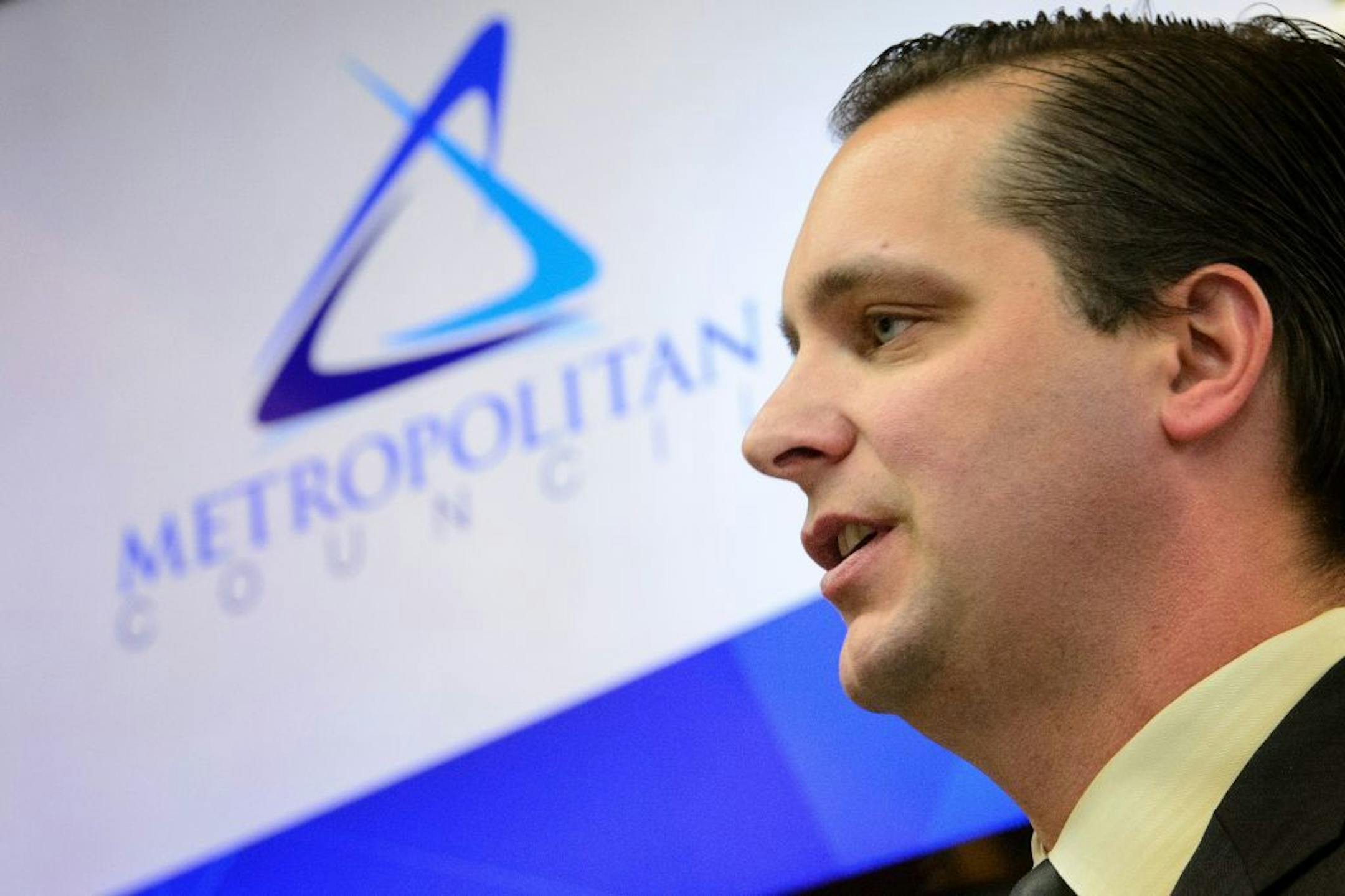
Rep. Tim Kelly questions the idea. The Red Wing Republican, who chairs the House transportation committee, wrote to the head of the Met Council in June asking whether the regional planning agency has the legal authority to issue certificates of participation for a transit project. The Met Council maintains it does.
After a follow-up meeting with Met Council Chair Adam Duininck last month, Kelly said last week he is still opposed to their use. "I am not a fan," he said. "It's just a creative way to say we need to acquire more debt without it being right out in the open. It's a transparency issue, it's very difficult for people to follow and understand."
The certificates are defined as "a special kind of revenue bond, with a fuzzy guarantee," said Jerry Zhao, an associate professor at the University of Minnesota's Humphrey School of Public Affairs. They are typically paid back with an expected source of revenue — in this case the Met Council may use motor vehicle sales tax money to back them.
Relatively new tool
Zhao says the financing tool is relatively new, and has been used quite a bit in California. Governmental bodies pressed for cash like the flexibility of the certificates; in some cases public hearings are not necessary, he said. Investors like them because they may carry a higher rate of return, though they do come with a higher level of risk compared with other bond investments.
The Met Council used $13.5 million in certificates of deposit to renovate its St. Paul headquarters in 2004. Minnesota issued $75 million in certificates to update the budget department's tax, accounting and procurement computer systems in 2009. And, $81 million of certificate financing was used for the controversial $90 million Senate office building at the Capitol.