

Minnesota elected officials entering office swear to uphold the state and federal Constitutions. They do not take an oath of allegiance to the Lessard-Sams Outdoor Heritage Council, an advisory panel of 12 appointees who make recommendations to the Legislature each year on how to spend about $90 million in Legacy Amendment sales tax dollars.
This basic but critical fact bears noting in the aftermath of a bitter legislative battle that erupted this spring when Minnesota House lawmakers drew the ire of outdoors special-interest groups for not blindly approving the council's approved list of projects.
(The money for which the council makes recommendations flows from the 2008 Legacy Amendment sales tax increase dedicated to the arts, parks and trails, habitat, and clean water. The Outdoor Heritage Council recommends projects eligible for some of this funding, but the Legislature still must approve spending for these initiatives.)
Lawmakers didn't reject any of the council's chosen projects — an important point that got lost in the debate. What lawmakers did do was exercise their authority to make a tweak. They added funding for two relatively small initiatives — about $9 million for metro park improvements and additional aquatic invasive species safeguards.
The objections that followed were less about the projects' merits than about maintaining the myth that only the Outdoor Heritage Council's members are worthy and pure enough to allocate the money. Preserving a funding process that has worked well for many outdoors groups, who have projects funded through the council, was also a motivation.
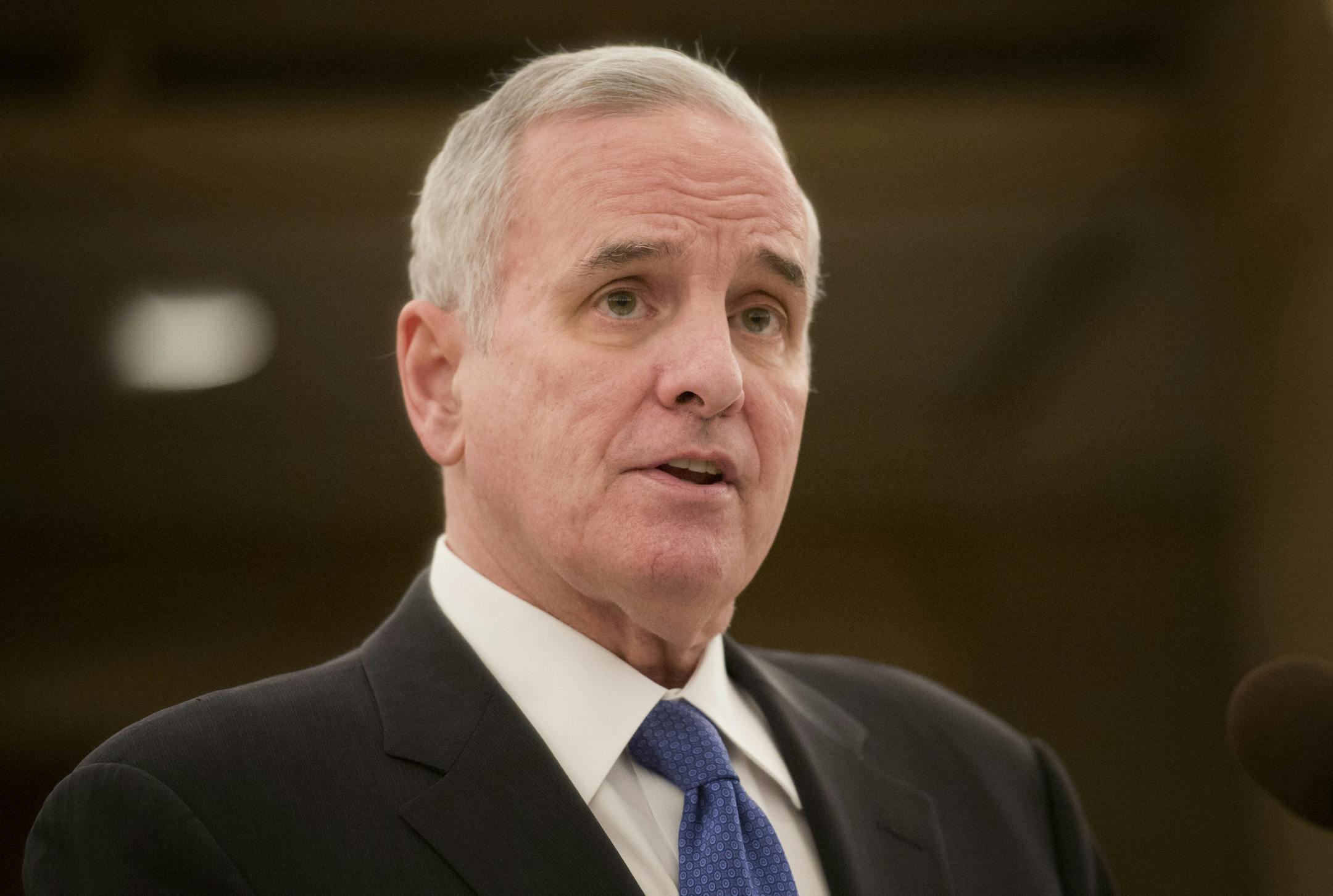
"This is not an issue of the availability of funds. This is an issue of control and power and perceived 'authority' of a group which is only authorized to make recommendations,'' wrote former Minnesota Vikings great Paul Krause, now a Dakota County commissioner, in a letter sent to Gov. Mark Dayton.
In advocating for the two legislative projects, Krause was at odds with former Vikings head coach Bud Grant, who was a high-profile critic of perceived legislative meddling with the council's recommendations. Other groups that publicly objected to the two projects: Pheasants Forever, Ducks Unlimited, the Nature Conservancy, Minnesota Outdoor Heritage Alliance and the Minnesota Shooting Sports Association.
Rather than respecting the legislative process and the state Constitution, which places the power of appropriation not in the hands of unelected officials but with lawmakers accountable to voters, Dayton regrettably caved to these special interests.


