I had been to Hawaii before, watching the whales, lounging at the luaus and basking on white sand. But this time, I was in Honolulu to retrieve my son, who was coming home to Minnesota after four years of college. Between helping sell his surfboard and thanking the benevolent grandmother who baked him mango bread, I realized he knew a side of this place I'd never seen sipping Mai-Tais by the pool.
We had a few days before returning, so I made a request: Show me your Hawaii. Little did I know that curiosity would lead to obsession.
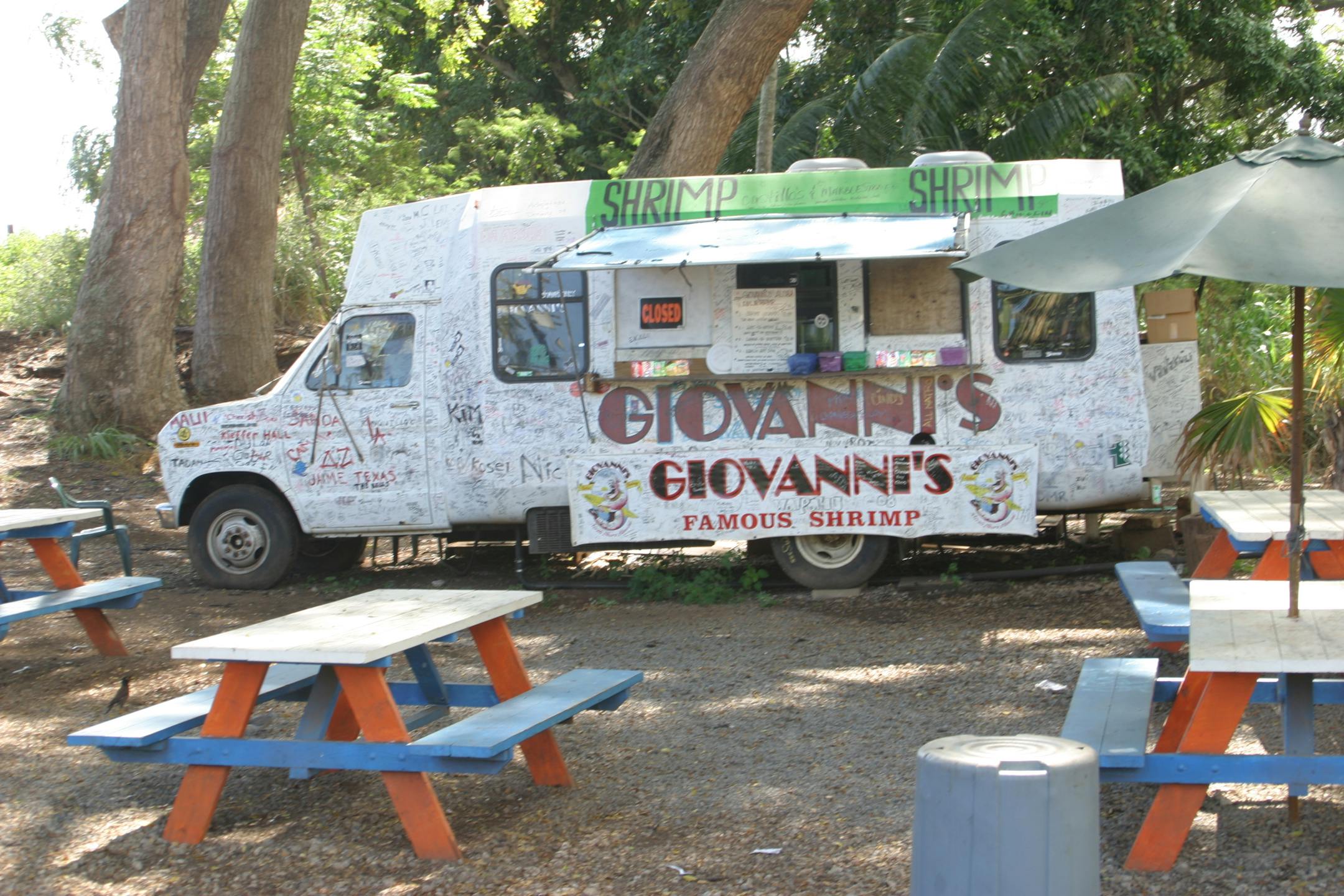
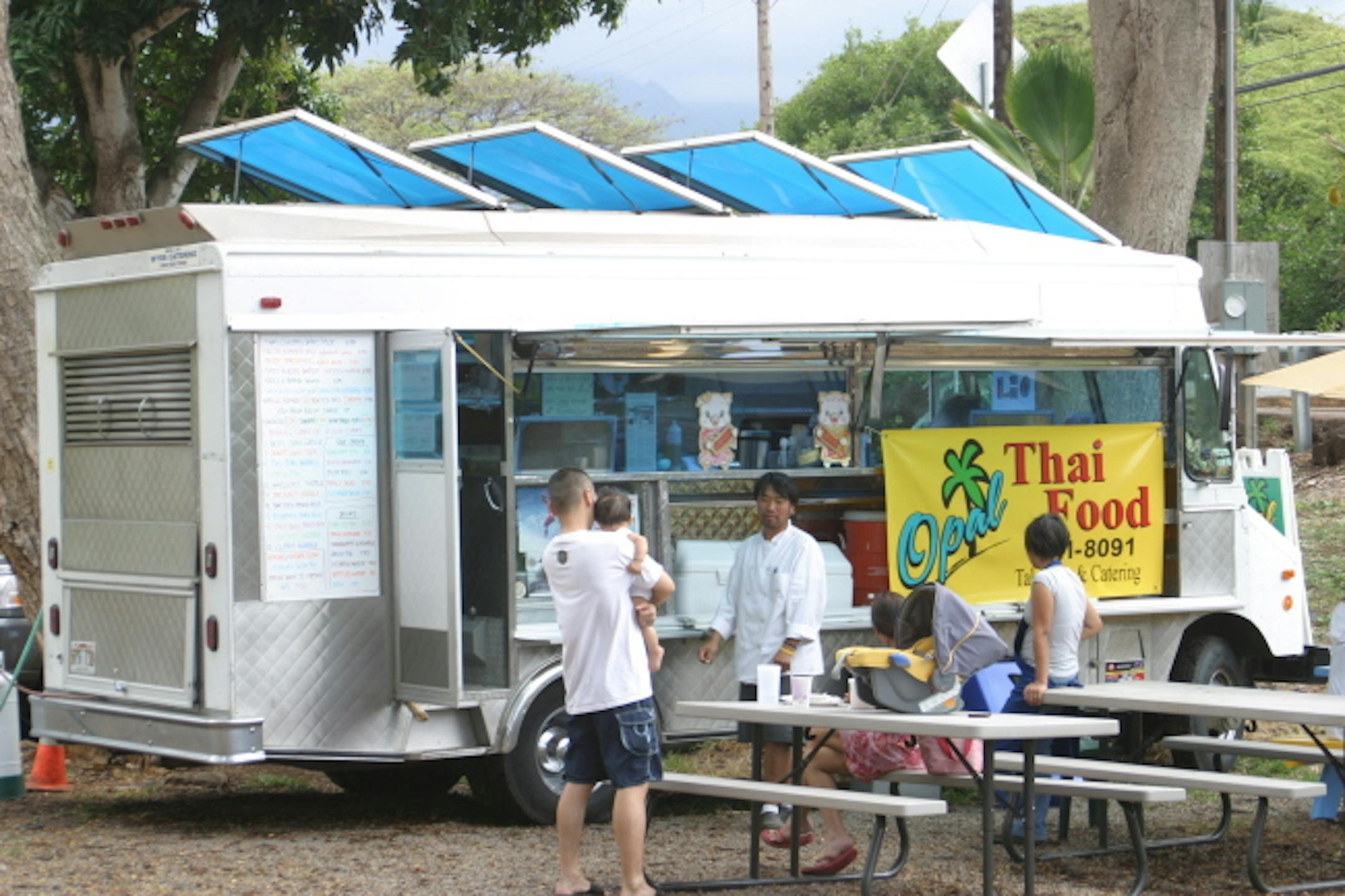
We headed to Hanauma, a secluded snorkeling cove about 10 miles from Waikiki. As we flip-flopped back to the car at lunchtime, I wistfully recalled the umbrella-fronted Greek restaurant we'd passed that morning. My son, however, pointed to the locals' solution for a growling stomach: a lunch wagon, Hawaii's beloved meals on wheels.
Around a gathering crowd, I strained to read the marker board. Today's special? Same as every day: "da plate lunch." A longtime local favorite, this salute to American and Asian starches included rice, macaroni salad, various options for gravy-smothered entrées and pickled cabbage on the side -- all unceremoniously handed to us in a Styrofoam box.
Ono kine grindz (Hawaiian pidgin for delicious local food) can also include the more exotic, such as Kalua Pig, Deep-Fried Mahi-Mahi, Shoyu Chicken, Lau-Lau (pork and fish steamed in taro leaves), Teppanyaki Steak, Grilled Ahi and Crab-Stuffed Salmon.
And who could pass up the Spam Musubi, fried Spam served sushi-style atop a block of sticky rice and wrapped with seaweed?
Delicious food, cheap
There are 362 licensed lunch wagons throughout the islands, 266 on Oahu alone. They reflect a mélange of immigrant heritage from Japanese to Portuguese, but the formula is always the same: good food, fast and affordable. The entrepreneurial concept is said to have evolved from the bento -- the box or bucket of rice, meat and pickled vegetables that Japanese workers enjoyed long ago in plantation fields. The first lunch wagons sprang up as a convenient alternative to bento from home, later expanding to fulfill demand during World War II among dock workers and those disenchanted with military cuisine.