

Opinion editor’s note: Star Tribune Opinion publishes a mix of national and local commentaries online and in print each day. To contribute, click here.
•••
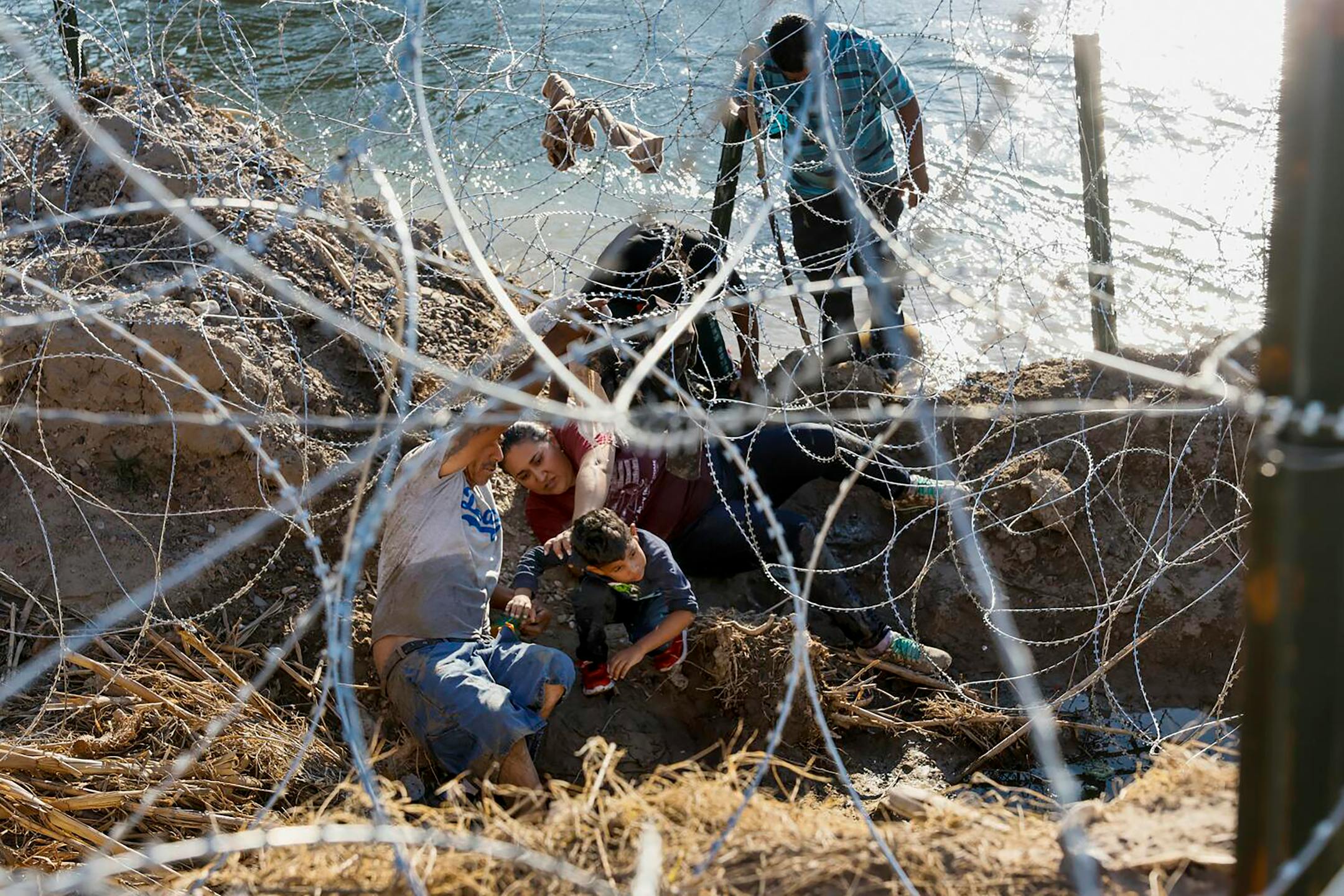
There is an irony about our southern border. It’s a flashpoint for the country right now — strung with razor wire, overwhelmed by migrants, feeding feverish emotion — and better border management is urgently needed. But while the border is where immigration challenges confront us, it is not the place where solutions will be found.
If we want to reduce the stress on the border and bring down our shared political temperature, we need to take a more expansive look at our immigration policies. Building more worker visa programs is a good place to start.
It’s no secret that our country’s gobsmacking backlog of more than 2 million asylum cases is driven, in large part, by migrants fleeing poverty. Yes, some are fleeing poverty and violence, but many are directly fleeing poverty. Their asylum applications, by and large, will be denied because economic desperation, no matter how severe, is not one of the few legally recognized criteria for asylum. Still, these migrants enter the years-long adjudication process because there are no other options for them.
Many Americans think “economic” migrants should “get in line and wait their turn,” but this admonition fails to recognize that, other than the asylum morass, there is generally no line for those fleeing poverty to wait in. The U.S. offers approximately 140,000 employment-based visas each year, in a labor market that is short somewhere around 3 million workers — and many of the workers are needed for types of labor that have few or no visas available. By creating more guest worker programs we would not only thin the crowds at the border, but also help the country meet some glaring economic needs.
There are already bipartisan road maps for such programs.
Take, for instance, the proposed Border Security, Economic Opportunity, and Immigration Modernization Act of 2013, which included the creation of a W visa to allow entry for low-skilled temporary workers seeking jobs that do not require a college degree. This would have met so many of our country’s needs when it comes to critical industries like construction, landscaping and food services — pieces of the economy for which we already rely so heavily on unauthorized workers, as much as we hate to admit it.


