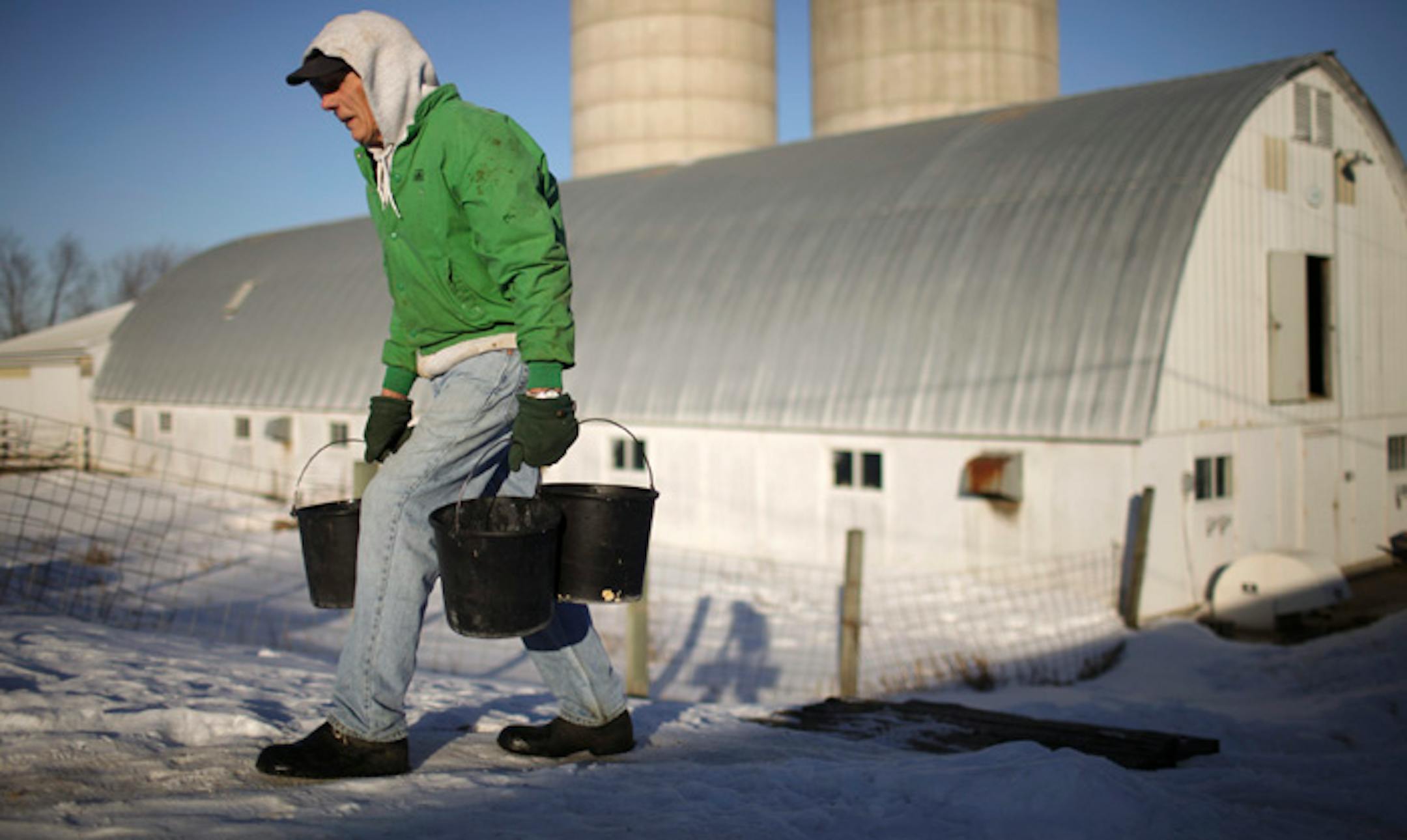
As most of the major Farm Belt states lose farms by the thousands, Minnesota is bucking the trend.
In five years the state has gained 2,200 small to micro size farms and added nearly 100 in the mega category -- 2,000 acres or bigger. That has offset the loss of more than 2,100 mid-sized farms, those in the hundreds of acres, the federal government reported Wednesday.
As a group, the state's farmers enjoyed a big increase in income between 2002 and 2007, according to figures gathered last year for a massive nationwide agricultural census. But costs rose dramatically -- up to 90 percent in some categories, particularly for fuel and fertilizer, as energy costs jumped overall.
Still, the hike in income was significant, said Minnesota Agriculture Commissioner Gene Hugoson: from $8.6 billion to $13.2 billion, with the same trend expected to continue through 2008. "Agriculture is still a big part of this state's economy," Hugoson said.
Minnesota is no longer the fastest-growing state in terms of number of farms, as it was in the last five-year period, when it added thousands. This time it was just up slightly. But it still stands out against its Farm Belt cousins: States like Illinois, Iowa, Nebraska and Indiana are still losing thousands more farms in each new census.
The rise of the smaller in Minnesota and many other places, offsetting the losses in mid-sized ones, raises questions about what's really going on. Is it a sign of a new brand of farming -- smaller-scale, more organic, often serving or being created by Minnesota's multitudes of immigrants from around the world? Or is it a sign of wealth, of Range Rover hobby farms with stables in back?
Charli Mills of Valley Natural Foods in Burnsville, which expanded last summer from a hole-in-the-wall place to 10,500 square feet, said it must have something to do with a growing desire for more food choices, and growing numbers of young people digging into the soil to serve them.
'A great food area'