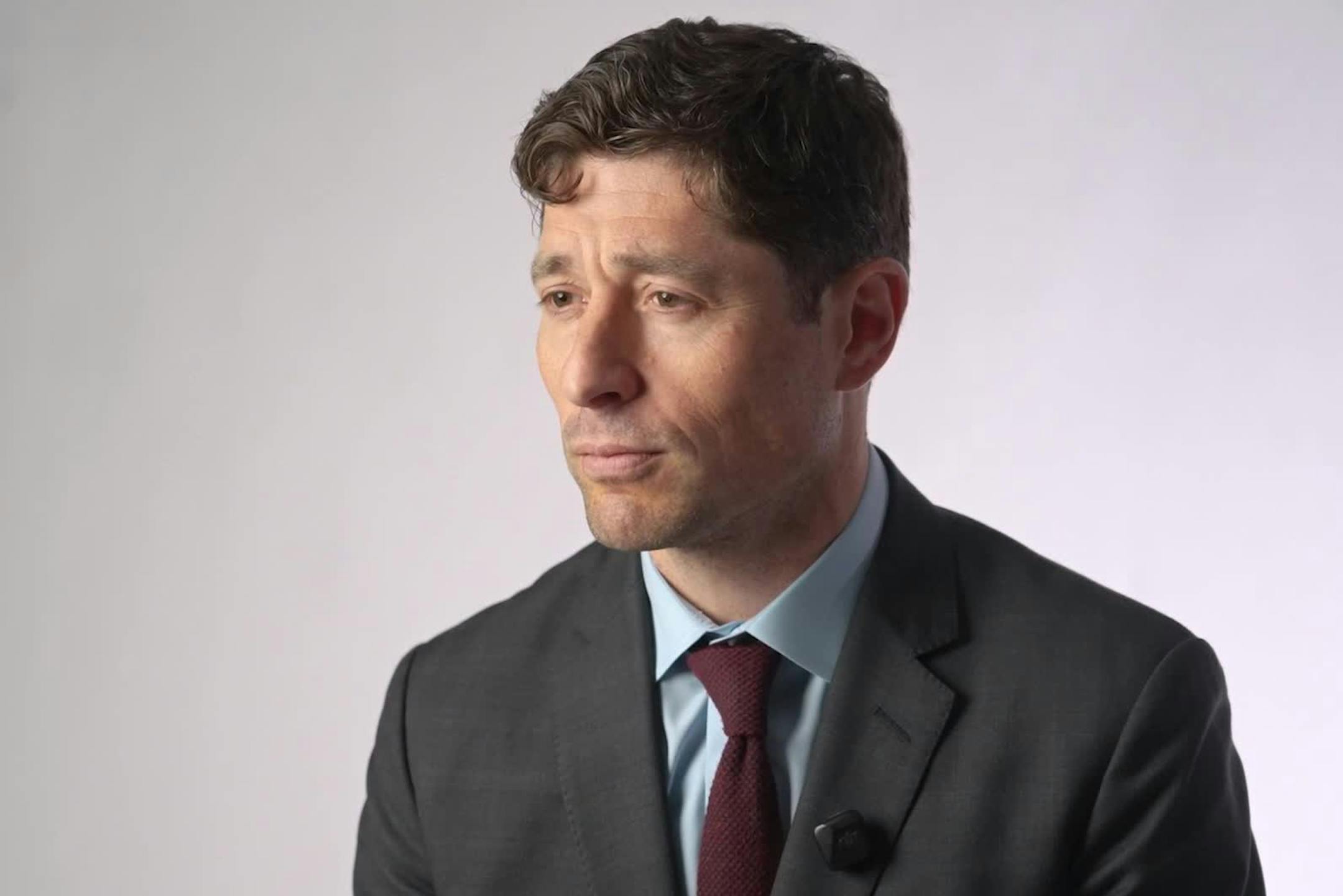
Mayor Jacob Frey is running for a third term, which he has said would be his last. He faces a trio of challengers who have energized the most progressive wing of the city electorate.
Frey first served as a City Council member before being elected mayor in 2017, in the aftermath of two fatal police shootings. He ran on a promise to reform the police department, and public safety has been the dominant theme for the past eight years, punctuated by the 2020 murder of George Floyd.
As part of its coverage of the Minneapolis city election, the Minnesota Star Tribune asked Frey and his most prominent challengers to sit for videos addressing a variety of campaign issues. (Omar Fateh’s campaign canceled a scheduled interview and did not respond to requests to reschedule.) Frey’s comments have been edited for length and clarity.
On his priorities if he were to win another term
Minneapolis is facing a range of issues that other major cities are also seeing around the country, but without a doubt, the number one issue has to be public safety. Second is affordable housing. And then finally, economic recovery and inclusion.
Four years ago, people talked about wanting to see a comprehensive approach to public safety. We’re starting to deliver it. We want to make it so that you have a unique skill set that is matched with the unique circumstances that are happening on the ground.
The second big issue is affordable housing. I believe that housing is a right that everybody should have that safe place to go home to at the end of the night. And right now, that right is not afforded to everyone, but Minneapolis has been doing the work that leads the nation.
On public safety and reforming the Minneapolis Police Department
You don’t need to take my word for whether reforms are taking place or not. The independent evaluator which oversees the court-enforceable settlement agreement has said that Minneapolis is making more progress towards a foundation of police reform than virtually any city in the whole country.
There is a litany of reforms that are outlined, and we need to make sure that: One, the policy changes go through; two, we need to make sure that officers understand what those policy changes are; three, we need to make sure that they are trained in on those policy changes, so that when something difficult happens, it’s almost muscle memory; fourth, we need to make sure that officers are held accountable when they don’t meet the standard that we are expecting, and we also need to hold them up as an example to follow when they do meet that standard; and then finally, we want every interaction on the street to be improved so that people feel that they were treated with dignity and respect.