Advertisement

Joan Anderson, unsung heroine of Hula Hoop history, dies at 101

Because of a deal made on a handshake in a parking lot, she was long left out of a famous toy’s story. When she was 94, a documentary changed that.

New York Times
August 1, 2025 at 8:52PM
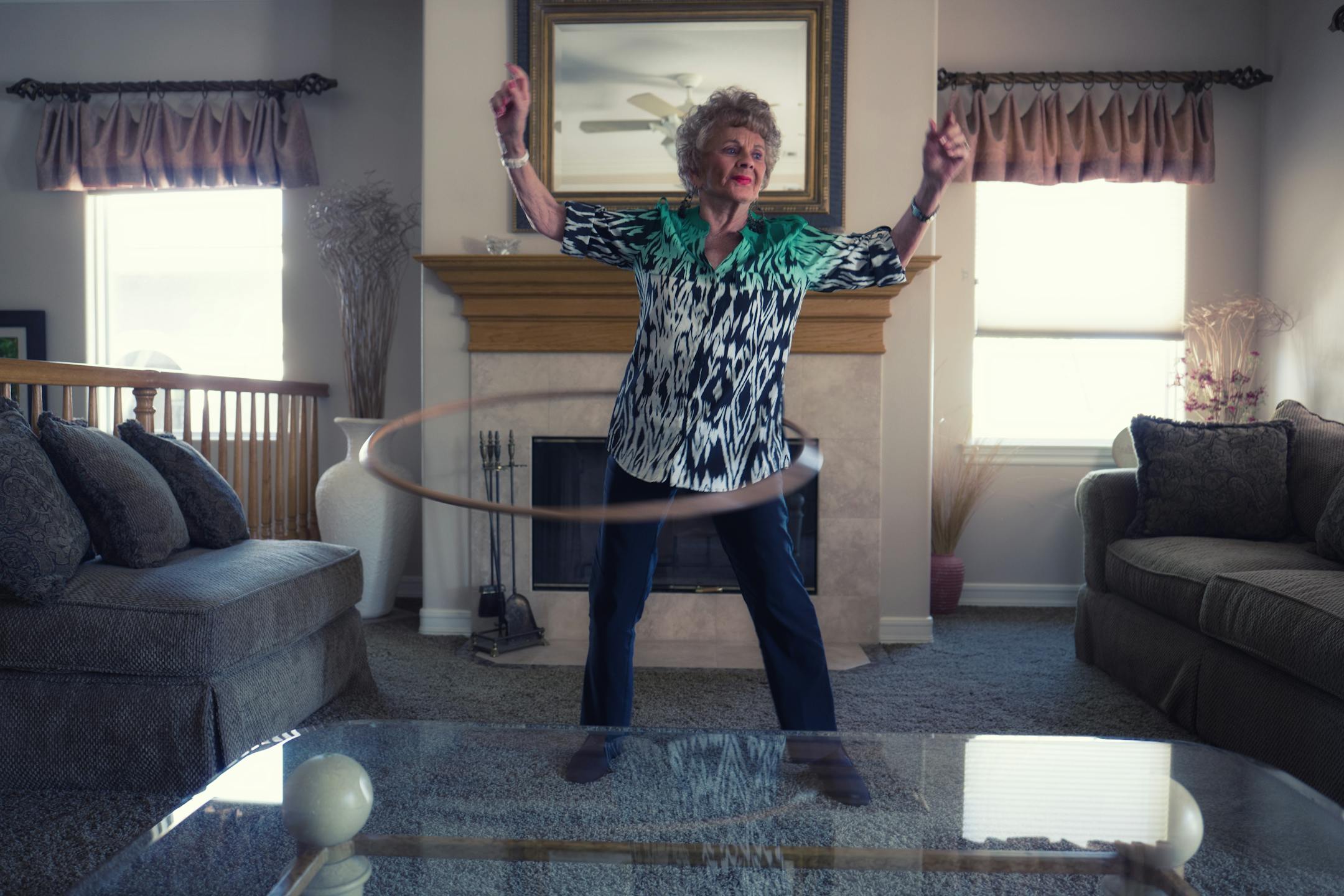
Joan Anderson at her apartment in 2018.  (Courtesy of Amy Hill and Chris R)
Advertisement

In 1956, Joan Anderson, a Los Angeles housewife and onetime model, flew to Australia, her home country, to visit her parents. When she arrived, she realized that a curious fitness craze had taken hold.

“Everywhere I would go, everybody was giggling,” Anderson said in “Hula Girl,” a 2018 documentary. “I asked what was going on and they said, ‘Oh, everyone’s doing the hoop.’”

The “hoop,” she discovered, was an exercise ring, made of wood, that was swiveled around the waist and hips.

“Everyone was having such fun,” she added, “I thought, ‘I’d like to do that, too.’”

When she got back to Los Angeles, Anderson asked her mother to send her one of the rings, and it soon brought joy to the Anderson household.

Her children played with it. Anderson swerved it around her hips for friends at dinner parties. When someone told her that it looked as if she was “doing the hula,” the traditional Hawaiian dance, Anderson was struck with inspiration.

She named the object the Hula Hoop.

What transpired next would place Anderson at the center of what she described as an American tale of shattered dreams and promises, a business deal made on a handshake, and, eventually, a lawsuit.
Advertisement

Anderson died July 14 at a nursing facility in Carlsbad, Calif. She was 101. Her daughter, Loralyn Willis, announced the death.

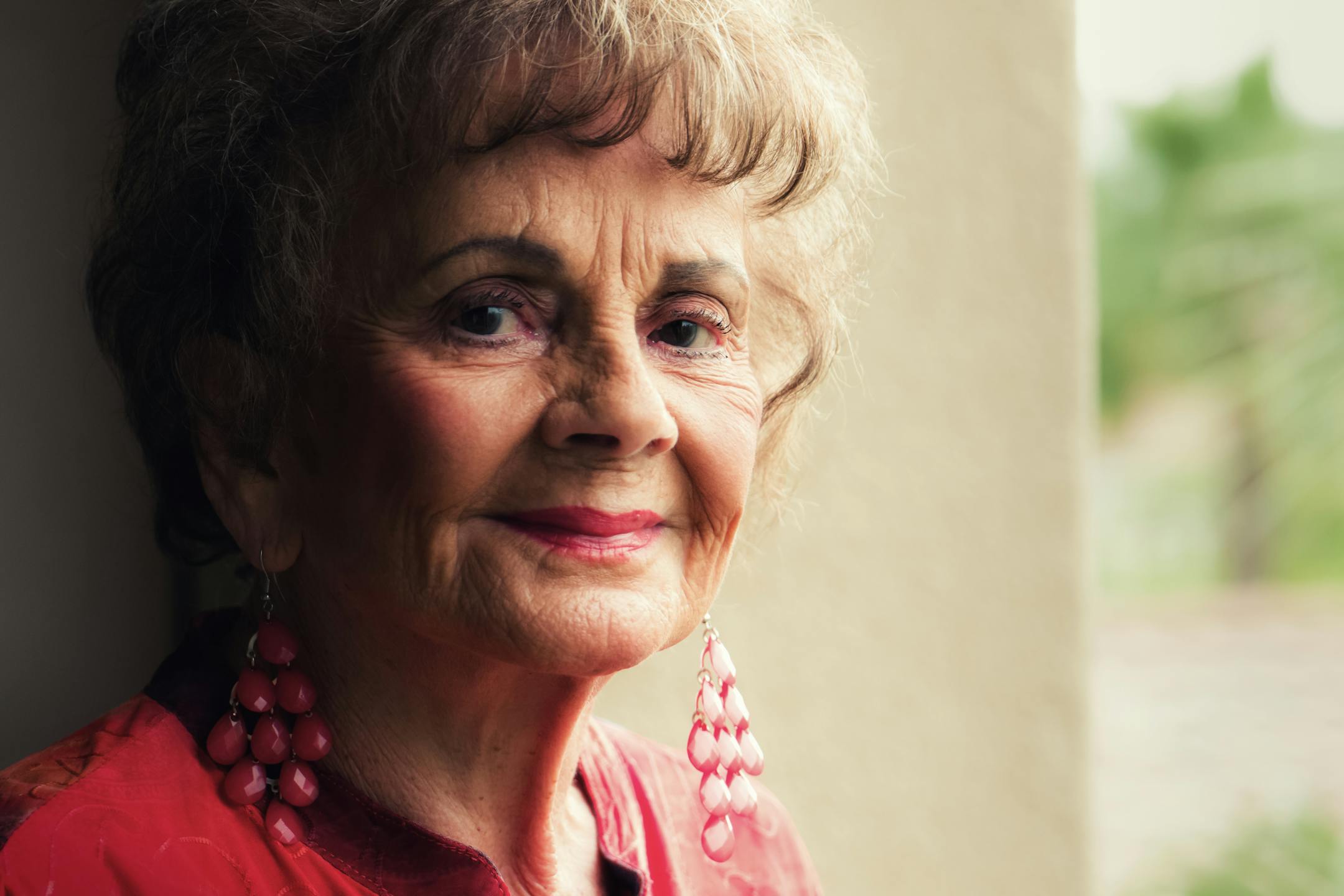
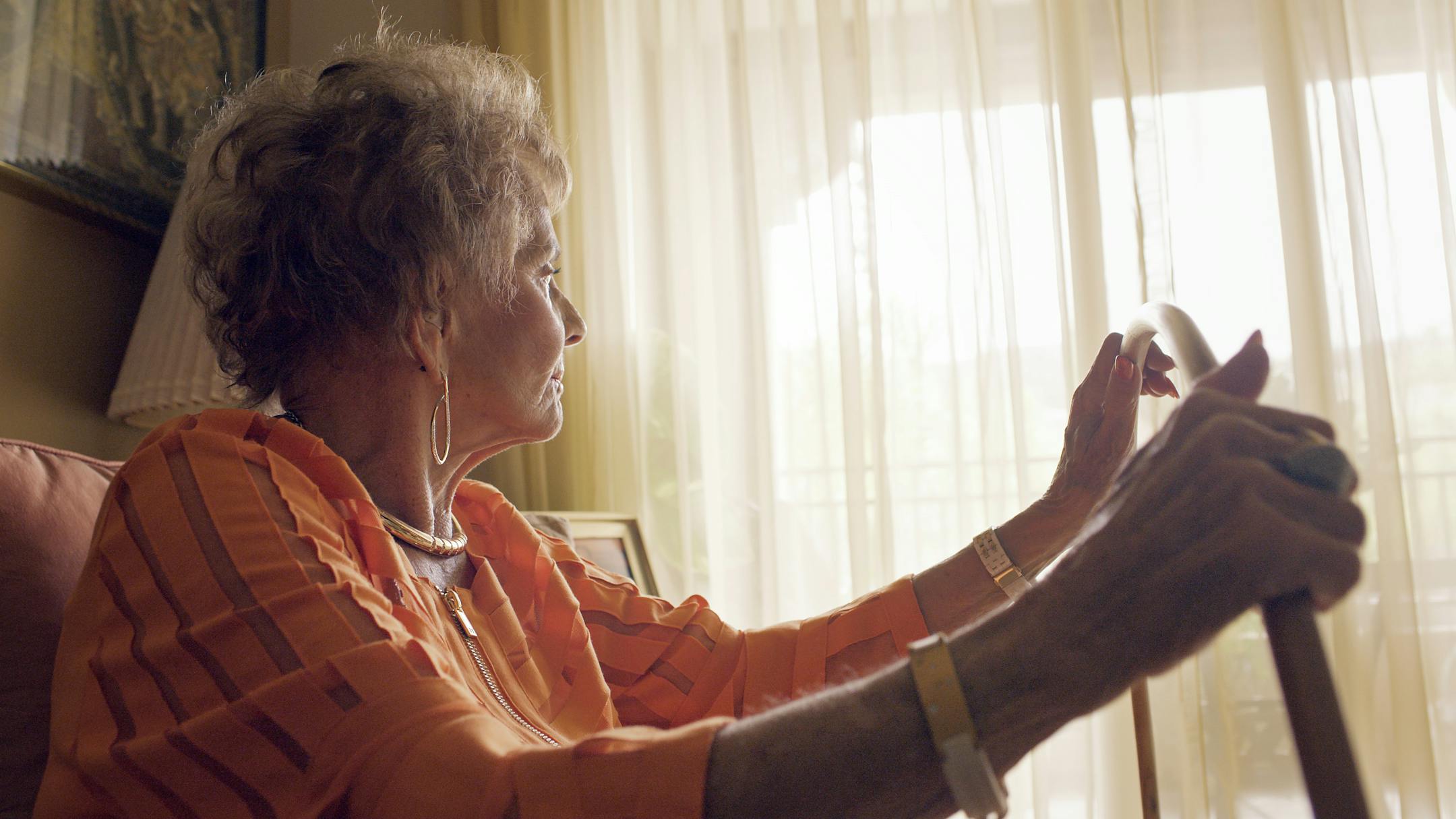
Joan Anderson at her apartment in 2018.  (Courtesy of Amy Hill and Chris R)

The hubbub over the hoop started when her husband, Wayne, saw opportunity in the object and decided to pitch it to Wham-O, a toy company that soon became known for the Frisbee. He was acquainted with one of Wham-O’s founders, Arthur Melin, known as Spud, so he arranged a meeting.

The encounter, she recalled, occurred in a parking lot outside Wham-O’s offices in San Gabriel, Calif.. The Andersons opened up the trunk of their car and took out the hoop.

“There were no witnesses,” Anderson said in the documentary. “Just Spud and my husband and myself.

“We told him, ‘We’ve called it the Hula Hoop,’” she continued. “He said: ‘Looks like it has some merit. If it makes money for us, it’s going to make money for you.’”

The deal was sealed with what Anderson characterized as a “gentleman’s handshake” and nothing more.

Advertisement

Wham-O began experimenting with the hoop, developing a plastic version of it and trying it out on children at an elementary school. The company also started giving them away to generate buzz.

By the time Wham-O had trademarked the name and started selling the hoop, lines were forming outside department stores.

As the popularity of the Hula Hoop grew, Anderson said, she and her husband heard less and less from Melin.

“We called Spud and asked him what was going on, and he kept putting us off,” she said. “Then they just ignored us.”

The hoop quickly became a national sensation. From Anderson’s home in the suburbs of Monterey Park, Calif., she watched as newspapers landed on her porch with headlines like “Hula-Hoop Sales Soar to $30 Million in 2 Months.”

Over the years, stories about Wham-O’s success sometimes spoke of a “friend” visiting from Australia who first told the company about the hoop.

Advertisement

“I think that bugged me more than anything,” Anderson said. “It was never reported correctly at all. I was not a ‘friend.’”

In 1961, the Andersons filed a lawsuit against Wham-O. But the company presented records demonstrating its own woes. Just as quickly as the Hula Hoop sensation took off, it swiftly ended, entering the annals of American fads. Wham-O was left with heaps of unsold hoops and argued that it had not made a profit after production costs.

The case concluded in a settlement, and the Andersons walked away with just a few thousand dollars.

“We often talked about the money we could have made from it and maybe changed our life a little bit,” Anderson says in the documentary, “but it didn’t work out that way.

“The world isn’t fair. But life goes on.”

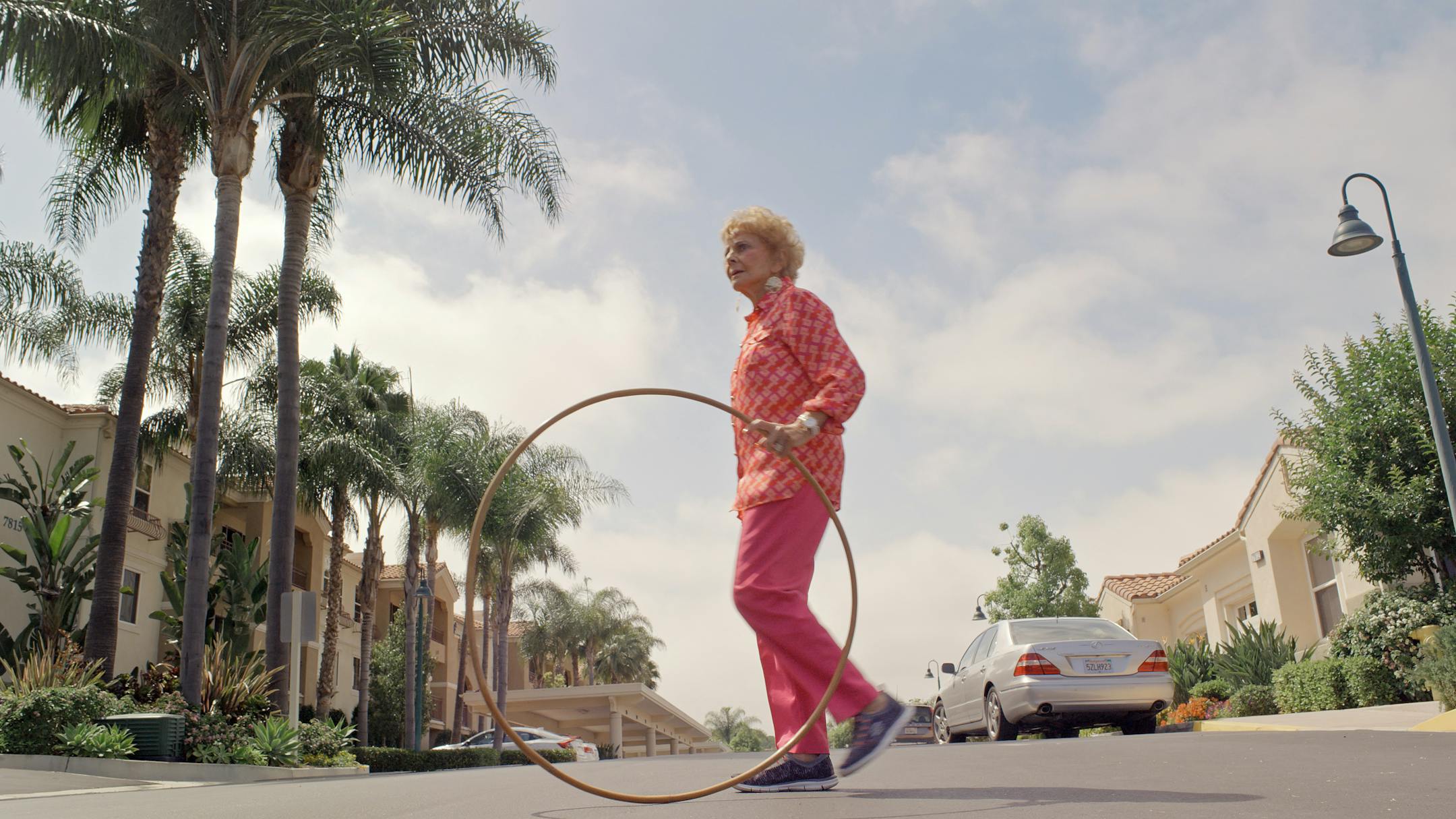
In a scene from the documentary “Hula Girl,” Joan Anderson walks through La Costa Glen, the retirement community near San Diego where she lived, with the hoop that her mother sent her from Australia. The hoop would play a little-known role in pop-culture history. (Courtesy of Amy Hill and Chris R)

Small person, big impact

Joan Constance Manning was born Dec. 28, 1923, in Sydney, Australia, to Claude and Ethel Manning. Her father was a real estate broker.

Advertisement

As a young woman, Joan was a swimsuit model known as the “Pocket Venus” because she was just 5 feet 2 inches tall. In 1945, Wayne Anderson, a U.S. Army pilot on leave from duty, approached Joan on a beach. They married a few months later and moved to California. Anderson, who went on to run a prosperous woodwork machine manufacturing business, died in 2007.

In addition to her daughter, Loralyn, Anderson is survived by two sons, Warren and Gary, and six grandchildren. Another son, Carl, died in 2023.

Over the years, Anderson’s brush with Hula Hoop history faded into family lore. But fate intervened in 2016, when Anderson’s daughter was recounting the story to co-workers while dining at a restaurant. At a table nearby, eavesdropping, was the mother of Amy Hill, a filmmaker. She asked for Anderson’s telephone number and passed it along it to Hill.

Intrigued by the tip, Hill began vetting the story with her husband and collaborator, Chris Riess. They decided to pursue the project and interviewed Anderson.

The resulting documentary, “Hula Girl,” premiered at the Tribeca Film Festival in 2018. At 94, Anderson flew to New York to promote the film, and a writer for Vogue interviewed her for an article. The documentary later was shown at the Sydney Film Festival.

It also was screened for Anderson’s fellow residents at the senior center where she lived. Her friends watched in fascination as they learned about her connection to the famous hoop.

In her apartment, she kept the original wood hoop that her mother had mailed to her from Australia, although it mostly sat collecting dust.

“I do it once in a while for exercise,” she said, “but not as much as I should.”

Joan Anderson hula-hooping at her apartment in 2018.  (Courtesy of Amy Hill and Chris R)
about the writer

about the writer

Alex Vadukul

New York Times

More from Nation

See More
card image
Advertisement