

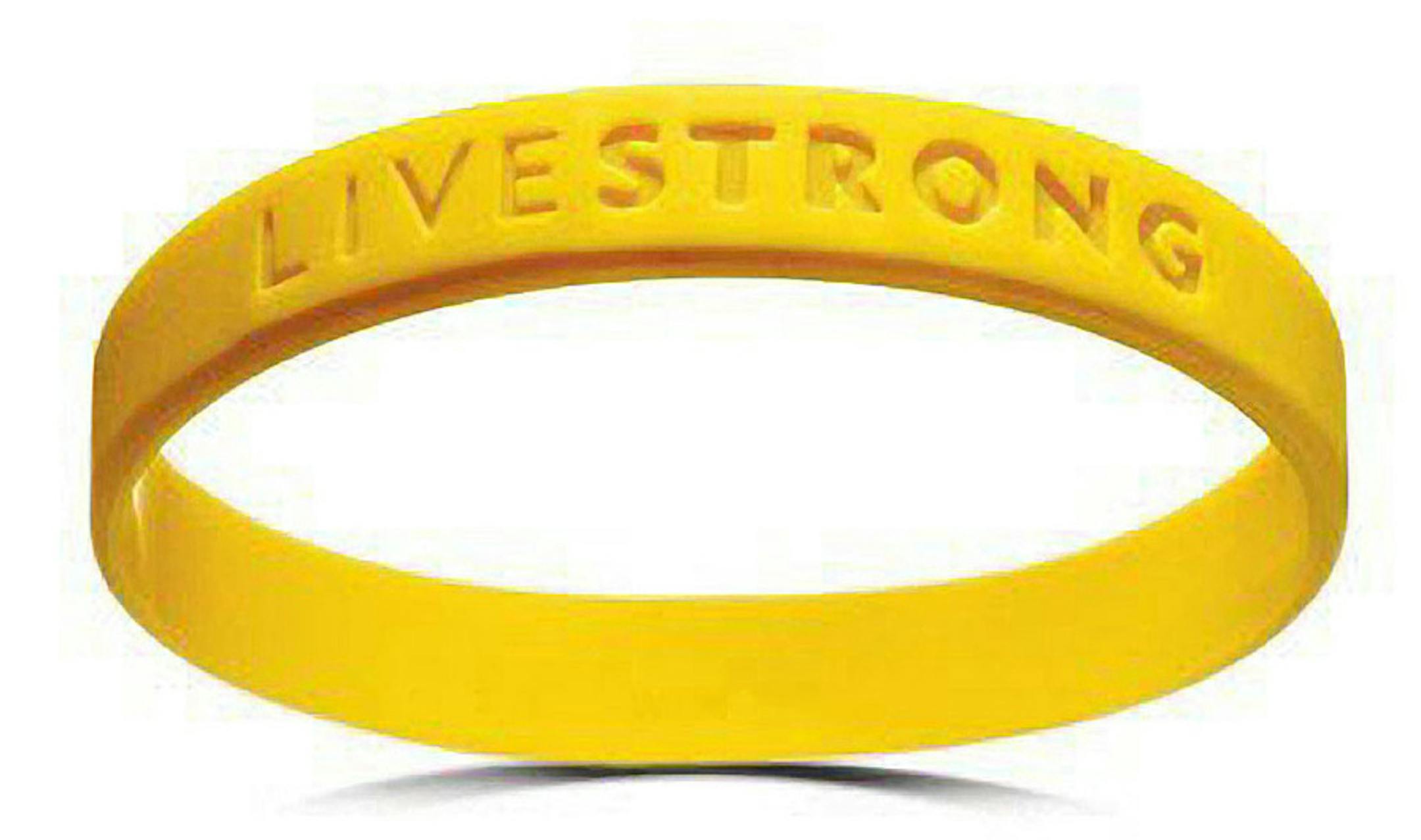
On Jan. 4, 2009, my younger brother Jim died after surviving for over 10 years with an inoperable brain tumor. I believe one of the reasons Jim lived as long as he did was due to the inspiration and support of Lance Armstrong and the LIVESTRONG Foundation.
Jim was diagnosed with a grade II Oligodendraglioma in 1998. The good news was that it was slow-growing, so we believed we had some time. The bad news was that there were few treatment options available. Jim underwent radiation and prayed it would keep the tumor at bay until new treatments were available.
Jim's first experience coping with his new reality was to attend a brain tumor support group. The group talked about dying — but Jim didn't want to die from cancer; he wanted to live with cancer.
In 2000, Jim heard the story about Lance Armstrong, an elite athlete who had beaten advanced testicular cancer and started a foundation focused on survivorship. An endurance athlete himself, Jim could relate to Lance. In 2001, Jim traveled to his first Ride for the Roses event in Austin, Texas, beginning a decadelong relationship with some amazing people.
LIVESTRONG changed the conversation about cancer to living and surviving — filling the void with programs for survivorship, navigating the medical process, the importance of getting second opinions, the financial implications of cancer, the impact on family and caregivers.
LIVESTRONG provided the outlet Jim was seeking. It gave him and other cancer survivors a reason to fight, to push on, and opened Jim's eyes to clinical trials and emerging treatments. LIVESTRONG gave us a feeling of possibility and provided us a platform for advocacy.
During my first year at the Ride for the Roses with Jim in 2003, I saw firsthand the breadth and depth of the foundation through the sheer number of survivors and caregivers, inspired and hopeful, fighting the disease, encouraging one another.
In 2004, the foundation and Bristol-Myers Squibb cosponsored the Tour of Hope, a bicycle ride across America to raise awareness about the importance of clinical trials, which few participate in. Jim was one of 20 team members selected from 1,200 applicants. Four teams rode relay style with Lance from Los Angeles to Washington, D.C., over eight days. Each team rode almost 1,000 miles, taking turns riding, sleeping and eating while stopping along the way at cancer centers to pass on the message of hope and survivorship. It was a powerful experience that helped Jim discover his voice of inspiration and support.


