

Why can't Thanksgiving happen on Friday?
Yes, I know: tradition. The Pilgrims pushed back from the table, satiated with viands and heavy breads and rabbit pudding, adjusted the buckles on their hats, and said, "It's been a marvelous interval of gratitude, but we must now retire, for tomorrow we return to our labors, as we must."
Whereupon Dame Persock said, "Work if you must, John Parsons, but I intend to rise at dawn to hie me to the stores, that I may partake of the fine deals on lamp wicks and sewing needles. Why, 'tis Black Friday."
Whereupon someone else rose and accused Dame Persock of consorting with the devil, what with all this talk of Black days and deals, and the meal ended in acrimony. Just like today, if someone brings up politics.
When I was a kid, the legend was fact: The Pilgrims sent out invitations to dinner, guests showed up with a relish tray, everyone made merry and feasted, and then the menfolk went into a hut and told stories about the Lions of Detroit who ran around with an oddly shaped ball.
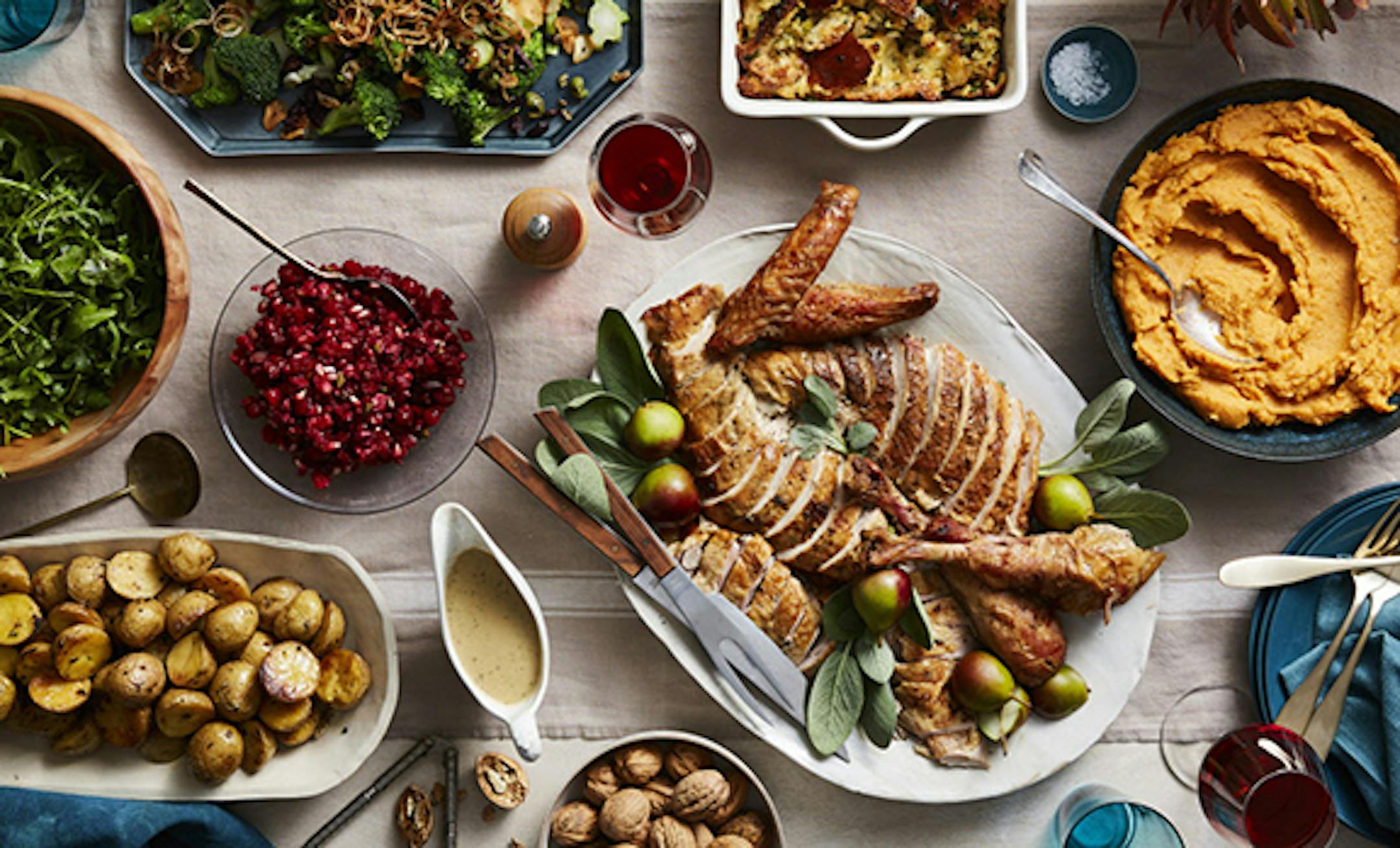
But we've no idea when the first Thanksgiving really took place. It could have been a Monday in September. And there's no evidence they ate turkey. They could have been eating lobster on the second Monday in October, or gnawing on deer shanks the first Friday in December. We just don't know.
The holiday falls in November because in 1789, George Washington issued a decree calling on everyone to celebrate "a public day of thanksgiving" on Nov. 26, a Thursday. I hate to go against the Father of Our Country, especially since he had wooden teeth and probably had to ingest a turkey smoothie, but six years later he also declared a day of thanksgiving to be held on Feb. 19, 1795. Granted, that also was a Thursday, but if the November part is malleable, surely the day could change a little.
Ensuing presidents were at their whim to declare a thanksgiving — or not, in the case of Thomas Jefferson, who apparently hated football — until Abraham Lincoln made it a standing federal holiday in 1863.


