

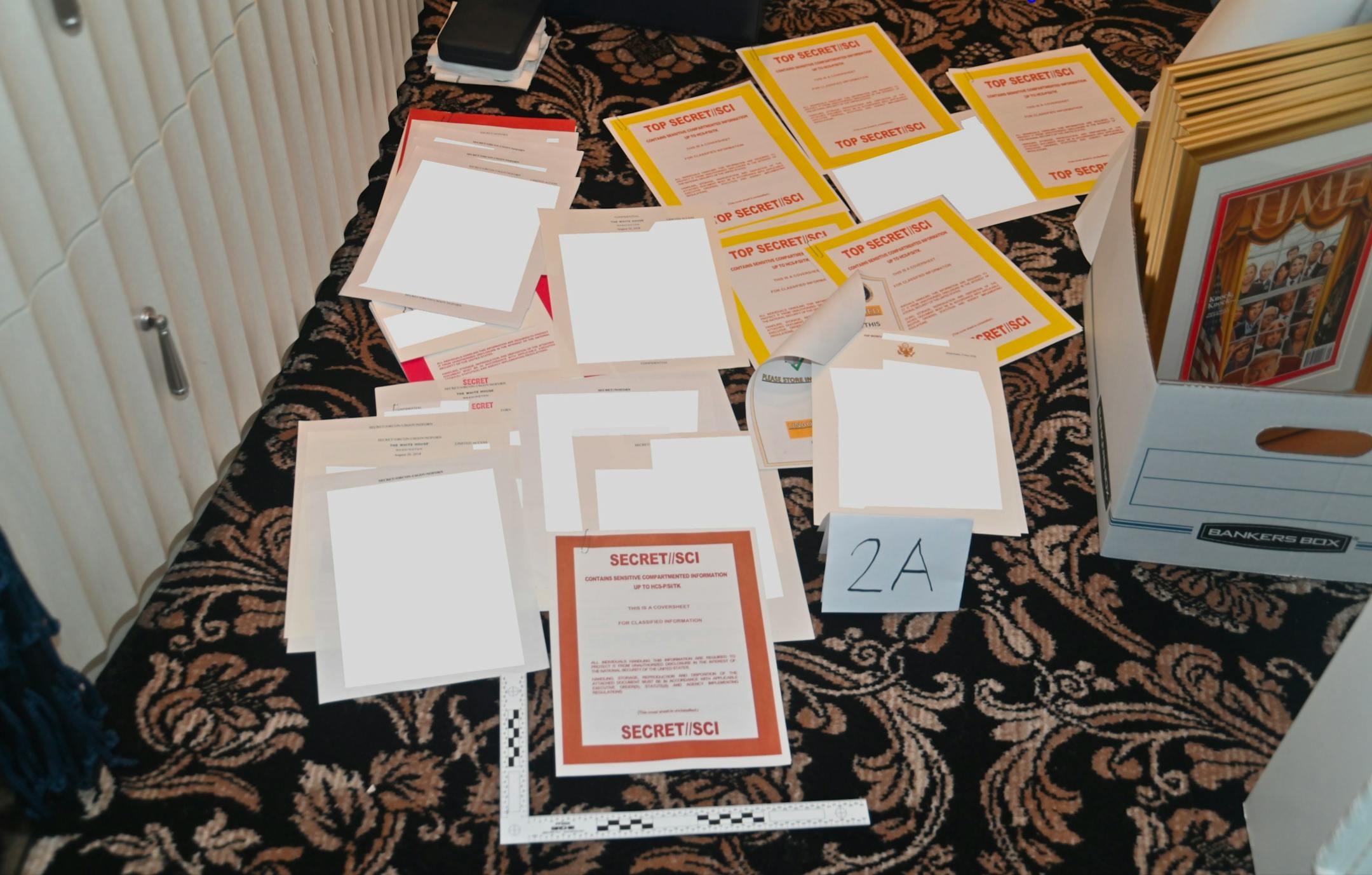
Some of the classified documents recovered by the FBI from Donald Trump's Mar-a-Lago home and private club included highly sensitive intelligence regarding Iran and China, according to people familiar with the matter. If shared with others, the people said, such information could expose intelligence-gathering methods that the United States wants to keep hidden from the world.
At least one of the documents seized by the FBI describes Iran's missile program, according to these people, who spoke on the condition of anonymity to describe an ongoing investigation. Other documents described highly sensitive intelligence work aimed at China, they said.
Unauthorized disclosures of specific information in the documents would pose multiple risks, experts say. People aiding U.S. intelligence efforts could be endangered, and collection methods could be compromised. In addition, other countries or U.S. adversaries could retaliate against the United States for actions it has taken in secret.
The secret documents about Iran and China are considered among the most sensitive the FBI has recovered to date in its investigation of Trump and his aides for possible mishandling of classified information, obstruction and destruction of government records, the people said.
The former president has denied wrongdoing in having the documents at Mar-a-Lago, claiming in a recent television interview that he declassified any documents in his possession, and that a president can declassify information "even by thinking about it."
A Trump spokesman did not immediately respond to requests for comment Friday morning.
Some of the most sensitive materials were recovered in the FBI's court-approved search of Trump's home on Aug. 8, in which agents seized about 13,000 documents, 103 of them classified and 18 of them top secret, according to court papers.
Those papers were the third batch of classified documents recovered in the course of the investigation. Boxes voluntarily sent from Mar-a-Lago to the National Archives and Records Administration earlier this year were found to contain 184 classified documents, 25 of which were marked top secret, according to court records. In June, Trump's representatives responded to a subpoena by giving investigators 38 additional classified documents.


