

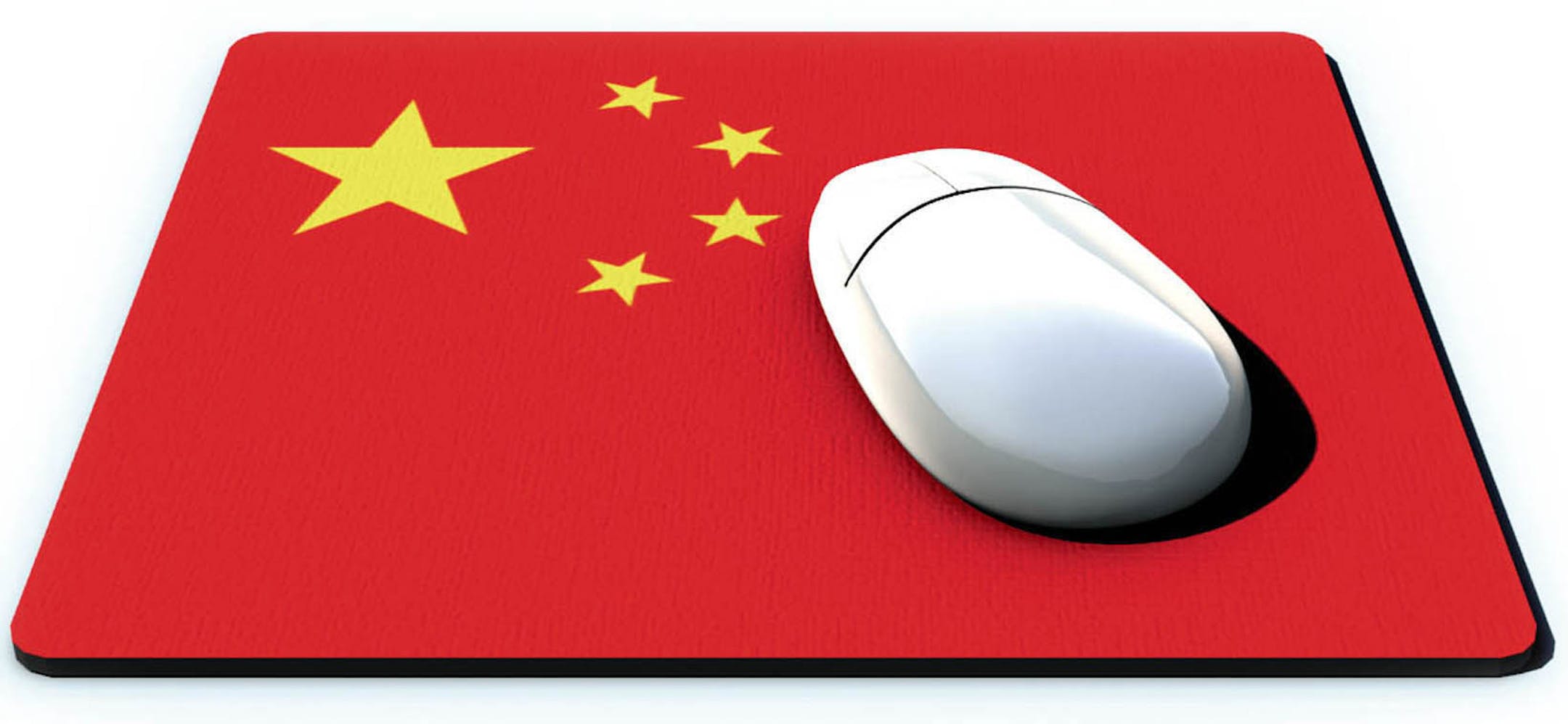
The 25th anniversary of Tiananmen Square was big news worldwide last June. Except, unfortunately, in China, where the prodemocracy protests and subsequent government massacre actually took place. There, domestic media muted the commemoration. And Chinese turning to the World Wide Web for a global perspective were likely stymied, too — especially if they turned to Google, which was widely blocked.
Beijing's quest to control the search engine is just the latest episode of an ongoing saga: Previous censorship issues led Google to move its search operations to Hong Kong in 2010.
But blocking — as well as strategically deploying — the Web isn't just a domestic dynamic, but also an extension of China's foreign policy, which is the subject of this month's Minnesota International Center's "Great Decisions" dialogue.
It's also among the issues likely to come up next Wednesday when Ben Blink, senior public policy analyst at Google, speaks at the Humphrey School of Public Affairs. His talk, "Google: Freedom and Power in the Digital Age," is intended to address the need for a more open Internet, Blink said in an interview. Filtering and censorship technology is "censorship 1.0," said Blink. "Censorship 2.0" is criminalizing certain speech, regulating bloggers or citizen journalists, and twisting well-intended laws on issues like child safety and national security in order to restrict speech.
The Web, Blink said, "has given people all over the world unprecedented power to share opinions, ideas and information, which has really shifted the dynamic between citizens and their leaders. But nearly a third of people live in countries where there is substantial and pervasive filtering of the Web. And governments are doing more and more to regain power over that information."
China, for instance, which has long sought to staunch news narratives challenging the government, appears to have ramped up its press suppression, according to Bob Dietz, coordinator for the Committee to Protect Journalist's Asia Program. Via e-mail from Hong Kong, Dietz observed that "In the long run, we have seen cycles of media freedom in China. Under the Xi [Jinping] government we're seeing an intense effort to curtail media, and this one looks like it might last a while."
The State Department documented similar dynamics in its 2013 Human Rights Report. China, which it calls an authoritarian state, "implemented new measures to control and censor the Internet and particularly targeted bloggers with large numbers of followers, leading some to close online accounts."
The crackdown's endurance may be partly due to observing the disunion of the Soviet Union, according to Douglas H. Paal, vice president for studies at the Brookings Institution.


