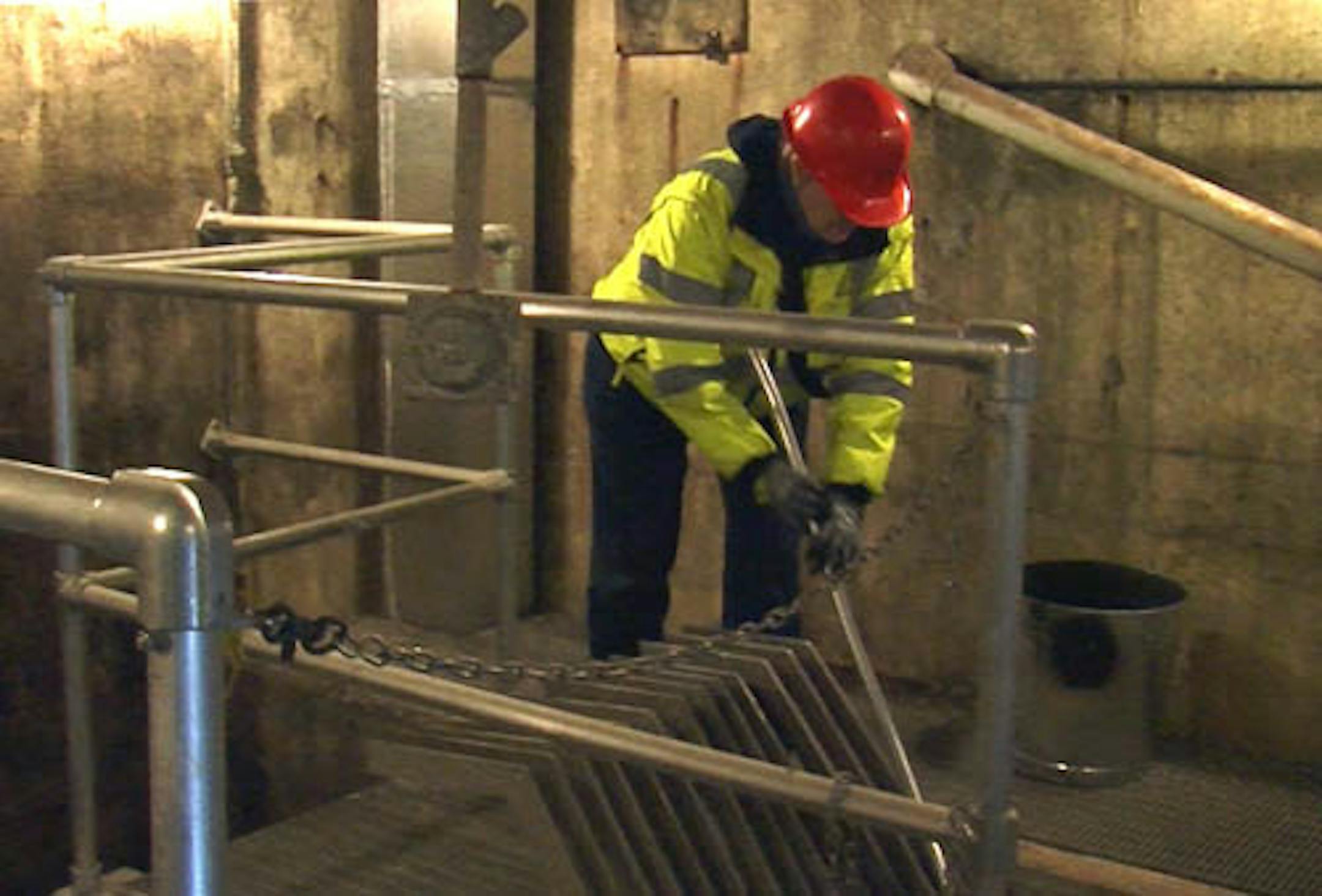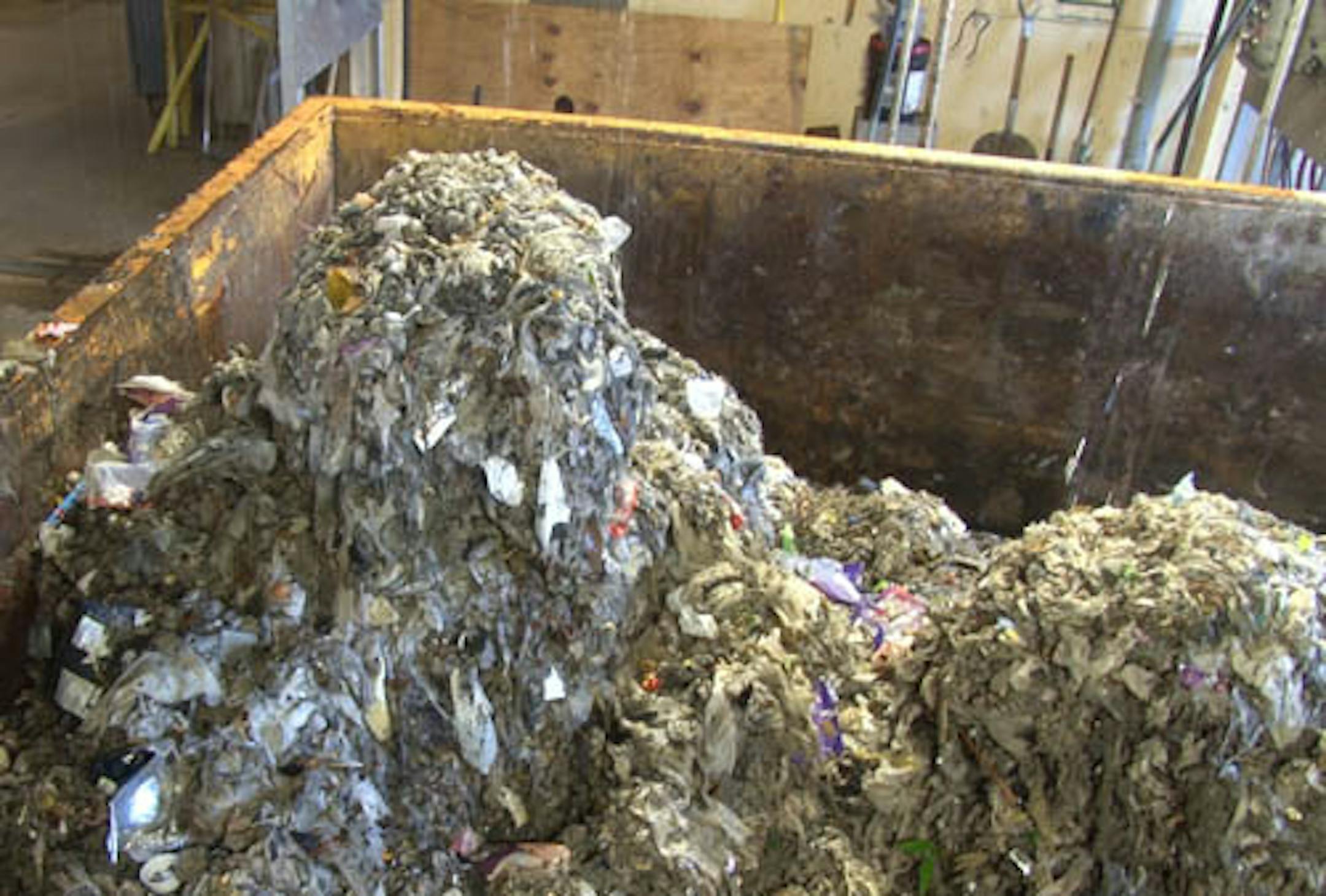
Crews working in the bowels of the Twin Cities metro area's vast sewage system are "spending a significant amount of time" removing "flushable" wipes from water treatment equipment, the facilities' operators are reporting.
The Metropolitan Council Environmental Services (MCES) said Wednesday it now devotes a weekend's worth of crew time solely to extracting these materials from sewer screens to keep pumps and pipes clog-free. The regional agency is joining other communities in Minnesota and nationwide in voicing frustration with the widely used wipes and other personal hygiene materials being flushed down toilets.
"If you can throw it in the trash, don't throw it down the toilet," Tim Keegan, manager of interceptor services, said in a lengthy online posting by MCES, which included photographs to illustrate the point. "It's difficult to quantify, but we are spending a significant amount of time and money removing wipes and other non-flushable materials from regional sewers."
The usage of wet wipes has spread far beyond babies' bums in recent years, with adults finding them more effective than dry toilet paper. Nursing homes, hospitals and classrooms are also common locales for the use of wet wipes by the non-baby diaper set.
Along with wipes that are not dissolving in the sewer pipes, MCES crews are also finding rags, grease, oils, sanitary products and dental floss gumming up the works as 250 million gallons of wastewater is treated each day from more than 100 communities in the metropolitan area.
Dental floss not only doesn't dissolve, it can easily wrap around other materials and create a larger mass of obstruction, Keegan said.
"We know people will accidentally drop things down the drain — jewelry, small toys, cellphones, wallets, and the like," he said. "But we are trying to reduce the materials that are put down the drain on purpose."
Across Minnesota and the country, cities have been cautioning residents not to flush wipes, which have forced them to boost their monitoring and buy expensive grinders.