

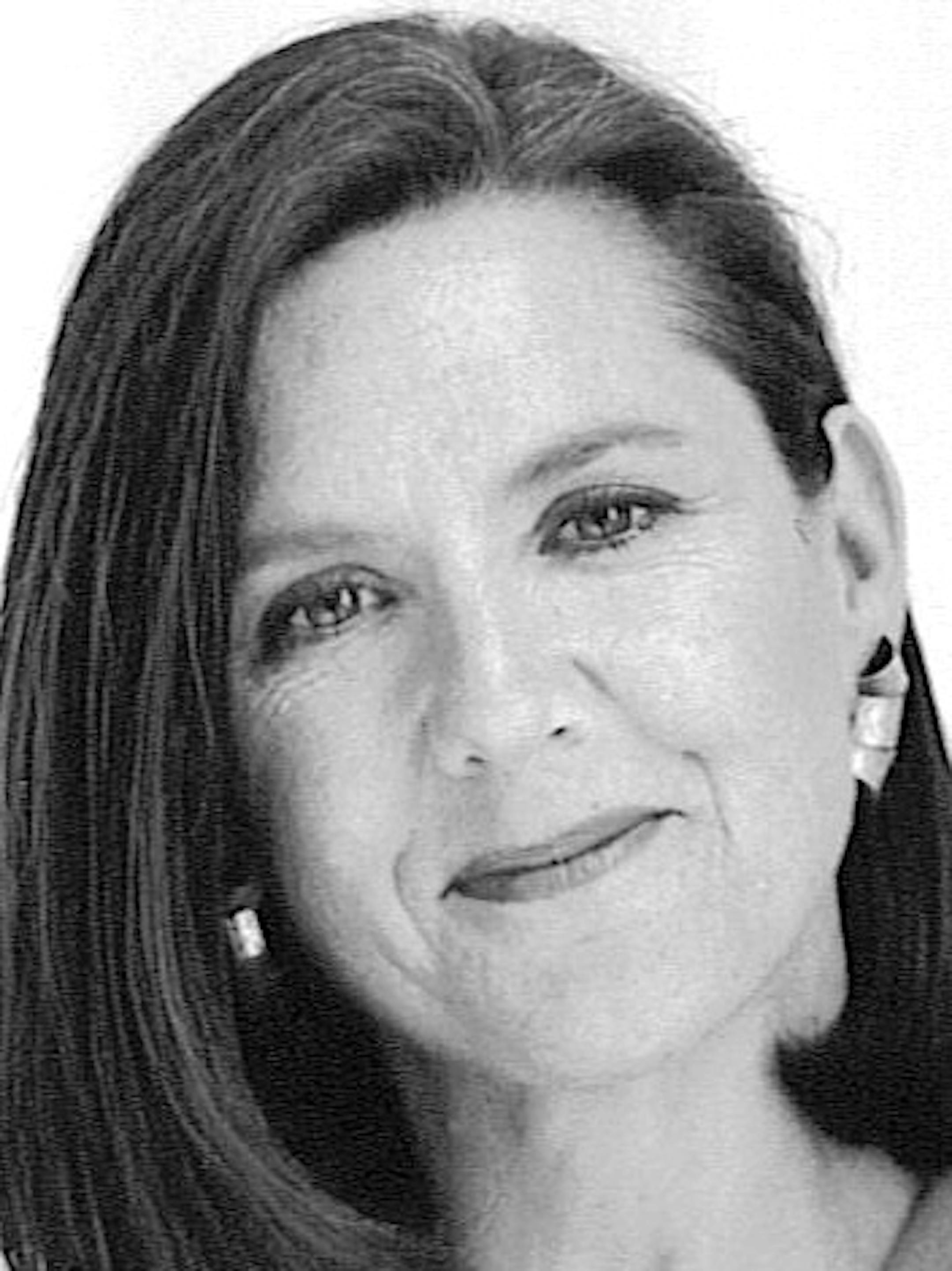
Patricia Weaver Francisco is a writer, mother, speaker and teacher. Challenged to "read the newspaper someday as a woman," she's had a lot to say ever since. She is the author of three books, including "TELLING: A Memoir of Rape and Recovery" (HarperCollins), which received the Minnesota Book Award and was called "required reading" by the American Psychological Association.
Francisco's other work includes a novel "Cold Feet," (Simon & Schuster), a book of essays ("Village Without Mirrors," with photographer Timothy Francisco, Milkweed Editions), and two plays, "Sign of a Child" and "Lunacy." She is an associate professor at Hamline University in St. Paul where she teaches in both the Masters of Fine Arts program in creative writing and the Masters of Liberal Studies program.
Francisco speaks nationally about sexual violence and the growing movement to prevent it. She is a founding member of Arts Action Against Domestic Violence (The Silent Witness Project) and serves on the Public Policy Advisory Committee for the Minnesota Coalition Against Sexual Violence. She also co-chairs a committee of the Minnesota Department of Health's Sexual Violence Prevention Plan.
Born and raised in Detroit, she reports that it was Bob Dylan, Governor Wendell Anderson on the cover of Time, and hand-harvested wild rice that brought her to Minnesota. Despite her hatred of weather in general and winter in particular, she's still happily here.
More about Patricia Weaver Francisco
March 3, 2009 at 7:47PM

about the writer

It’s too soon to tell how much the immigration crackdown is to blame.
