

Local venture capitalists and fund managers have been quietly urging Gov. Mark Dayton's administration to embrace a privately financed and operated equity fund capitalized by large Minnesota financial institutions, foundations and pension funds that would invest mainly in small-but-promising Minnesota companies.
The idea first surfaced in a 2011 task force report to Dayton on ways to accelerate the economic recovery at a time when bank lending to small businesses was still contracting.
The discussion has revived lately as Minnesota witnesses year-over-year declines in venture funding to early-stage companies.
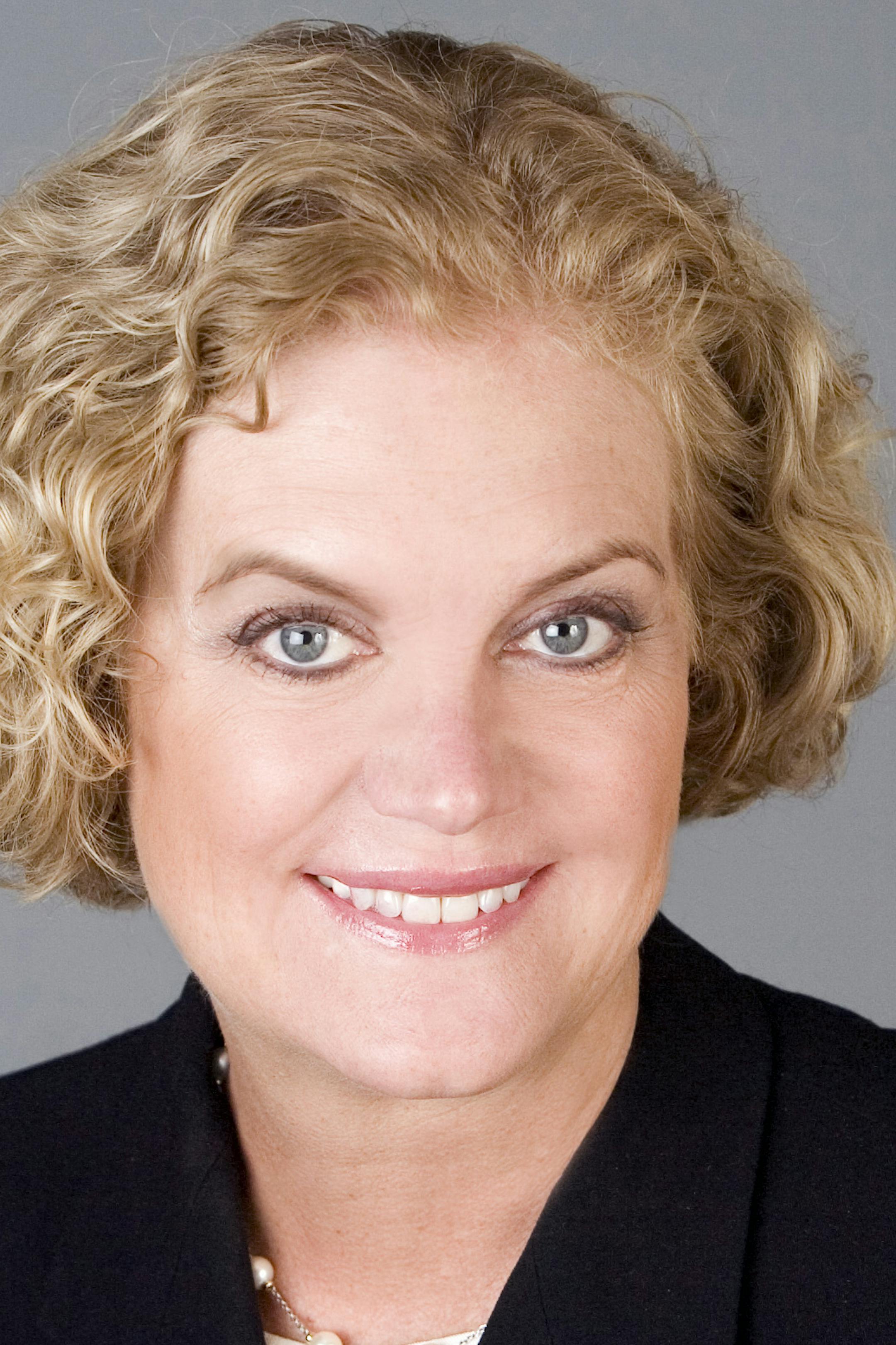
"We need the private sector to lead on this," said Leslie Frecon, whose 13-year-old LFE Capital is known for its Minnesota-dominated portfolio of private investments in small, growing companies and solid returns to initial investors. "There exists a capital scarcity for early-stage companies that need smaller amounts of capital and access to resources, to grow and become successful businesses. We can leverage our history of building partnerships. We know how to do this and we shouldn't wait until we have a crisis — like Michigan did."
The idea would be for flagship Minnesota institutions, such as U.S. Bancorp, Thrivent Financial and Ameriprise, to perhaps pledge several million dollars each, followed by foundations and perhaps affluent individuals. A fund-of-fund manager, operating under agreed-upon guidelines, would disburse the money to Minnesota and other private equity and venture capital managers.
Kathy Tunheim, a Bloomington business owner and volunteer adviser to Dayton on economic development, said she expects the Dayton administration to come together with interested parties and announce an initiative within 90 days.
"I'm thrilled to death on behalf of the governor to have Leslie and the others looking at this," Tunheim said. "Leslie is not asking [the Legislature] to appropriate anything. We've done some things, but the small-business people say there's still too little capital, and the banks are saying they have to do only 'bankable deals.' We'd better figure out what to do or we'll be behind the 8-ball."
The industry has talked for months, but no plan has emerged. The governor's endorsement and his phone calls to the state's largest bastions of capital would give the movement a push and clout. Moreover, some of the investment managers have suggested that the state, likely through the multibillion-dollar state pension funds and other investable assets, might match private investments at, say, 25 cents on the dollar after a certain amount of private capital is raised.



