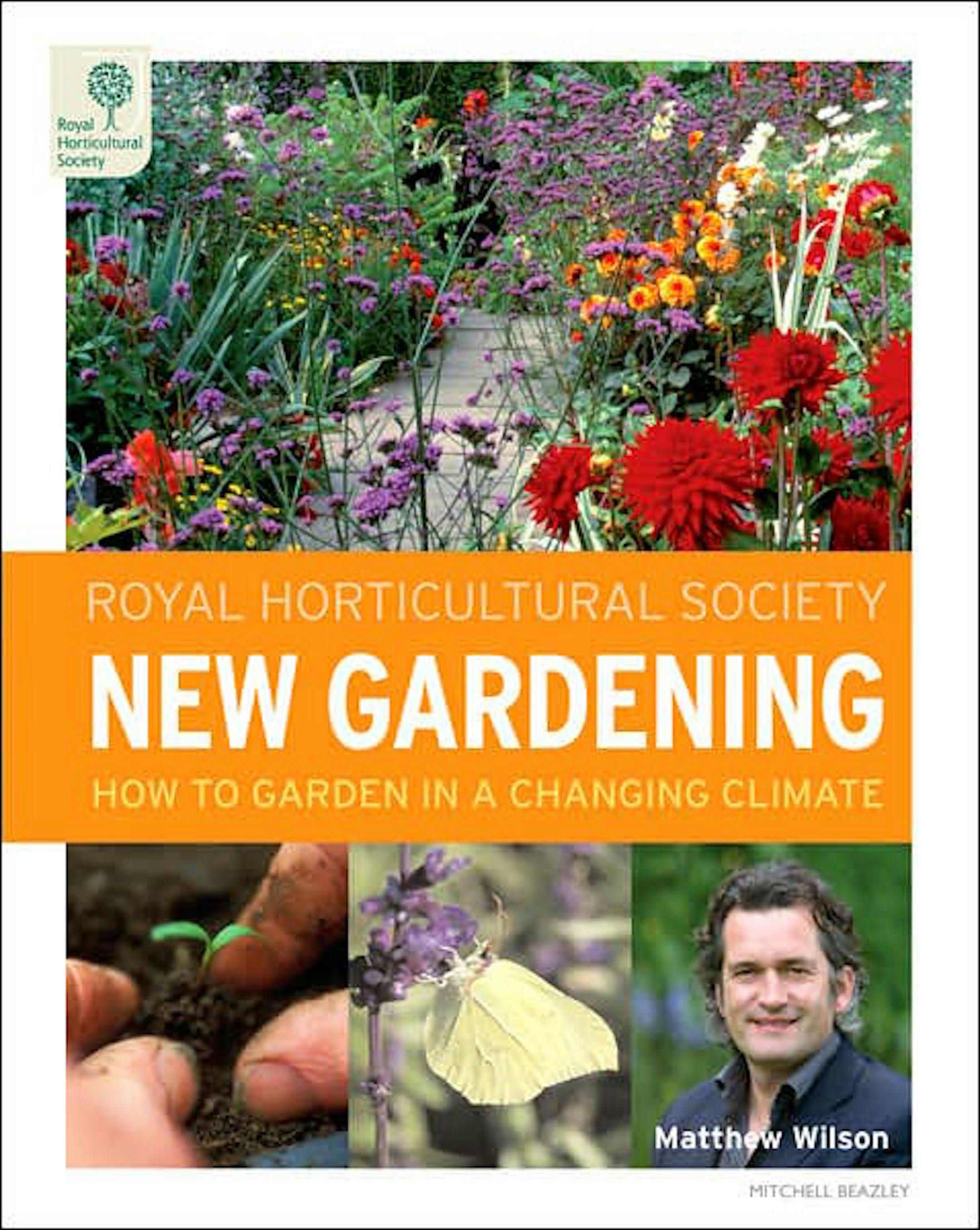
Global gardening The G word ("global warming") isn't mentioned in the introduction to the Royal Horticulture Society's "New Gardening: How to Garden in a Changing Climate" (Sterling Publishing Co., $24.95). But its impact is assumed in author Matthew Wilson's plea for environmentally friendly gardening.
"Sustainable gardening doesn't mean a loss of quality or beauty," he writes. But it does call for a new aesthetic, one that sees beauty in rambling wildflowers rather than neat, pristine rows of high-maintenance plantings.
The book's content is well-organized, with chapters on creating a microclimate, soil improvement and maintenance, re-use and recycling, composting, attracting wildlife and creating "alternate lawns," such as herbs or sedum. "New Gardening" has a decidedly British accent, filled with examples from the United Kingdom and a diagram showing the "Chelsea Chop" method to enhance flowering. And there's no mention of USDA zones, of course, so it's difficult to determine which of the plants suggested might actually thrive here. Still, the lavishly illustrated book is a handsome addition to the green-minded gardener's library. Where else could you find tips for creating a turf-covered "green sofa"?
KIM PALMER
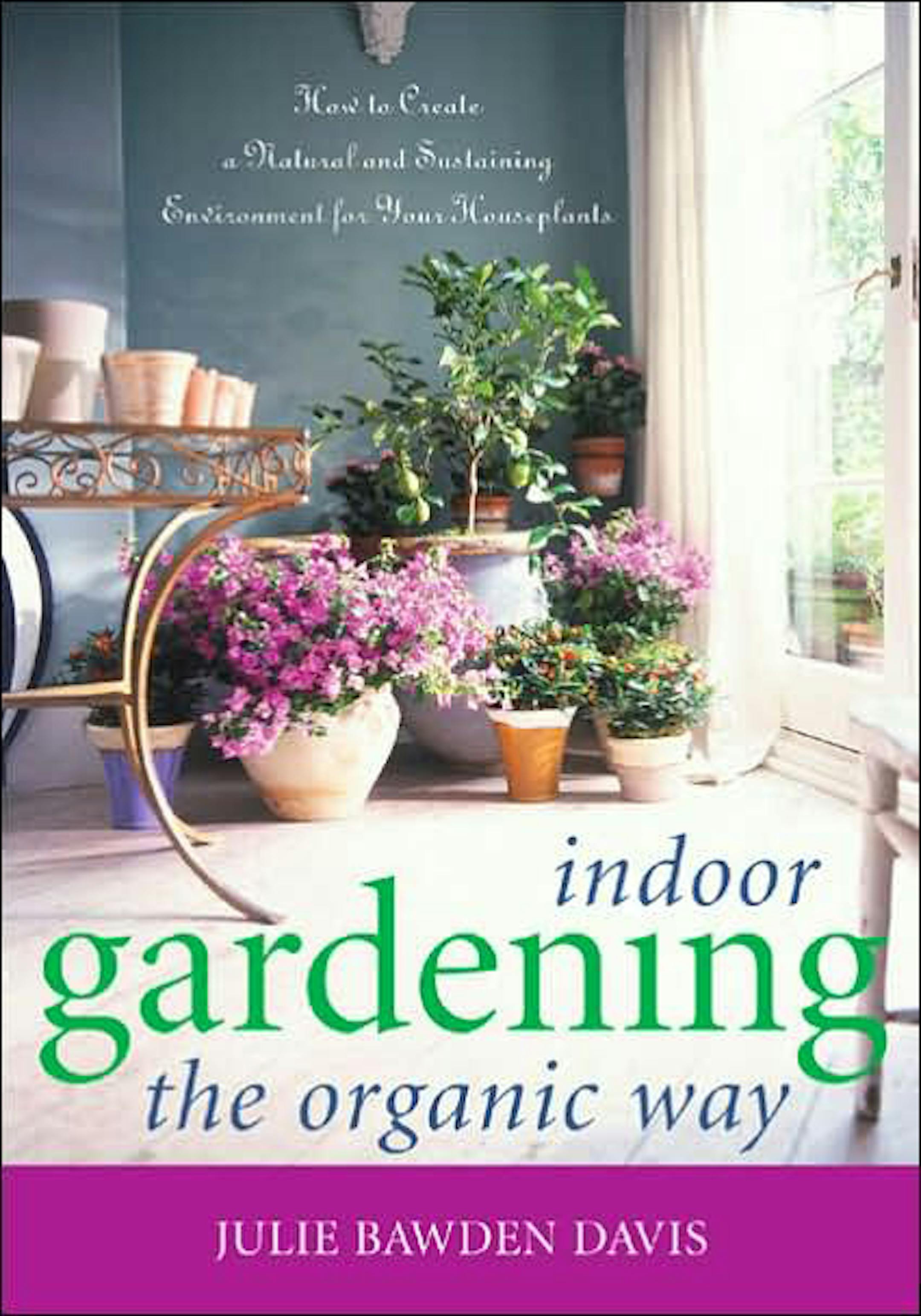
Growing green indoors Julie Bawden-Davis, author of "Indoor Gardening the Organic Way: How to Create a Natural and Sustaining Environment for Your Houseplants" (Taylor Trade, $19.95), wants you to put down that bottle of pesticide and pick up her book.
Bawden-Davis, a former gardening columnist for the San Francisco Chronicle, takes the concept of organic gardening inside. She uses a step-by-step approach, working from choosing houseplants and creating organic soil (with several recipes for mixes), to wise watering, organic feeding and dealing with pesky critters and diseases without pesticides.
Although it's an introduction, her book is detailed enough to be practical. For instance, I'd been planning to pick up some leaf polish for my houseplants. But Bawden-Davis writes that commercial leaf-shine products cut off plants' transpiration as well as light. Instead, she recommends gently rinsing plants in the sink or wiping down the leaves of larger plants with a smooth, damp cloth.
Thanks for the advice, Julie.