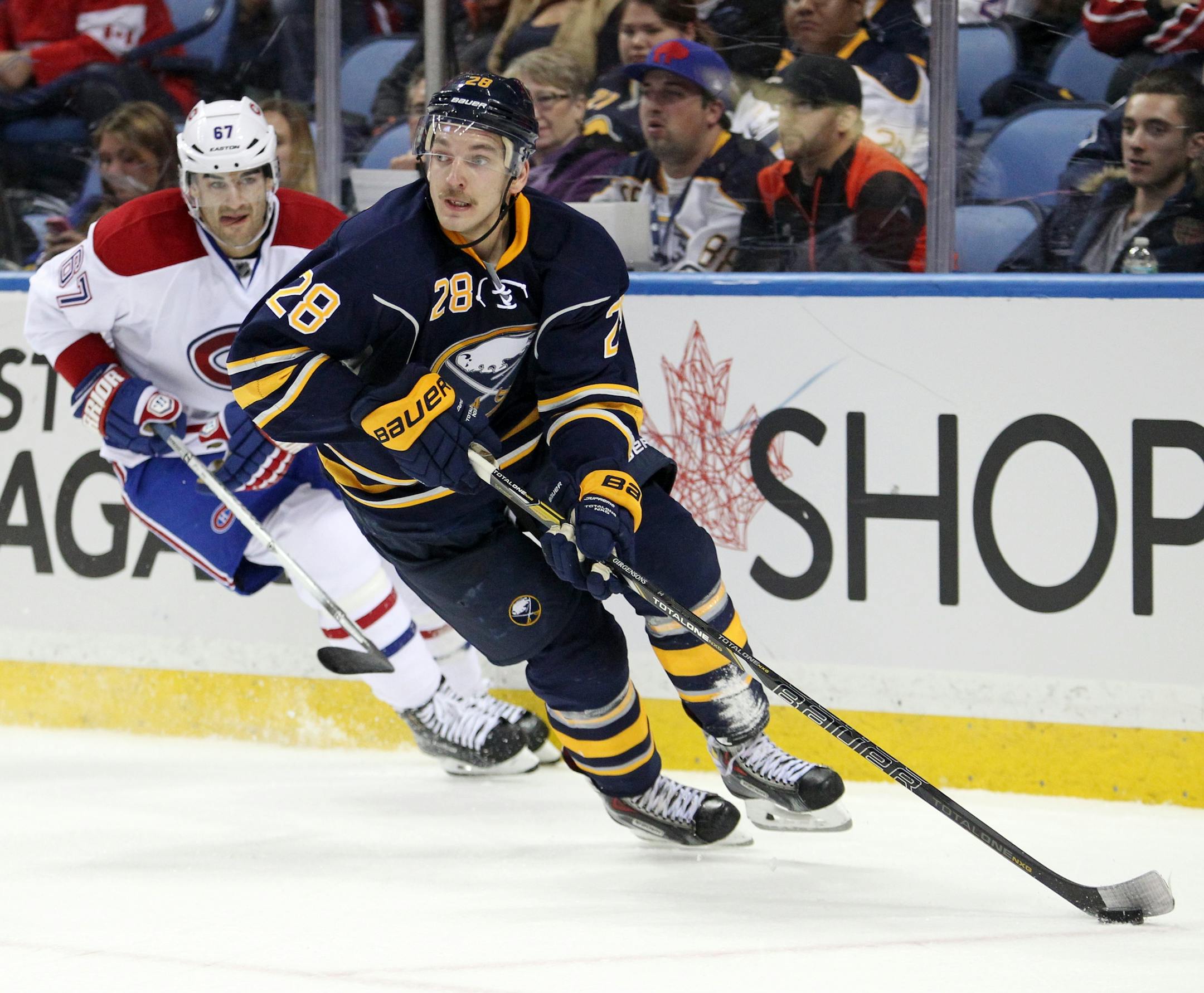
![Wild defenseman Matt Dumba in the first period during the Minnesota Wild vs. the Pittsburgh Penguins pre-season NHL game at the Xcel Energy Center on Monday, September 29, 2014 in St. Paul, Minn. ] RENEE JONES SCHNEIDER • reneejones@startribune.com](https://arc.stimg.co/startribunemedia/SYUCJG27JACQMORLIQ74FSYAXQ.jpg?&w=1080)
As bad as the Iowa Wild has been, if you ask Minnesota, the relocation of its American Hockey League affiliate last year from Houston to Des Moines has been a great benefit.
From last-second player callups to the ability of GM Chuck Fletcher, assistant GM Brent Flahr, director of minor league operations Jim Mill and director of player development Brad Bombardir to get there, it's a lot easier to have the affiliate a 3½-hour drive away than a flight away.
"It gives us the ability that after a morning skate even if we need to get a guy here in time for the game, we could let a guy know at 2 o'clock and he can be here by 5:30," Mill said. "It gives us the ability to be very flexible with our roster and make adjustments on the fly."
Having Iowa so close is one reason why the Wild has kept its roster at 22 players the past few weeks as opposed to the maximum 23. It saves money and salary-cap space.
It's an advantage the Anaheim Ducks (Norfolk is their affiliate), Arizona Coyotes (Portland, Maine), Colorado Avalanche (Erie, Pa.), Los Angeles Kings (Manchester, N.H.), San Jose Sharks (Worcester, Mass.) and even the Calgary Flames (Glens Falls, NY), Edmonton Oilers (Oklahoma City) and Vancouver Canucks (Utica, N.Y.) don't have.
That's why as early as next season, there could be a titanic transformation in the AHL. The NHL's chief development league is well on its way toward several relocations of eastern markets to western markets that'll include some and eventually maybe all of the above teams.
"It's a work in progress," said David Andrews, the AHL's president and CEO who attended Wednesday's Wild-Montreal Canadiens game. "It has been for about 30 months. I would say the work is getting a little more intense, and I would say it's eventually going to happen. We're essentially working on a framework.
"Our relationship with each of the NHL teams is what our league is about, so if that's what they want for player development, we're committed to work with them and make it happen."