

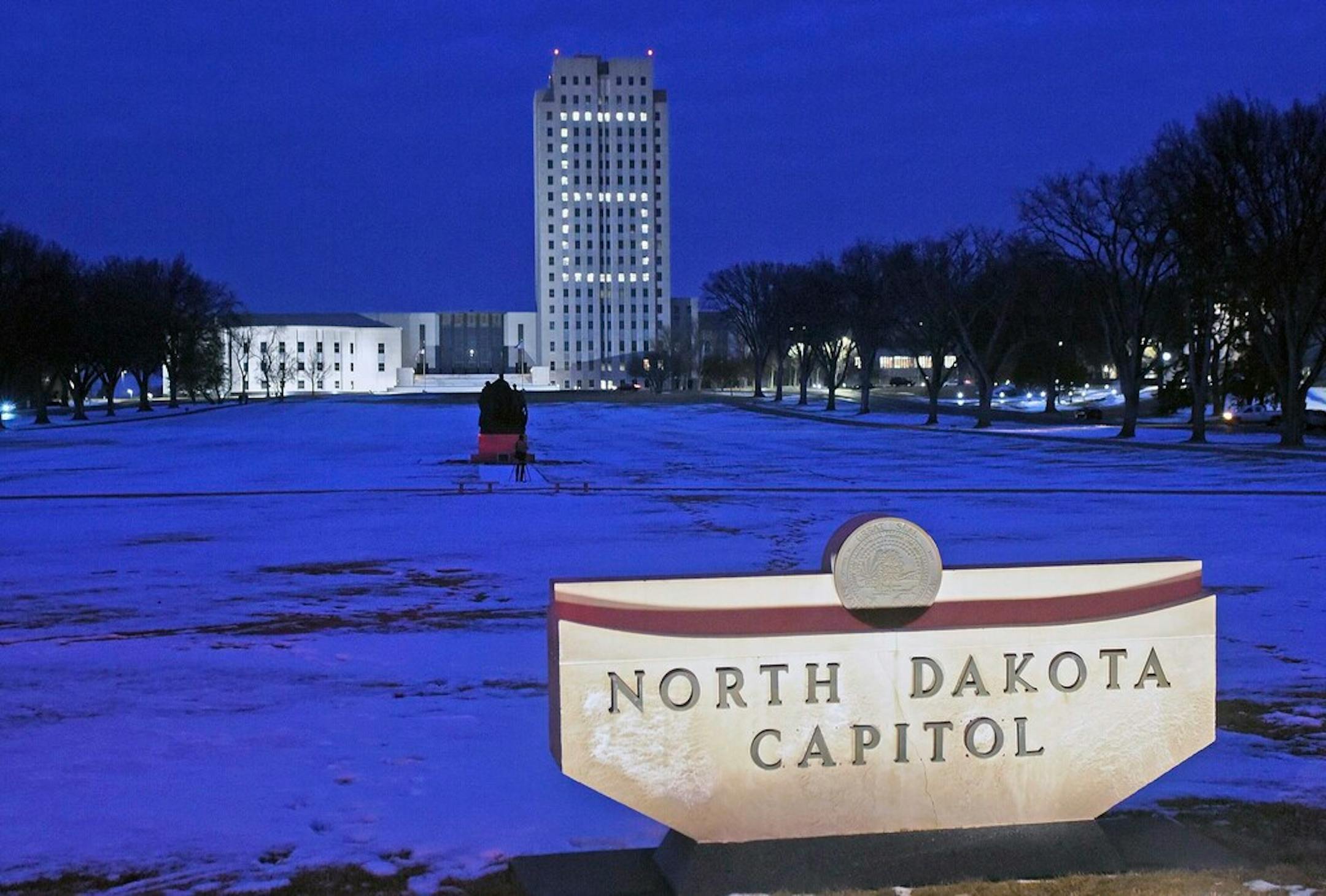
BISMARCK, N.D. — North Dakota voters will decide this fall whether to eliminate property taxes in what would be a first for a state and a major change that officials initially estimate would require more than $1 billion every year in replacement revenue.
Secretary of State Michael Howe's office said Friday that backers submitted more than enough signatures to qualify the constitutional initiative for the November general election. Voters rejected a similar measure in 2012.
Property taxes are the base funding for numerous local government services, including sewers, water, roads, jails, deputies, school building construction and teacher salaries — ''pretty much the most basic of government,'' said North Dakota Association of Counties Executive Director Aaron Birst.
Rising property taxes, often fueled by rising home values, have frustrated people across the U.S. North Dakota's initiative qualified for the ballot as Nebraska legislators were poring over more than 100 proposals to ease ballooning property taxes, with a debate on a plan next week. Kansas legislators approved a small property tax cut this year and said property owners want bigger reductions.
The campaign in North Dakota is happening as the state is experiencing good finances, especially strong oil and sales taxes.
The leader of the measure drive, former Republican state Rep. Rick Becker, said it would help provide property tax relief. He said people often don't fully understand the process around property valuations and taxation.
''They don't think it's fair. They just wait to get a letter in the mail telling them what their home is now valued at, and that increase in value causes increase in taxes. But yet everyone seems to pass the buck because the locals say, 'Well, we didn't raise your taxes' — well, we're paying more taxes,'' said Becker, a plastic surgeon in Bismarck and unsuccessful U.S. House candidate.
If the measure passes, the state would have to replace over $1.3 billion a year beginning in 2025, according to a preliminary legislative research estimate. The state operates on a two-year budget, and the total two-year estimate of replacement revenue would be over $2.46 billion after deducting the state's current property tax credit program amounts, according to the estimate. The state expects to collect $5 billion in general tax revenues over those two years.
