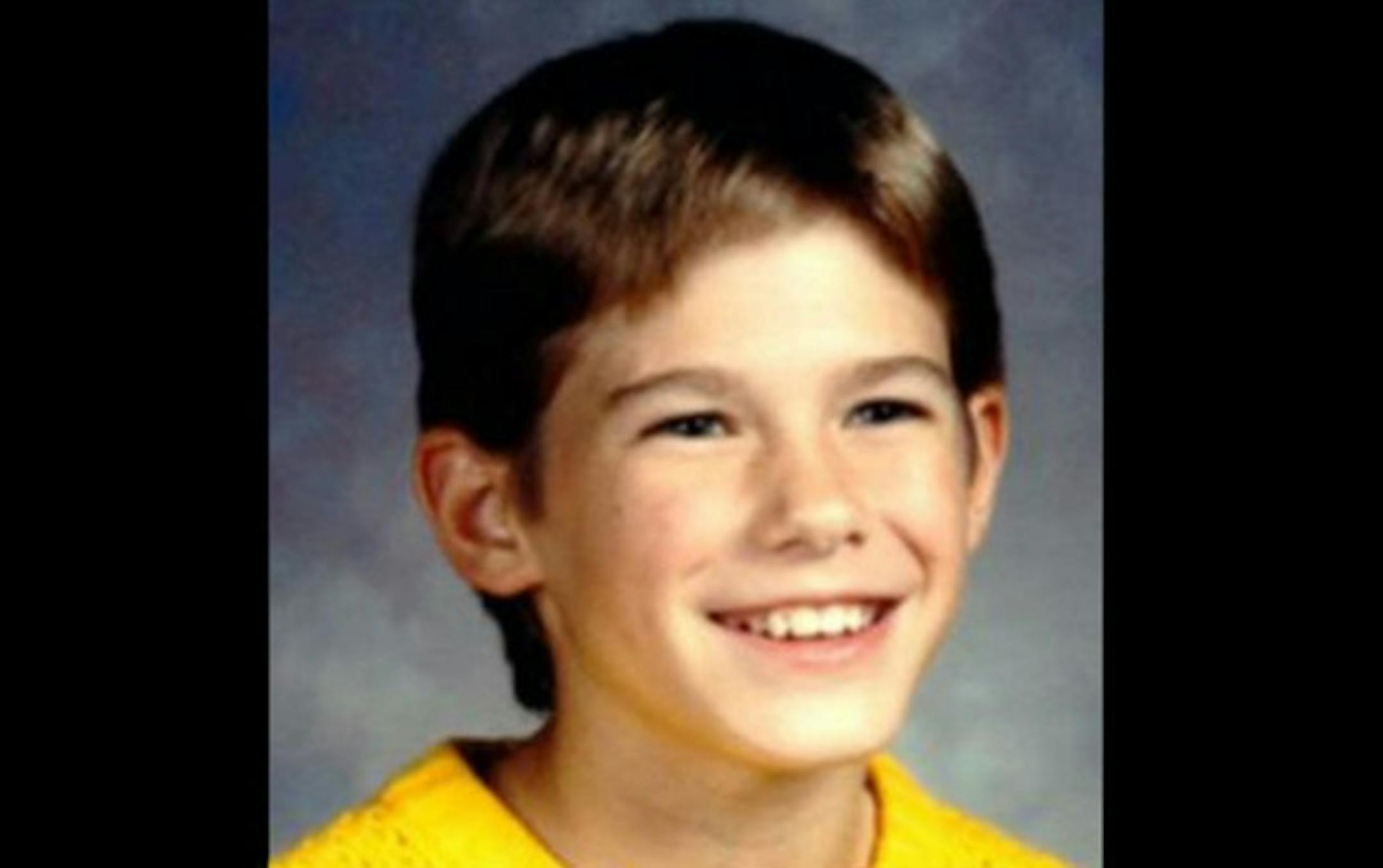
ST. CLOUD – Almost every scrap of information from the nearly three-decade search for Jacob Wetterling — tens of thousands of pages of tips, interrogations and dead-end leads — is stashed in boxes in a basement here.
Those boxes are now open, and soon members of the public will be able to read the contents for themselves.
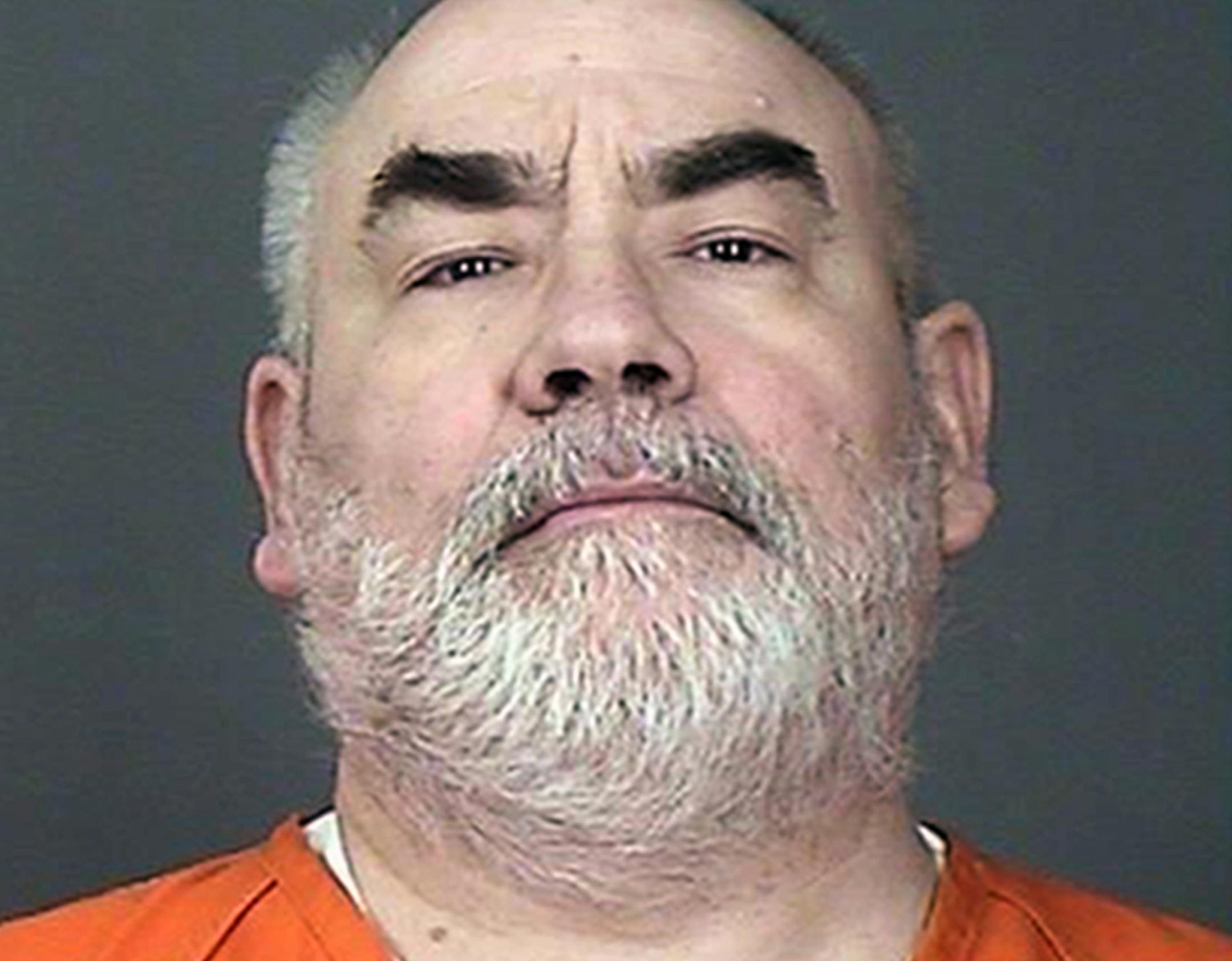
Jacob's killer, Danny Heinrich, in September confessed to the crime, and on Monday, will be sentenced to 20 years in prison as part of a plea agreement with prosecutors. Sometime after that, the contents of the "Wetterling Room" will become public record.
But before those investigative documents can be released, someone has to go through every box, every page, every line, and painstakingly blot out things like Social Security numbers, private medical data and children's names.
Teams of five to 14 people have been at it for weeks, running through roll after roll of redaction tape — a mile and a half of it so far, dotted across more than 37,000 pages of investigative reports. That's not counting boxes of taped interviews that need to be transcribed, stacks of photographs and physical evidence, newspaper clippings, and folders crammed with the 80,000 or so tips that poured in from every corner of the globe between October 1989, when a masked stranger snatched Jacob off his bike, and September 2016, when Heinrich, now 53, led investigators to the lonely field in Paynesville where he assaulted, shot and buried the 11-year-old hours after the abduction.
"It's all there. It's all coming," said Stearns County Attorney Janelle Kendall, looking around the windowless room in the basement of the county Law Enforcement Center.
On Thursday, half a dozen members of the sheriff's office were on redaction duty, checking and double checking each others' work. It may take until January to get the entire contents of the Wetterling Room ready for public release. It might take until March.
Staff from the county attorney's office, the Stearns County Sheriff's Office and the state Bureau of Criminal Investigation have read through the investigative reports twice already, and may go through a third time. If they miss one thing — say, someone's Social Security number — before the files go public, "real-life human beings will pay the price," Kendall said.