

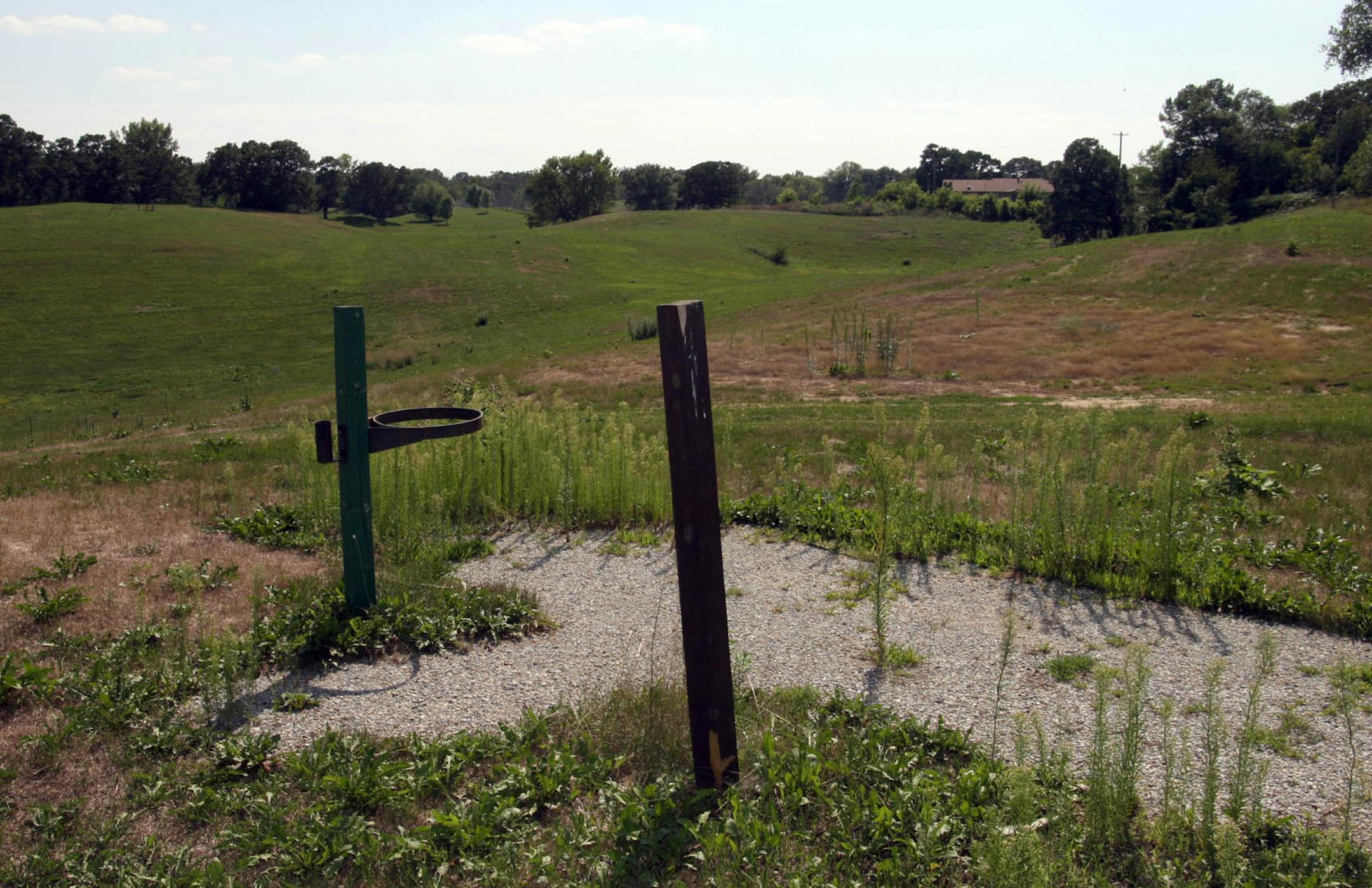
Let's say you're a voter in Eagan curious about what's at stake in one of the biggest civic decisions in years. Knowing the name of the golf course whose vast acreage is up for grabs, you go to the den and Google the words "Carriage Hills Eagan."
What pops up? A series of links guiding you to websites urging you to vote to raise your taxes so the city can buy the land, and sketching unhappy consequences if you don't.
What doesn't pop up, at least at the top of the page? A whole series of documents that city officials -- dismayed about some of the other information that's out there -- describe as the sober, factual truth.
Welcome to the messy 21st-century world of e-democracy.
Here's a quick primer on what's at stake, and where to go to hear more from both sides:
BACK STORY
A prolonged fight over the fate of the 120-acre Carriage Hills property will reach a crucial turning point in the November election as voters decide whether to raise their own taxes enough to cover the $10.25 million tab to buy the land. If the vote fails, a developer stands ready to move in. The city hasn't decided what it would do with the land, but neighbors have bitterly fought against developing it.
TAX BILL
One of the most delicate issues is how to express what a yes vote does to your tax bill. The Eagan Legacy Association, advocating the deal, says it's $10 per year for 20 years for each $100,000 of home value. The city opts for a range from bite-sized ($1 a month for a $150,000 home) to ginormous ($1,020 over 20 years for a half-million-dollar spread).
SCARE TACTICS?
Eagan Legacy warns: "The city signed a settlement agreement that allows the developer to begin high-density development on November 5th ... the City will have lost open land and lost the opportunity to secure future public space."


