Reviving the original Trans-Pacific Partnership, a trade deal between 12 countries around the Pacific Rim, is technically impossible.
To go into force, members making up at least 85 percent of their combined GDP had to ratify it. Three days into his presidency, Donald Trump announced the United States was out. With 60 percent of members' GDP gone, that deal was doomed.
But on Nov. 11, another began to rise in its place, crowned with a tongue-twisting new name: the Comprehensive and Progressive Agreement for the Trans-Pacific Partnership (CPTPP).
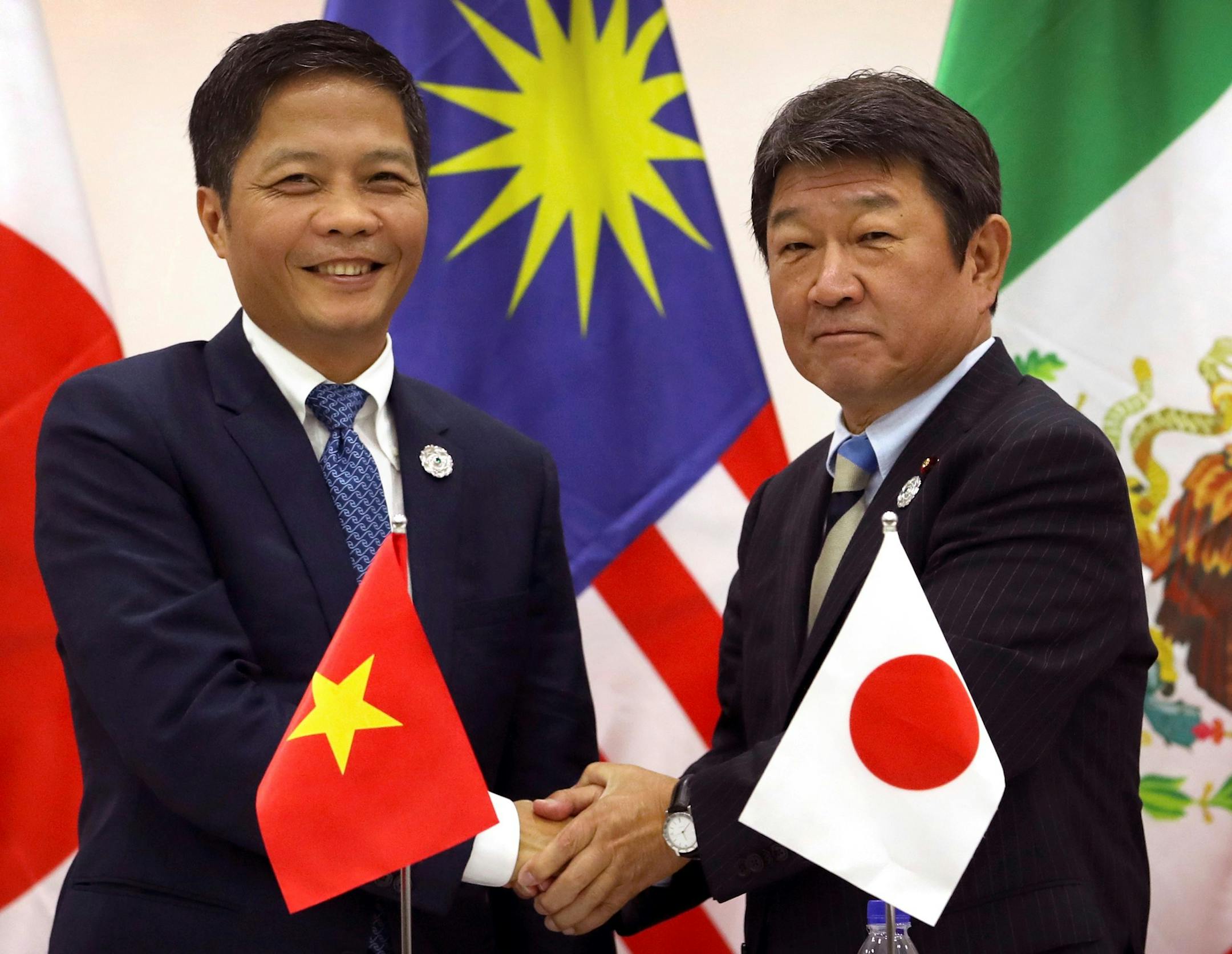
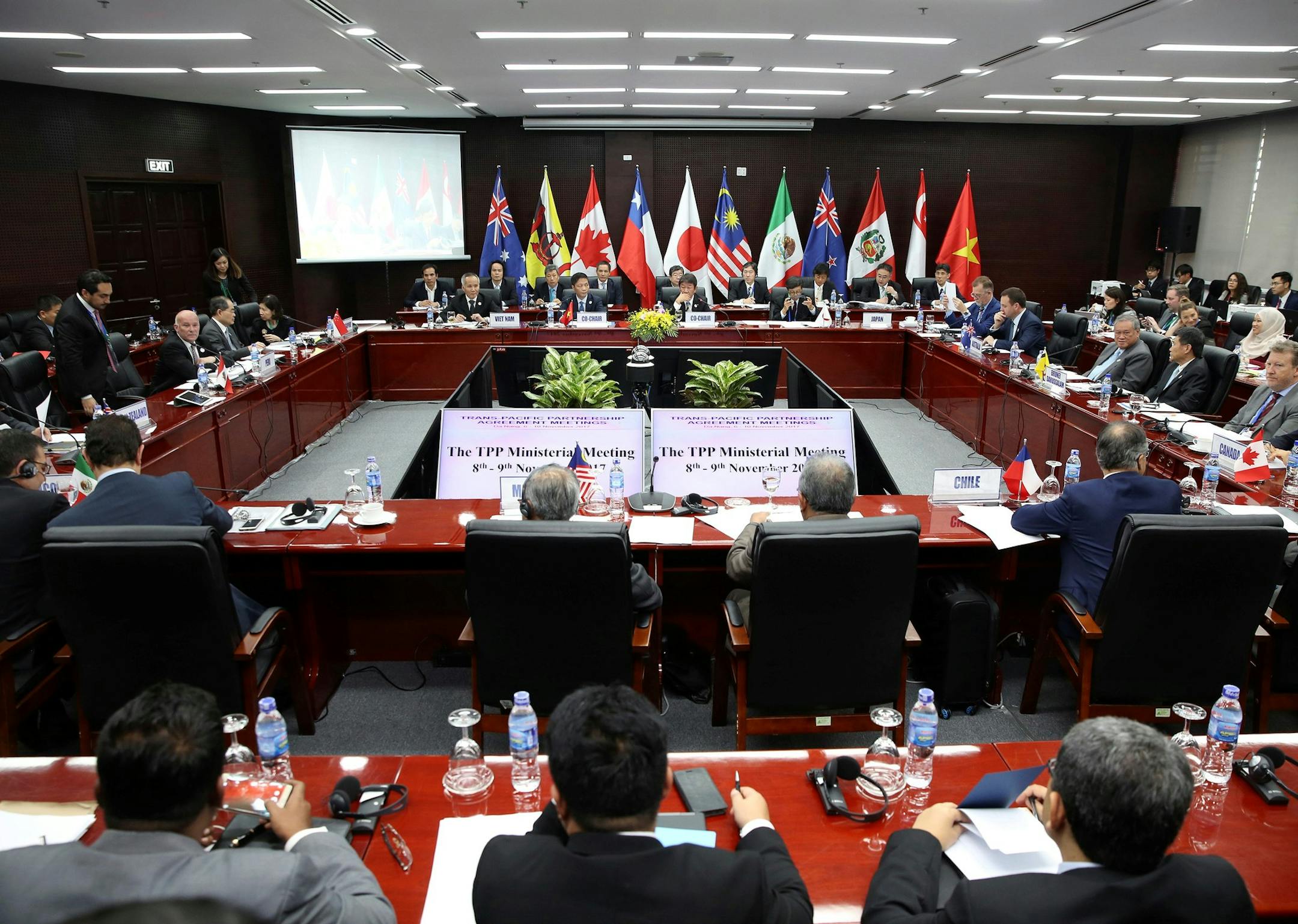
Ministers from its 11 members issued a joint statement saying they had agreed on its core elements and that it demonstrated their "firm commitment to open markets."
The CPTPP is still far from finished, however. This inconvenient truth is unsurprising. Resuscitating the deal without its biggest member was always going to be hard. Without the U.S., uncomfortable concessions made in the old TPP can seem less worthwhile. But any attempt at a full renegotiation risked the entire deal unraveling. If countries used the opportunity to grab new concessions in their pet areas, others could make counterclaims and talks could descend into a protectionist mess.
The few unresolved areas reflect these challenges.
Malaysia wants more time to adjust to rules governing its state-owned enterprises. Brunei wants a more lenient approach to its coal industry. And Vietnam, which stood to gain most from extra access to the American clothing market, wants more time before it could face sanctions for violating the pact's labor laws.
Trade ministers from Mexico and Canada had a particularly tricky task, given their involvement in trade negotiations with the Americans about the North American Free Trade Agreement (NAFTA). Anything Mexico and Canada conceded in the TPP could then be unusable as a bargaining chip in separate talks with Trump.