

When Orlando Saenz was laid off at the end of January, he was devastated. For nearly a decade, he had worked as an executive assistant at an Austin law firm, and it was hard to envision his next steps. But then it dawned on him: This setback could be the kick he needed to finally finish his associate's degree and seek a better career.
A few days later, Saenz, 40, enrolled in community college. He plans to get a paralegal license. The enhanced unemployment aid gave him the financial cushion to "treat school as my job," he said, for a few months.
"If you come out of the pandemic the same as you were, you've missed an opportunity to evolve and grow as a person," Saenz said. "I just realized I needed to do better."
Saenz is not alone. Nearly 1 in 3 U.S. workers under 40 have thought about changing their occupation or field of work since the pandemic began, according to a Washington Post-Schar School poll, conducted July 6 to 21. About 1 in 5 workers overall have considered a professional shift, a signal that the pandemic has been a turning point for many, even those who did not contract the coronavirus.
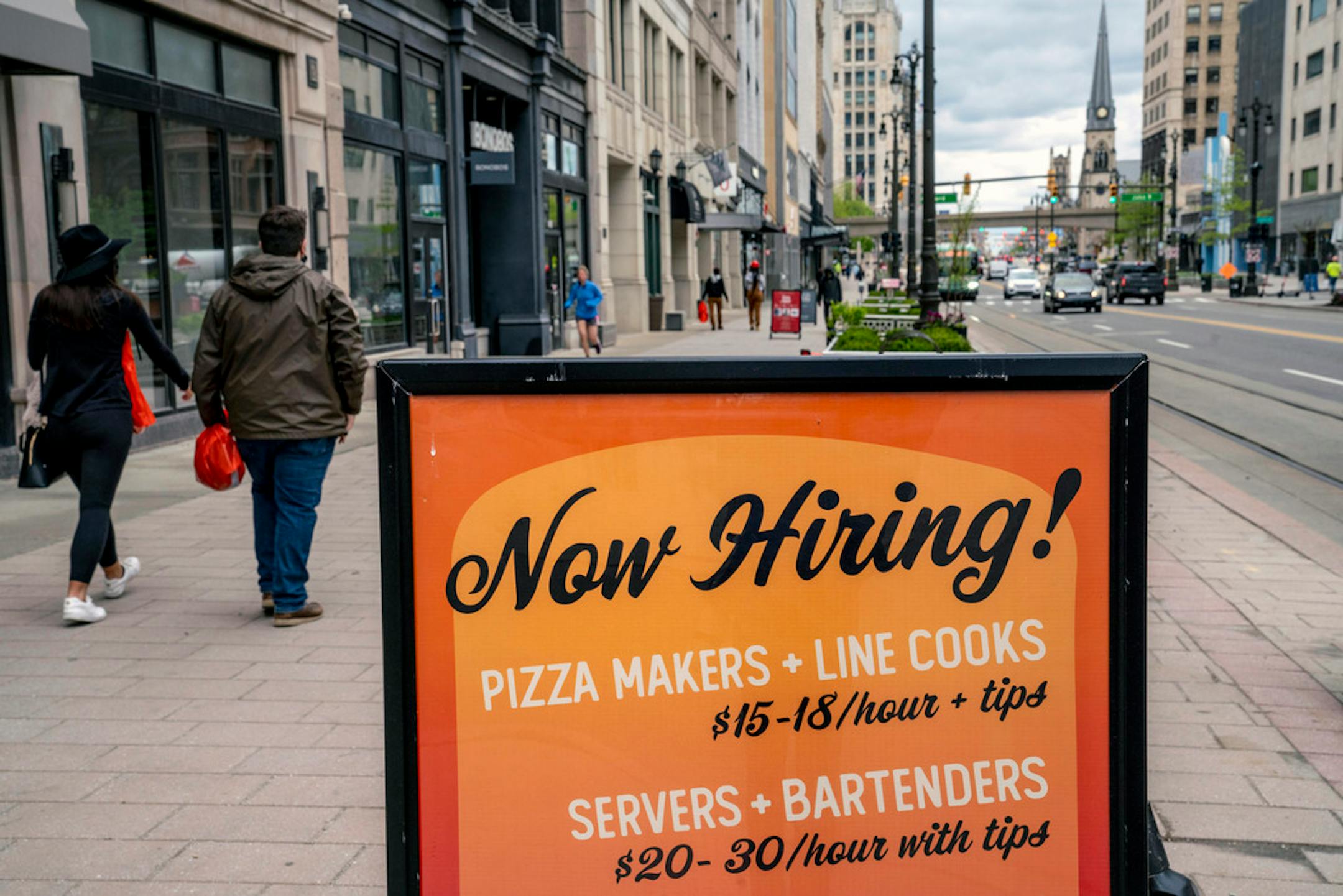
Many people told the Post that the pandemic altered how they think about what is important in life and their careers. It has given them a heightened understanding that life is short and that now is the time to make the changes they have long dreamed of. The result is a great reassessment of work, as Americans fundamentally reimagine their relationships to their jobs.
It's playing out in record numbers of Americans quitting their jobs and a surge of retirements and people starting businesses.
Some, such as Saenz, seek a more meaningful or higher-paying career, while others want a new location that allows for a different lifestyle. Since the pandemic began, 28 percent of U.S. adults say they have seriously considered moving, the Post-Schar School of Policy and Government at George Mason University poll finds, and 17 percent say they have already moved, either temporarily or permanently. Adults under age 40 are the most likely to have considered moving or to have already relocated.
In parts of the country with easy access to hiking and outdoor activities, real estate prices are soaring. Austin; Boise, Idaho; Spokane, Wash.; and a Phoenix suburb called Sunrise saw the largest spike in prices, according to real estate website Redfin. These cities are more affordable than many big coastal cities and are places where it is easy to have a physically active lifestyle.



