

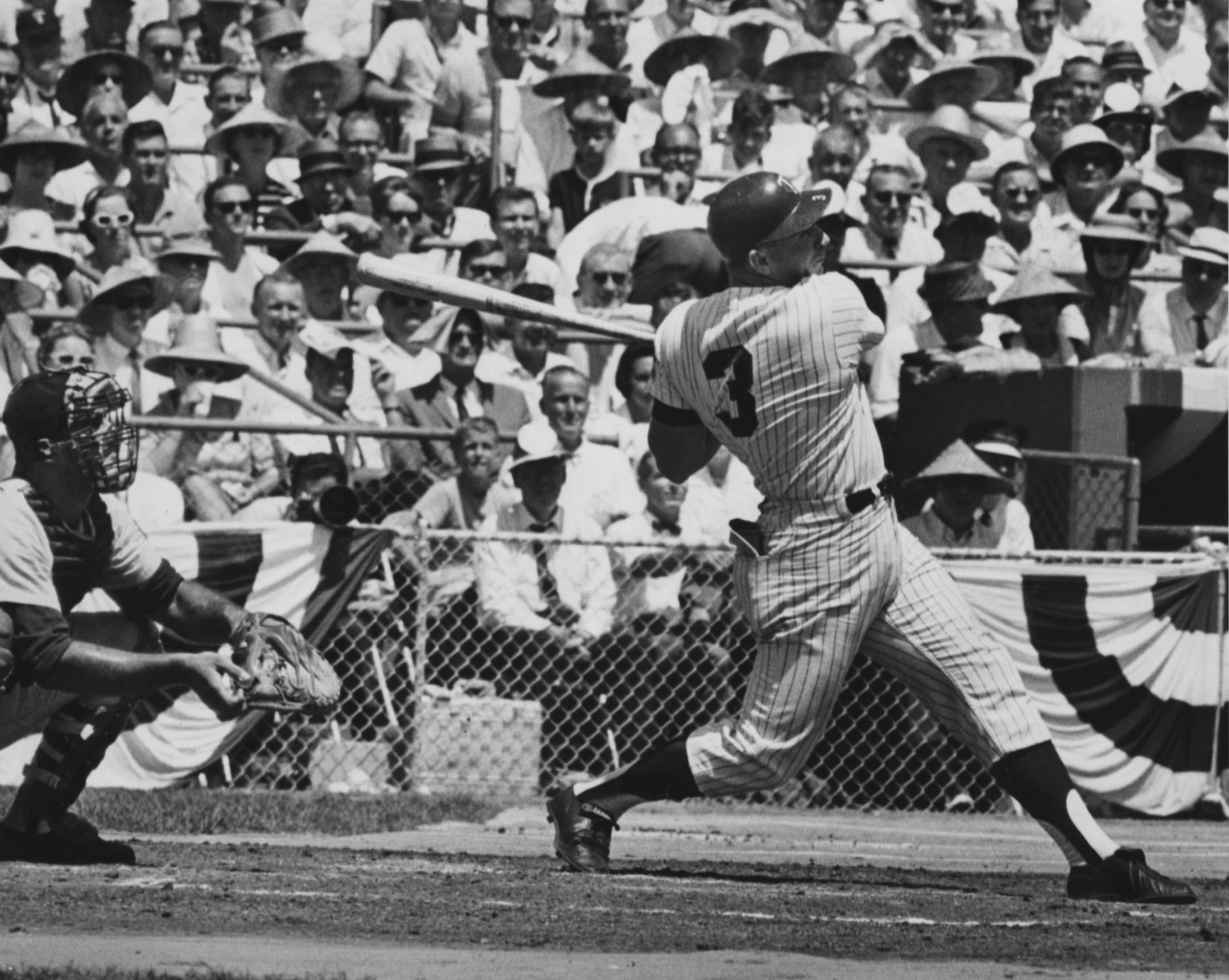
The World Series was this country's most important sports event in 1965, and baseball's All-Star Game was in the top five. When people referred to the game as "the Midsummer Classic," they did so with reverence.
The game was scheduled for July 13 at Met Stadium. We were anxious to show the nation's TV viewers that they were wrong … that it didn't snow in Minnesota in July.
On the Sunday before the All-Star break, Harmon Killebrew hit a 3-2 pitch from the Yankees' Pete Mikkelsen with two outs in the bottom of the ninth for a two-run home run to give the Twins a 6-5 victory.
The Twins were five games in front in the American League. A half-dozen of our heroes were on the 25-player AL squad: catcher Earl Battey and first baseman Killebrew as starters, along with pitcher Jim Grant, shortstop Zoilo Versalles and outfielders Tony Oliva and Jimmie Hall.
I'm telling you, baseball had our hearts pumping and our corpuscles jumping that summer. And it couldn't get better than this, a chance to show off two beloved institutions: our erector set of a ballpark on the Bloomington prairie, and these half-dozen All-Stars from our first-place ballclub.
Twenty years later, the All-Star Game returned and baseball barely had a pulse in these parts. It was Year 4 in the Metrodome, a much-derided plastic ballpark, and the Twins were in sixth place and 11 games behind in the seven-team AL West.
Tom Brunansky was the sole Twins representative as a reserve outfielder — one man on what was a 28-player roster.
To emphasize this contrast in our All-Star history, the 1965 game was a classic, 6-5 in favor of the National League, and the 1985 game was a 6-1 snooze-fest, also in favor of the Nationals.


