

•••
I was sorely disappointed in the subhead and concluding paragraph of Michelle Goldberg's reprinted New York Times commentary on the seemingly inevitable death of Roe v. Wade ("The death of Roe will tear America apart," Opinion Exchange, May 7). She asks, "You think we hate each other now? Just wait ... ." That kind of rhetorical framing is so irresponsible, so inflammatory and all but assures the notion that we indeed will hate each other. What a caustic, irretrievably damaging place to be ushered.
I don't hate the other side. I may think them wrong about this or that issue, but why would that invoke hatred? What problem can be solved by hating? I'm politically liberal, as are most of my friends. But I don't know anyone on this side who wants more abortions. In fact, we would love if there were zero abortions in this world. And get this: I can even understand why someone would utterly oppose abortion. So I share more common ground with a pro-lifer than either of us would be led to believe by media consumption. That nuance vanishes when we are only given the "pro-choice, anti-choice" binary.
I'm not trying to be naive; there are some nearly intractable divisions in the thinking between political camps that has led to a topsy-turvy state of politics, civility and reason in this country. But when we reinforce the notion that we all can't stand each other, that we are as tribal as oil and water, then we make it inevitable. News outlets, stop with this ridiculously binary, reductive way of presenting issues to people. You bear responsibility for this divide as much as any politician who benefits from fanning the flames of division. Do better.
Travis Anderson, Minneapolis
•••
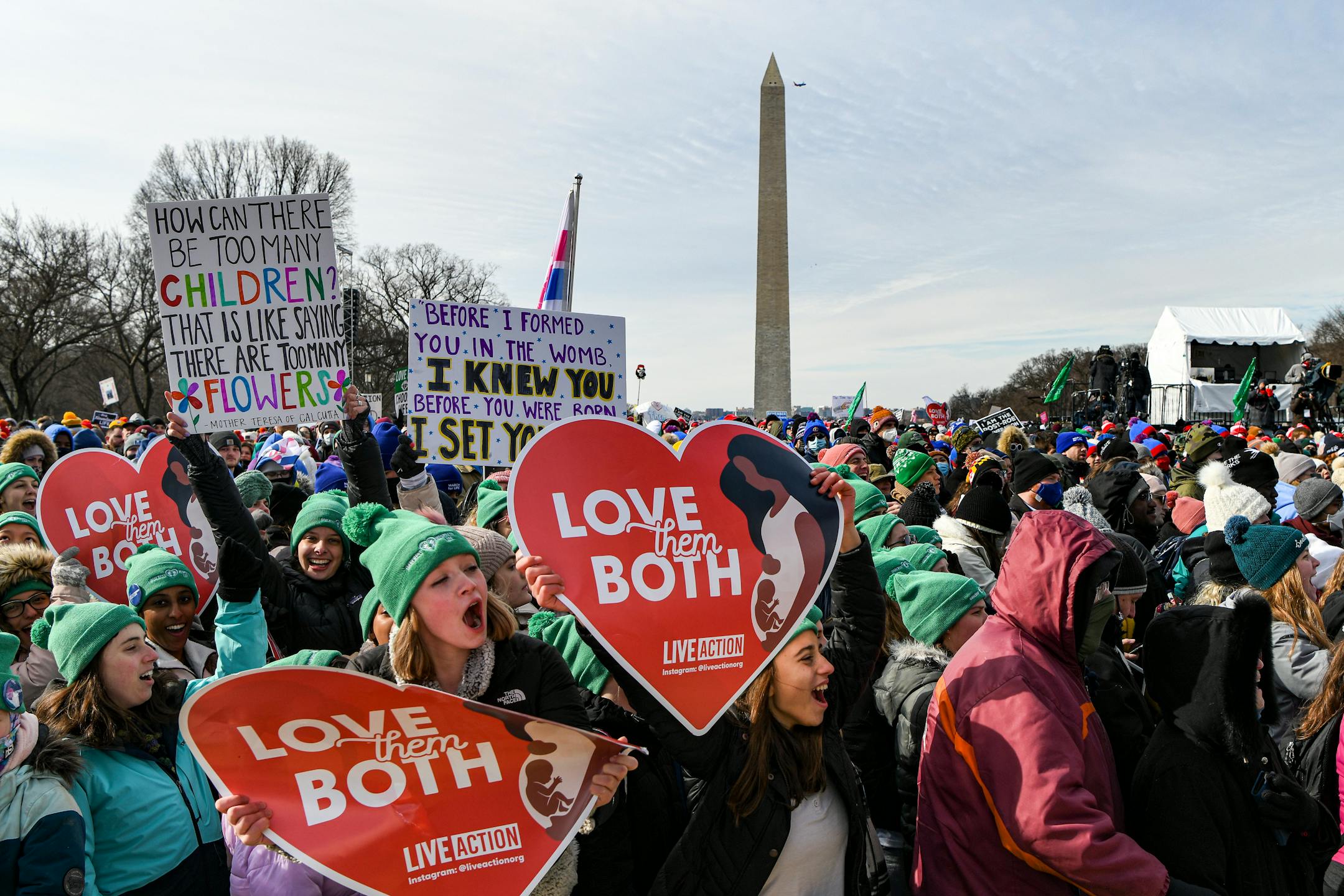
Whatever is said about the Supreme Court's draft opinion that would overturn Roe and Planned Parenthood v. Casey, it is not an assault on democracy as many Democrats and media pundits are claiming. To the contrary, the decision would place the issue of terminating a pregnancy in the hands of the Congress and the legislatures of the states, both composed of individuals who owe their positions to the electorate. This is the very definition of democracy. President Joe Biden, who calls the decision "radical," understood this back in 1982, when he supported the Human Life Federalism Amendment, which would have overturned Roe in providing that "the Congress and several states shall have the concurrent power to restrict and prohibit abortions."


