

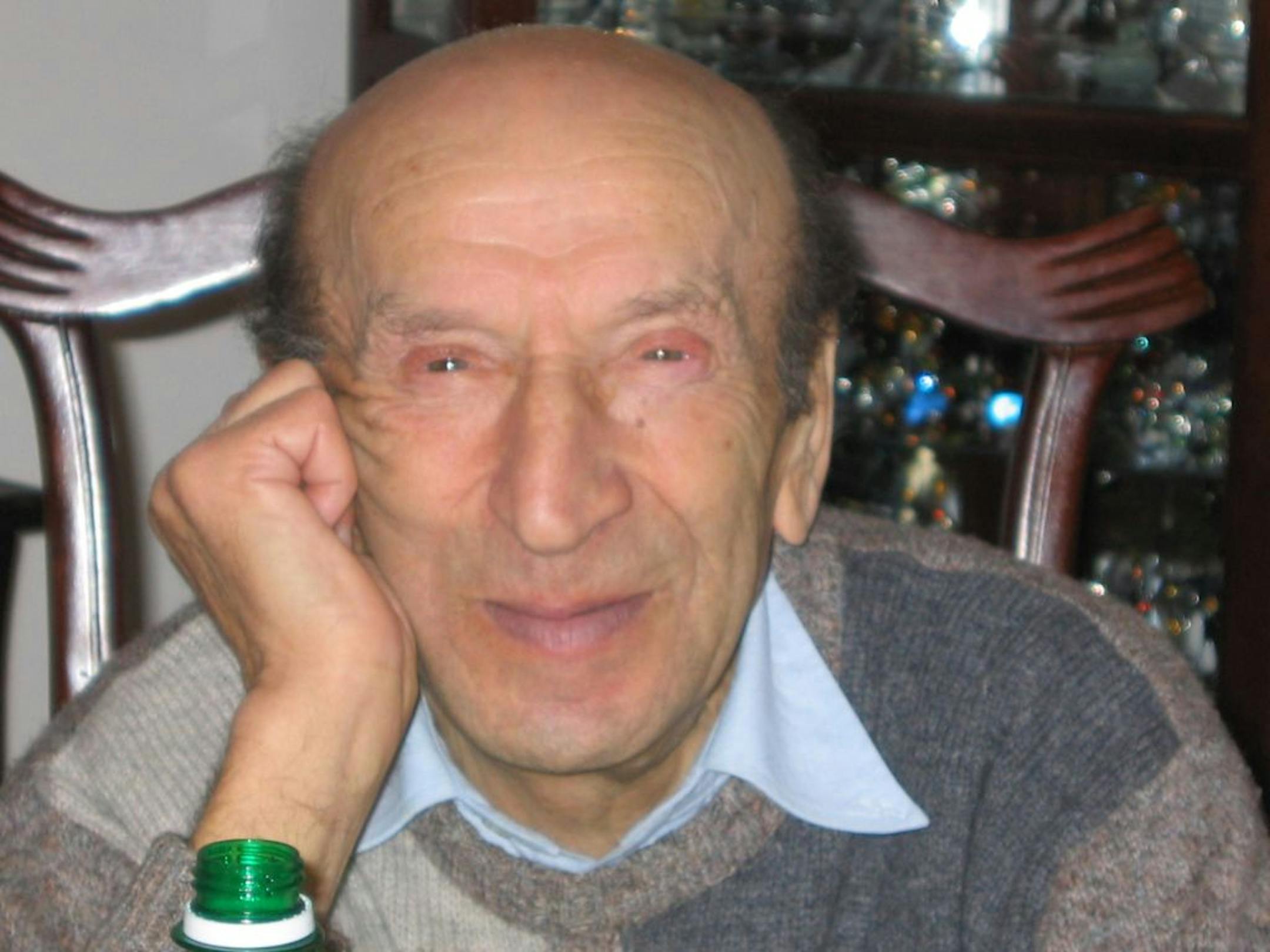
Samuil Zabezhinsky, along with hundreds of other Soviet Army soldiers, many of them dead, lay on the trampled and bloody snow after yet another fierce clash between Soviet and German forces on the Russian front halfway through World War II.
By the time medics found him on that winter's day in 1942, he had been lying there for untold hours with a concussion and other wounds suffered when a shell exploded nearby. But it was the hypothermia, frostbite and subsequent gangrene in his arms and legs that would nearly kill him over the next six months. He'd lose toes, but almost miraculously, his fingers healed.
Thus Zabezhinsky, who'd been a child prodigy on the violin, would not lose the major source of his life's work and joy -- playing and teaching music.
After surviving the war and subsequent struggles in the eventually crumbling Soviet Union, he emigrated to Minnesota late in life, where he enjoyed two of the happiest decades of his life, his family said.
Zabezhinsky, of St. Louis Park, died Tuesday at Abbott-Northwestern Hospital in Minneapolis. He was 88.
He was born in the small town of Velizh, in Byelorussia (now called Belarus), and as a child moved with his family to Leningrad (now St. Petersburg), where he studied violin at the Leningrad Music Conservatory, said his son Leonid Zabezhinsky of Plymouth.
Three months before the war started, the young violinist was drafted into the Soviet Army, Leonid said. "That war on the northwestern front was a meat-grinder, and it's amazing that my father survived," he said. "He was in communications, delivering messages at a time when there were no phones or line connections, running back and forth under constant sniper fire."
In later years, Zabezhinsky spoke little of the war, his son said. "He learned how to walk again without limping, and he never complained about his disabilities," he said.


