

There's quite a list by now of factors that led the Minnesota Orchestra to lock out the musicians union in October, from changing tastes in music to the hangover from a deep recession.
But at the dispute's core is a fundamental problem long known to economists as "Baumol's cost disease."
The concept comes from economist William Baumol, whose groundbreaking work studying the arts in the 1960s with a Princeton University colleague led to his simple observation that productivity gains in the performing arts are all but impossible to achieve.
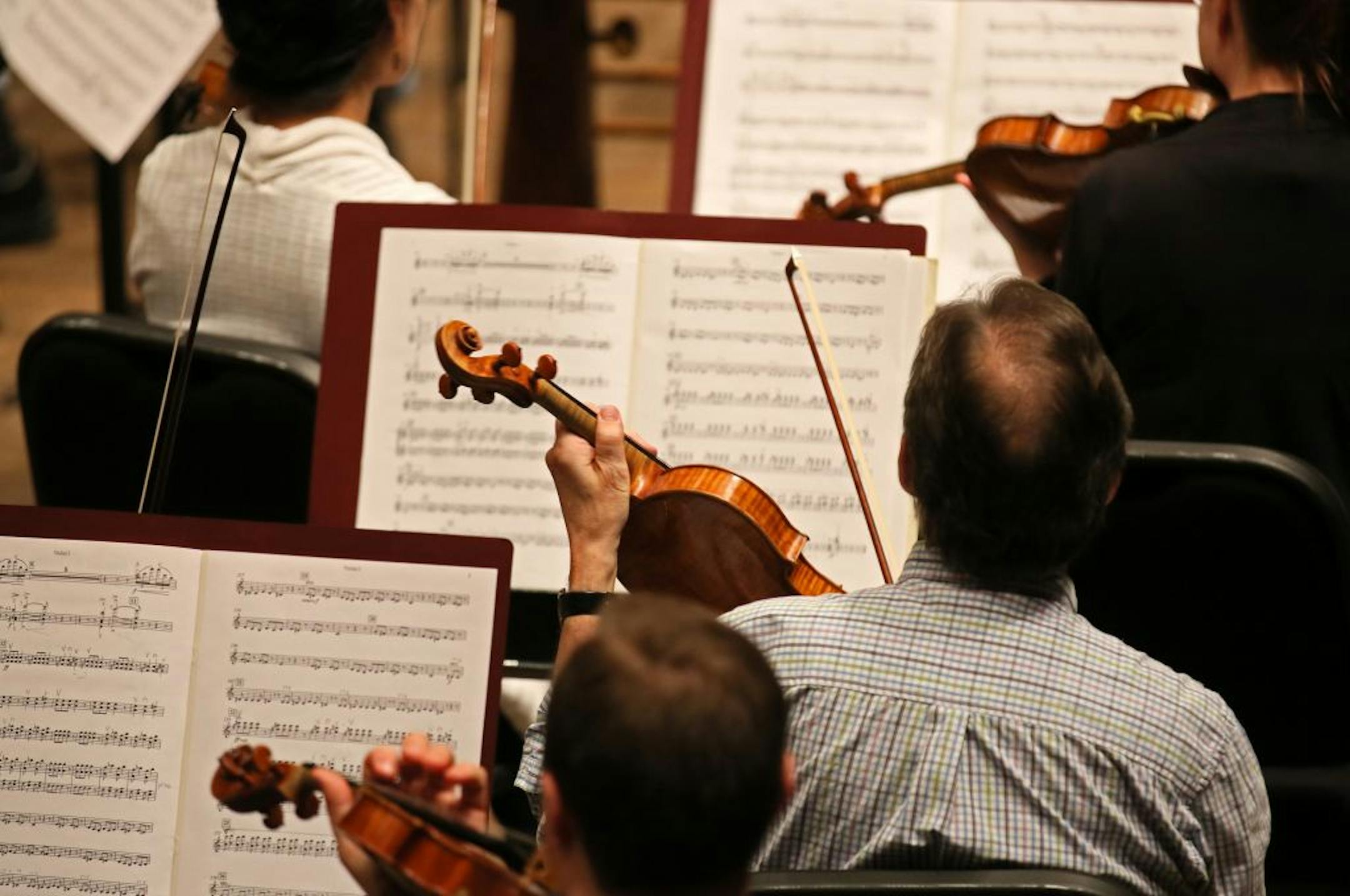
When Wolfgang Amadeus Mozart finished his String Quartet No. 19 in 1785, his well-known "Dissonance" piece, it took four skilled players to perform it. It still does.
Baumol was looking at productivity, which is the measure of the output a worker produces. That can be a car part or a frozen pizza or a musical performance.
On the goods-producing side of the economy, investments in technology and other capital items, along with factors like increasing skill, have driven productivity gains for generations.
On the services side it's a lot harder. A kindergarten teacher may now use an iPad to prepare for teacher conferences, but she can only handle so many 5-year-olds. A barber has a battery-powered clipper but still may see about the same number of heads in a day as his great-great-grandfather did. The unit of labor required for those service outputs stubbornly stays about the same.
But service workers, including violin players, are out in the broader labor market with machinists and auto workers and everybody else. As productivity gains in goods-producing businesses drive wage increases, the pay and benefits offered musicians need to keep up or those talented people will migrate to better-paying occupations.



