

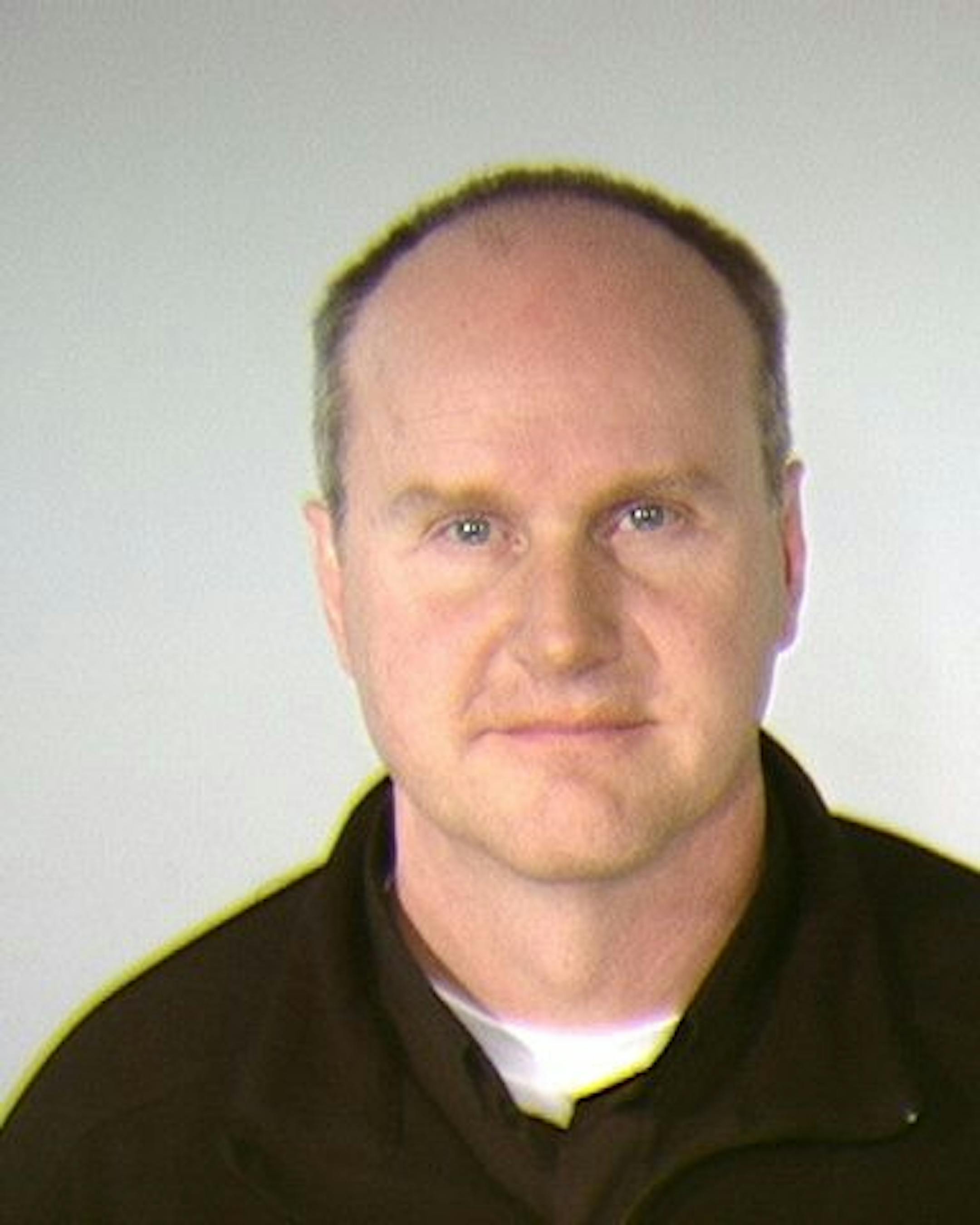
A priest accused of violating state law by allegedly having a sexual relationship with an adult parishioner will ask a Ramsey County judge on Monday to dismiss his felony criminal charge.
The Rev. Christopher Wenthe was charged in February with third-degree criminal sexual conduct after a woman reported to police that Wenthe took advantage of his position and her trust in him by engaging in a sexual relationship that lasted for more than a year.
Paul Engh, Wenthe's attorney, filed a motion arguing that the state law prohibiting a clergy member from having sex with a person who is seeking or receiving "religious or spiritual advice, aid, or comfort in private" is unconstitutional. In court records, the Ramsey County Attorney's Office said the law is constitutional and has been upheld by the Minnesota Supreme Court.
District Judge Margaret Marrinan will hear arguments from both sides Monday.
"Any minister who has sex with anybody may be in trouble under this statute," Engh said last week. "It's an overly broad attempt to regulate sexual behavior."
Ramsey County prosecutors argued that the law criminalizes "exploitive, abusive behavior." Paul Gustafson, a spokesman for the Ramsey County attorney's office, declined to comment, citing the pending hearing.
"Like statutes prohibiting sexual relationships between patients and doctors, therapists, counselors and social workers, the power imbalance created in the clergy-counselee relationship lies at the heart of criminalizing any sexual relationship that may develop," prosecutors wrote in a memorandum opposing Engh's motion.
Cases charged under the clergy sexual misconduct statute are rare. Since the law was passed in 1993, only 10 cases have been filed, according to state records. In 2007, the state Supreme Court ordered a new trial for another priest, John Bussmann, finding that too much evidence regarding Catholic Church doctrine had been presented during his trial. However, the court was evenly split on whether the law was unconstitutional so it affirmed an earlier ruling by the state Court of Appeals that upheld the law.


