

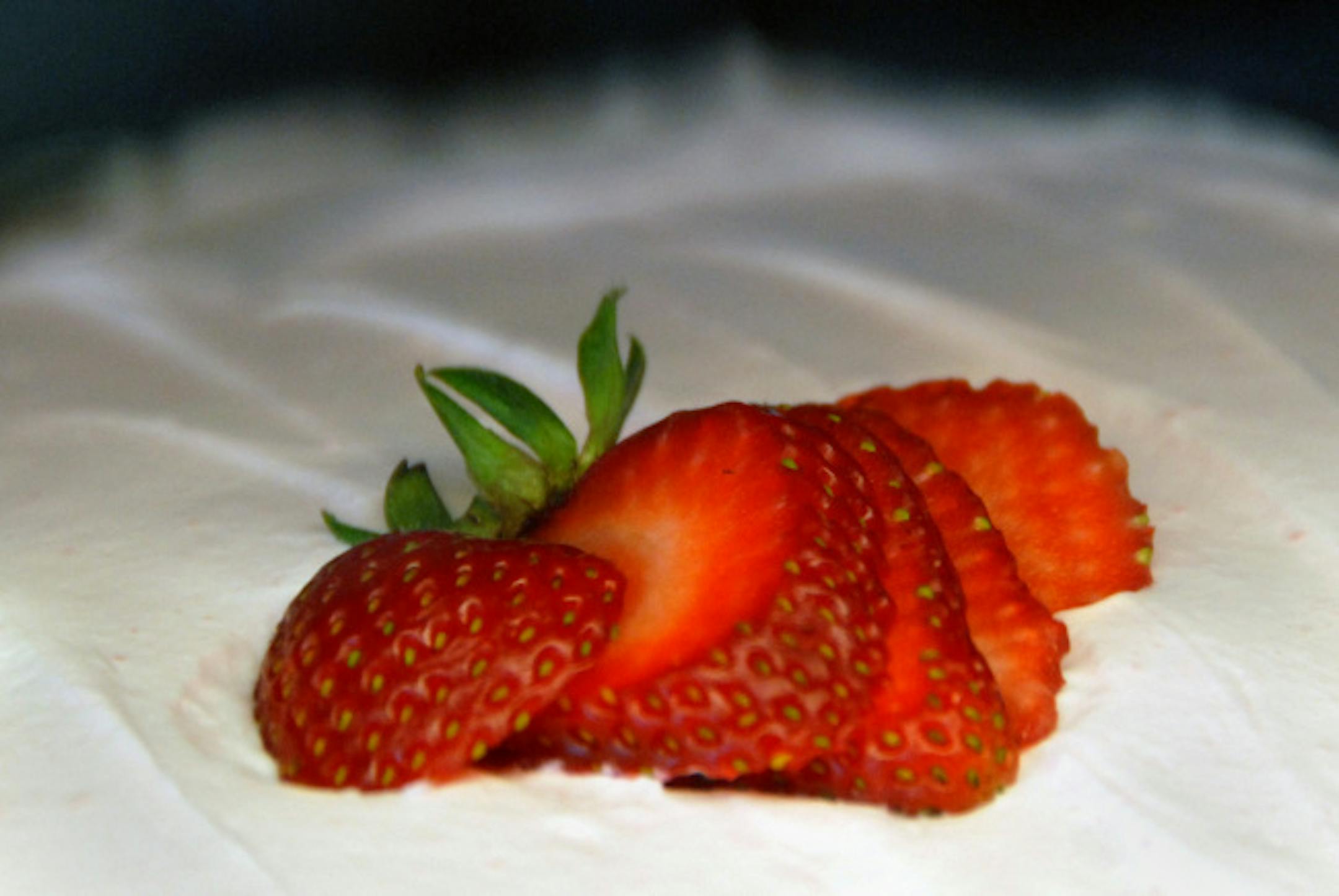
Of all of the fruits and vegetables in your garden, the one with the most interesting history may well be the strawberry.
In Europe, before Columbus sailed the ocean blue, strawberries were somewhat popular little fruits that grew wild. At the time, they weren't large enough or tasty enough to be worth cultivating. A case of international espionage changed that.
Purloined berries
There are many types of strawberries across the world, but the largest are found in Chile (known by the scientific name Fragaria chiloensis). In the 1700s, Chile was ruled by the Spanish, who knew of these strawberries but kept them for themselves. In 1714 a French spy working for King Louis XIV recognized the potential of these tasty fruits and absconded with some. He managed to keep them alive for months on board a ship at sea by watering them -- with rations intended for the passengers.
When he returned to France, he gave the Chilean strawberries to his friends, including some of the most famous botanists of that time. The plants grew well, but none of the botanists could get them to produce fruit. It was later discovered that the Chilean strawberry plants are either male or female. The ones brought back from Chile were all females.
Years later, Antoine Duchesne (who's considered the father of the modern strawberry) figured out how to fertilize Chilean strawberries with pollen from another strawberry, known as the musky strawberry. In 1764, when he was only 17, Duchesne presented King Louis XV with a plateful of the hybridized strawberries, and a star was born.
Strawberries for the masses
No longer limited to kings, botanists and spies, strawberries are now available to almost anyone. Though the strawberries that we eat today trace their heritage to Chile, they've been bred with an American strawberry, the scarlet strawberry. That's made it possible to grow the berries in Minnesota without a problem. In fact, strawberries are so easy to grow that they tend to spread quickly and can take over a garden. However, to produce lots of fruits, they need lots of sun.


