

Minnesota continues to inch forward on much-needed public safety reforms.
Progress has been halting and too slow for many. But as this year's legislative session finally grinds to a close, months of House hearings, protracted negotiations with the Senate, and executive action by Gov. Tim Walz have culminated in measurable gains.
The public safety bill puts sensible limits on the use of no-knock warrants and informants. It requires 911 operators to refer mental health calls to mental health teams. It will reform civil asset forfeitures, which some departments have relied on too heavily. It dials back fines and fees that disproportionately hurt low-income Minnesotans.
There is a desperately needed boost for funding public defenders and legal aid. The bill ends the barbaric practice of juvenile shackling in court. Police will no longer be required to arrest low-level offenders just for missing a court date.
Rep. Jamie Long, DFL-Minneapolis, who sits on the public safety committee, said the bill contained "important steps toward justice that will save lives, improve fairness." He's right, and it's important not to lose sight of the good that will come from these efforts.
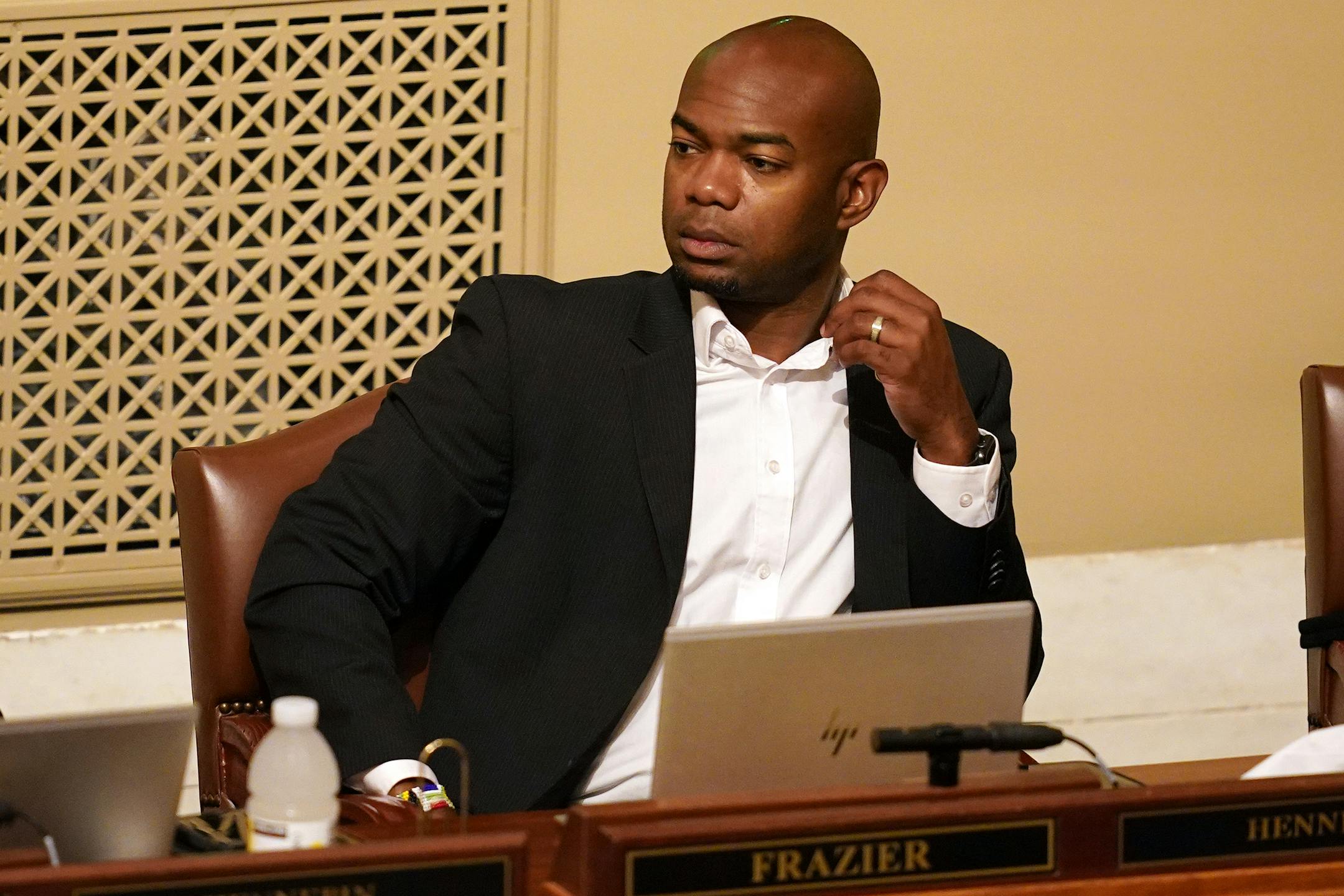
Rep. Cedrick Frazier, an attorney from New Hope, said in a series of tweets that while the bill "didn't go nearly far enough on important police accountability and reform measures … there are a few great things that will move Minnesota forward." Among the most important is a provision Frazier carried that will allow the Peace Officer Standards and Training (POST) board to build a database of problem officers so that they will no longer be able to job-hop to other agencies.
These are all valuable initiatives, yet Frazier is right that the task of reforming criminal justice and holding law enforcement accountable is not over. It wasn't over last year, despite serious reforms that followed George Floyd's murder by a Minneapolis officer. And neither will this year be the final installment.
Walz added another important piece with executive actions earlier this week. Although the House and Senate failed to reach agreement on quick release of bodycam footage to victim families in deadly force cases, Walz declared that it will, indeed, be the new standard for state law enforcement officers. And, he noted, it can't just be in instances where departments believe the video exonerates their officers. "It has to be uniform," he said. "That goes a long way toward letting people know what happened and building trust."


