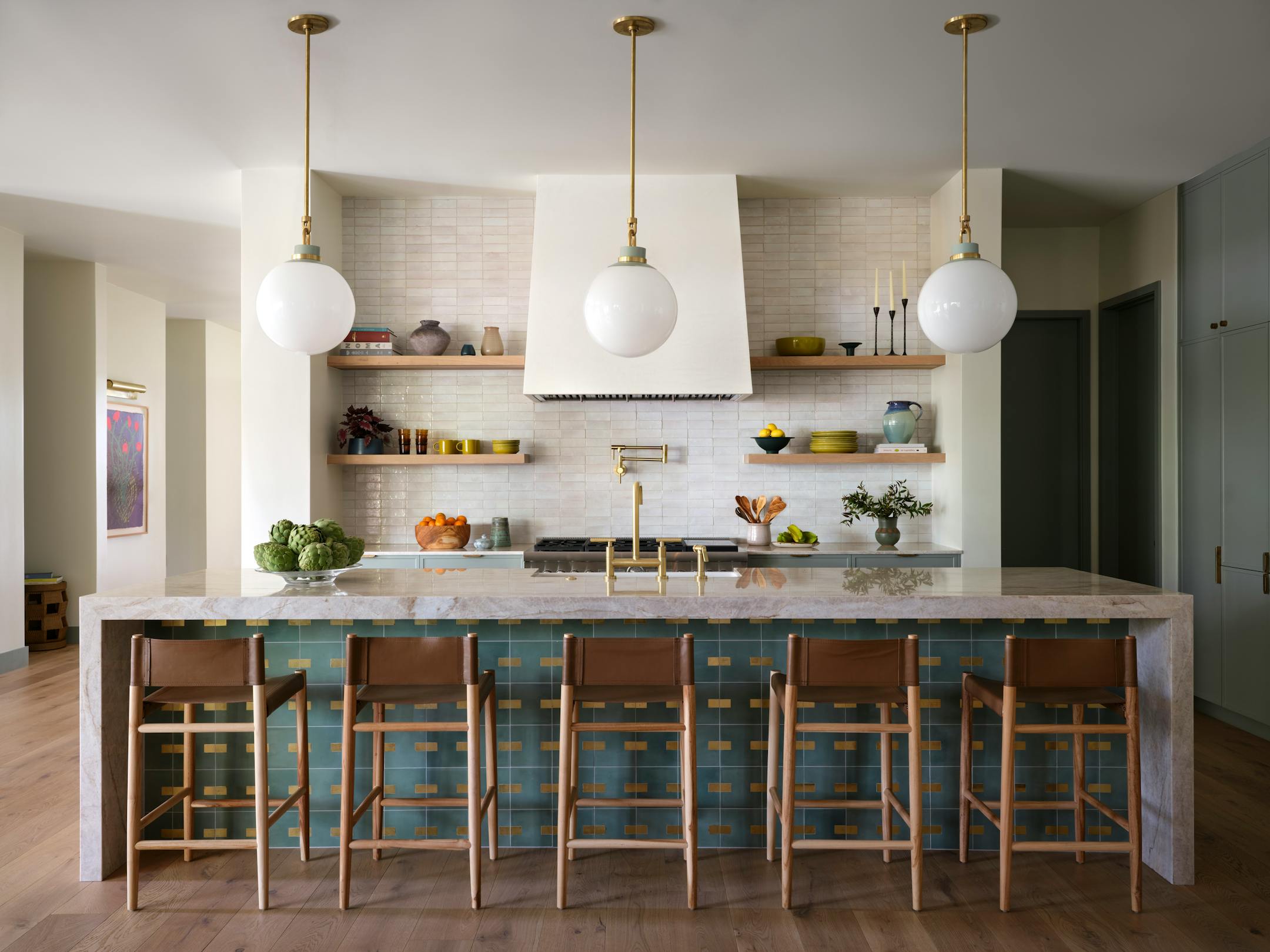
When designing a kitchen, it’s normal to obsess over appliances, cabinets and counters. But there’s another element that deserves just as much attention: the backsplash.
“They’re often an afterthought,” said George Glasier, a founder of the British kitchen company Pluck. “But they can make or break a kitchen quite often.”
Allison Bryan, the founder of Open Studio Collective, an architecture and design firm with offices in Portland, Oregon, and Bozeman, Montana, echoed that sentiment. “It’s one of the most important parts of the kitchen,” she said. Because it’s a vertical surface roughly at eye level, Bryan continued, “I actually think of it as a piece of art.”
Of course, it’s a piece of art that needs to withstand splashing water, squirting citrus and sprays of spaghetti sauce, so the choice of material is critical.
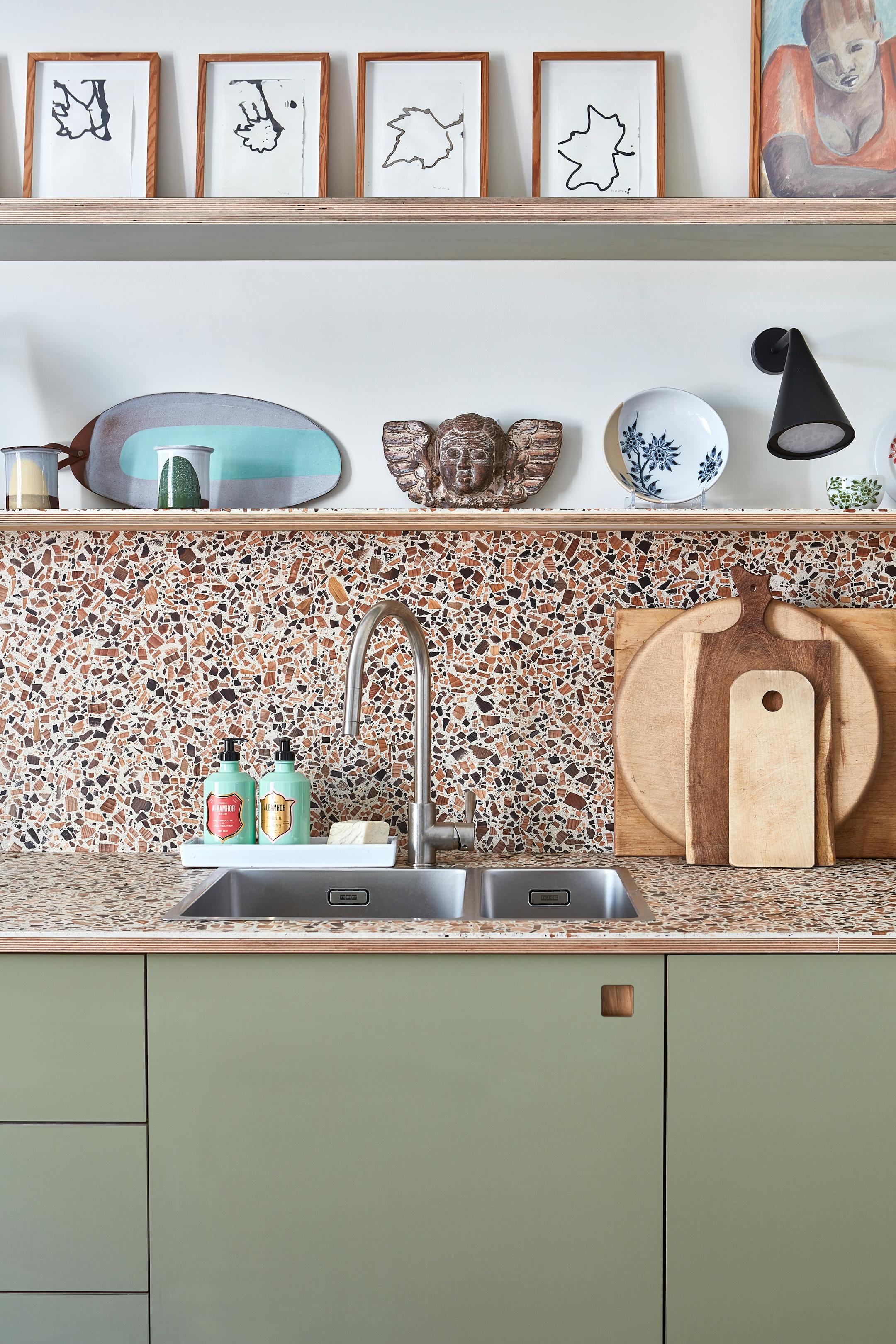
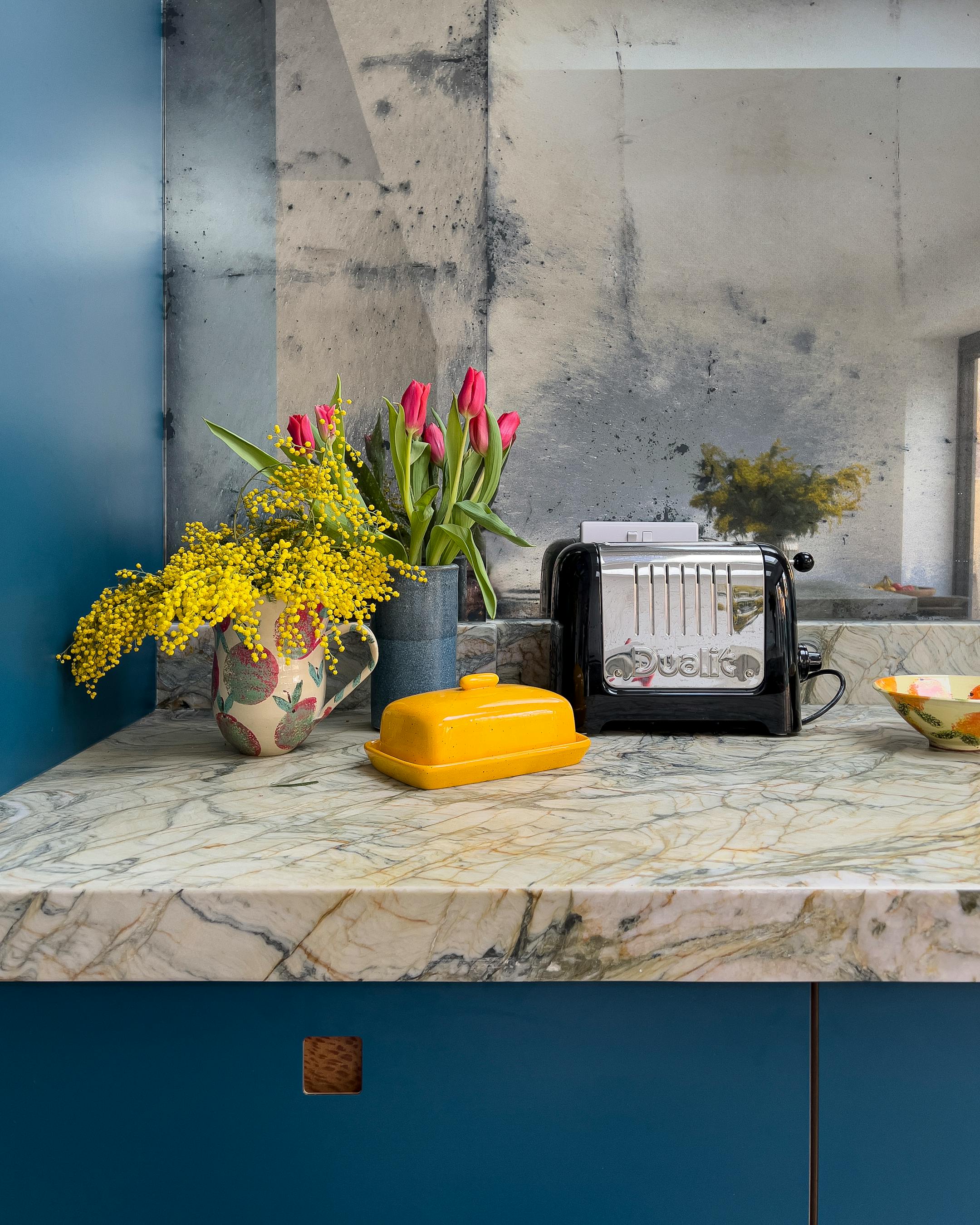
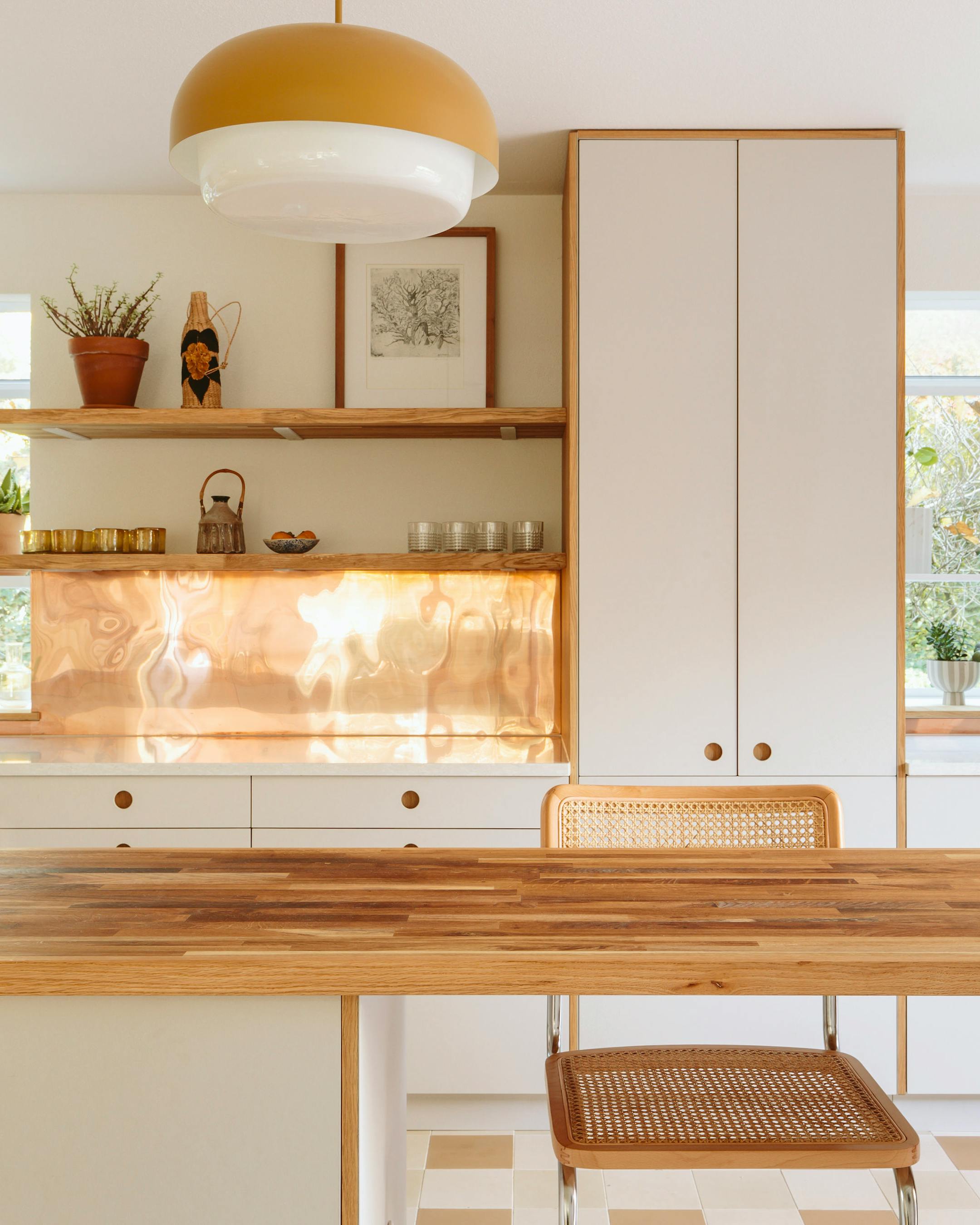
There are countless options and treatments available, which can dramatically change how a kitchen looks. The starting point should always be a larger design vision — for instance, the color palette you desire, and whether you want the backsplash to blend in or stand out — but once you’ve set the direction, it’s time to explore the possibilities.
Here’s how Glasier, Bryan and other designers have used backsplashes to help create extraordinary kitchens.
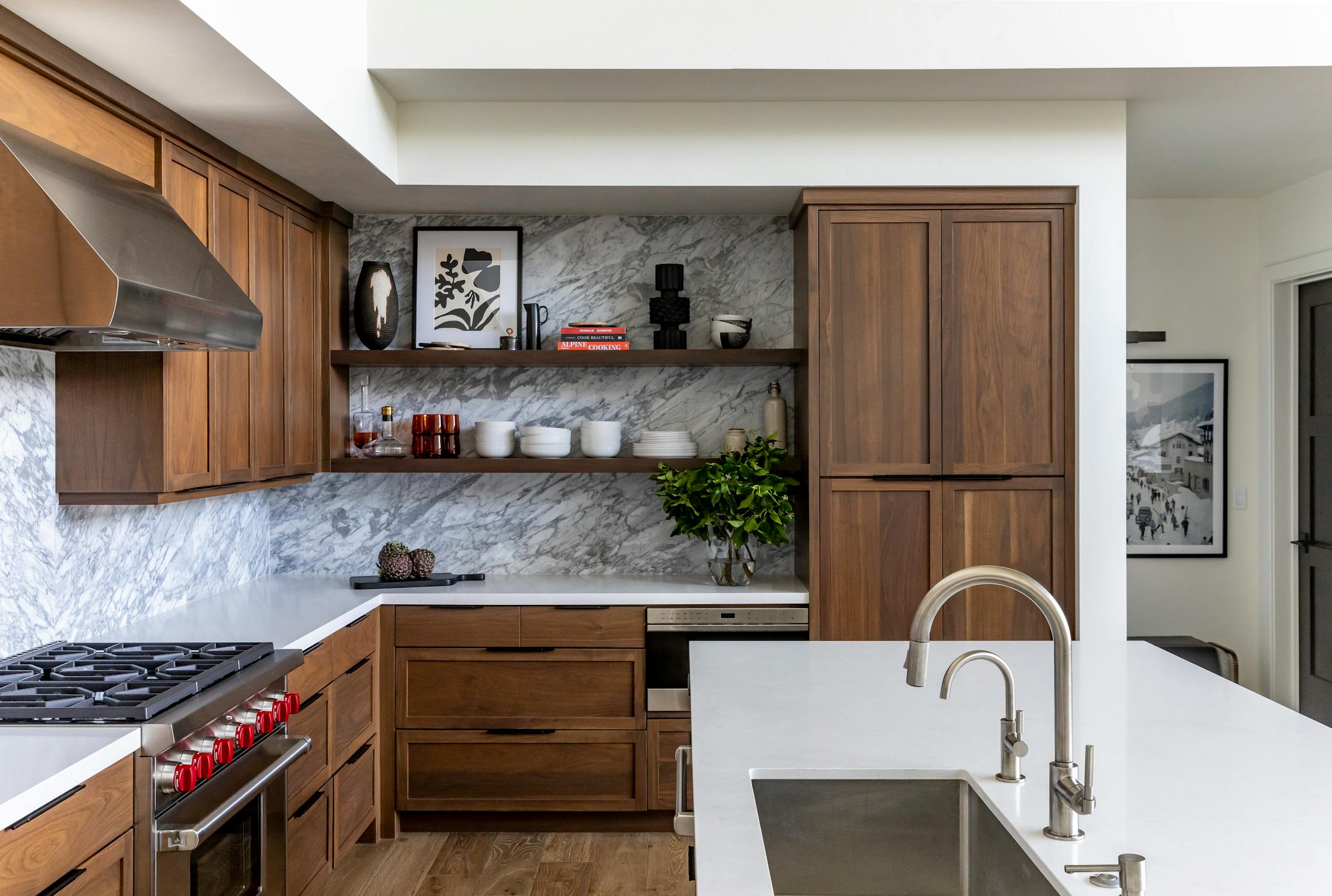
Use solid slabs
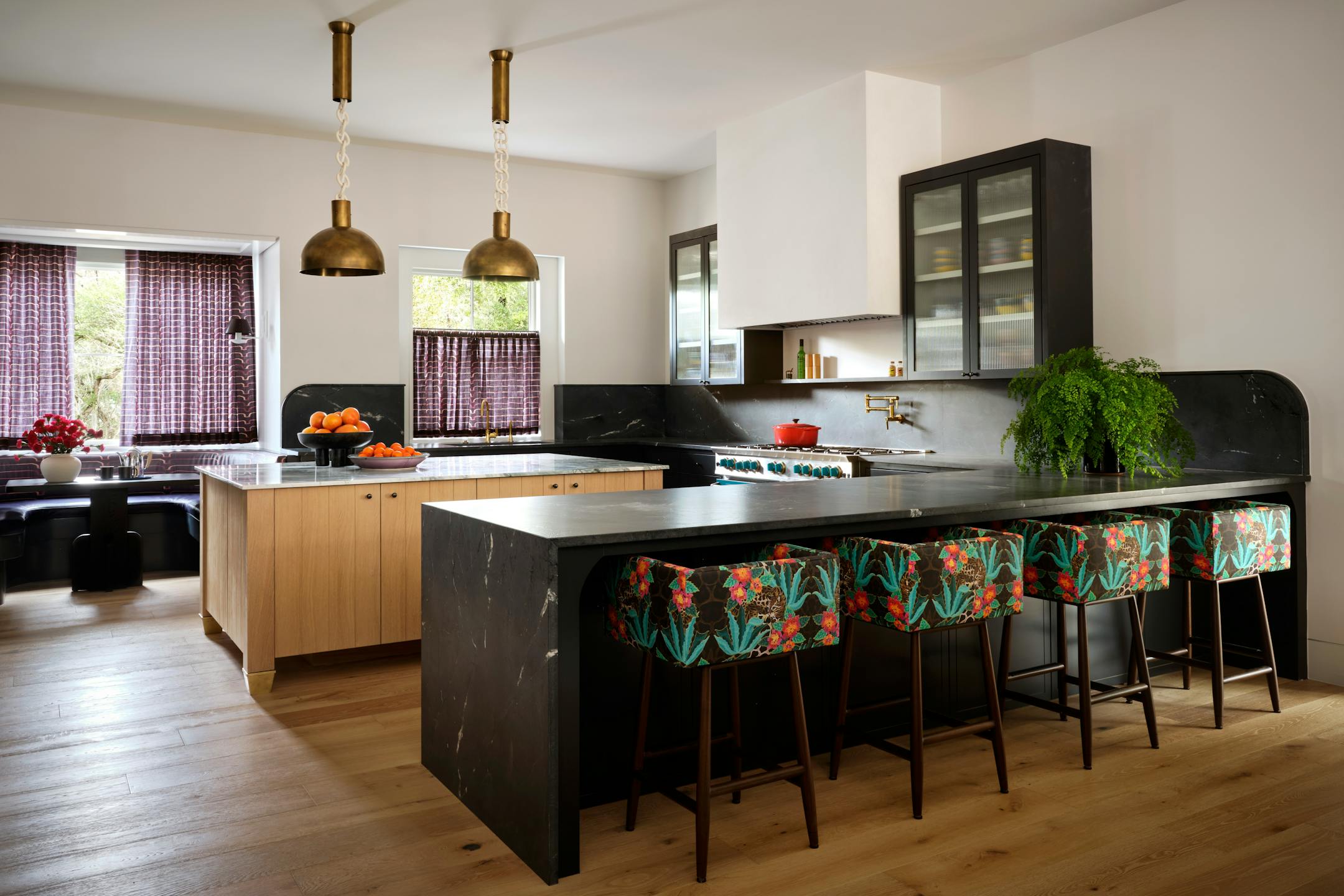
If you want your backsplash to blend in with the rest of the kitchen, one of the most common techniques is to continue the countertop material up onto the wall. Slabs of natural stone, quartz or other materials can rise just a few inches above the counter, fill the space between the counter and upper cabinets or even run to the ceiling in kitchens where there aren’t upper cabinets.
But there’s no rule that says you have to use exactly the same material for the counter and the backsplash. Marli Jones and Michael Kreuser, the owners of Rebel House, a Chicago-based interior design firm, frequently choose a more eye-catching material for the backsplash.