Surprising as it may seem, this is a very good time to take in one of nature's most spectacular birds: bald eagles.
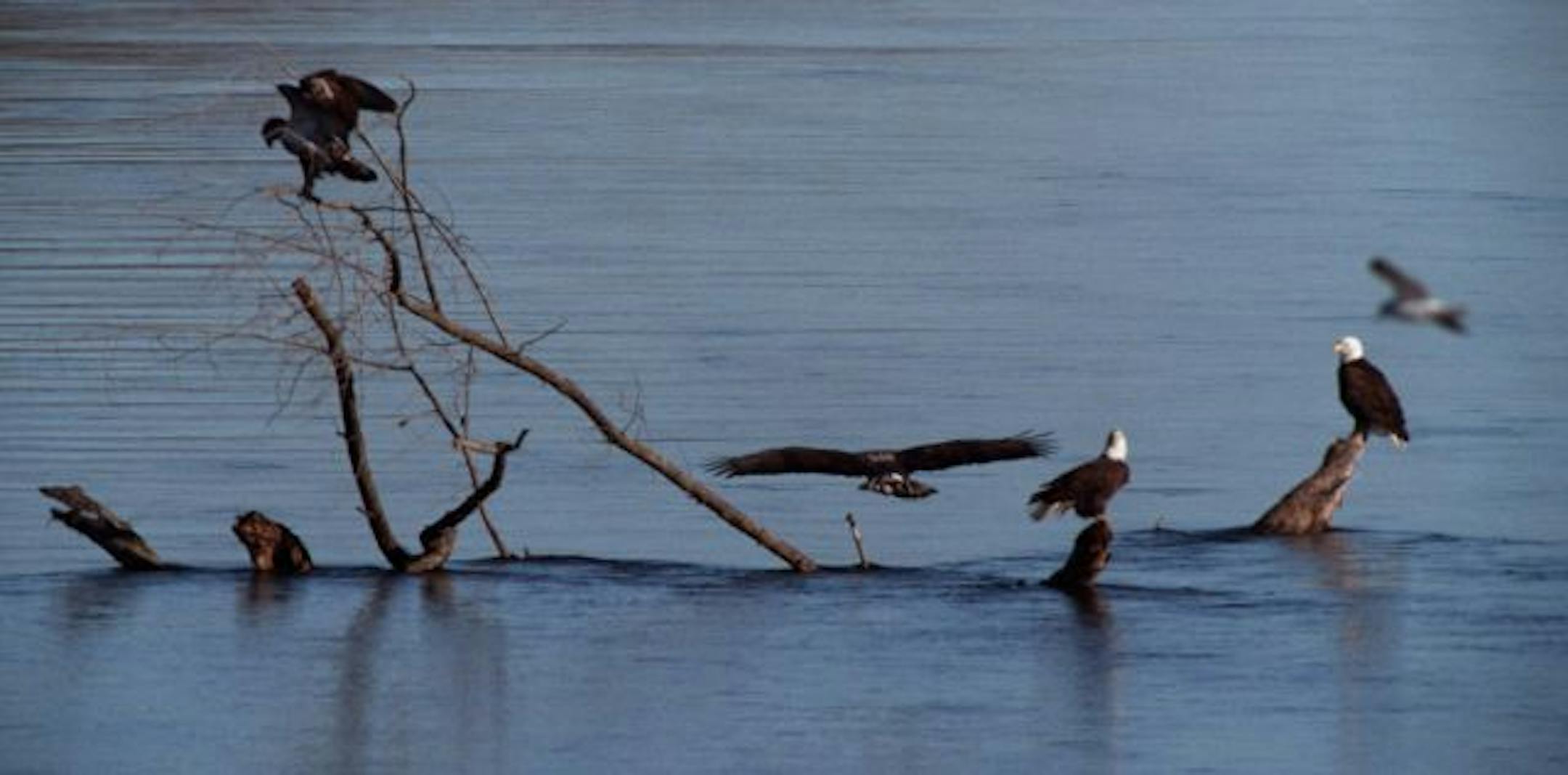
Just a two-hour drive south of the Twin Cities on Hwy. 61, you'll find a stretch of the Mississippi River that usually remains open in the winter. From the overlook at Reads Landing to the town of Wabasha, eagles stack up by the dozens. You can see them flying low over the water, fishing, chasing one another to try to steal catches, perching in trees or standing on the edge of the ice.
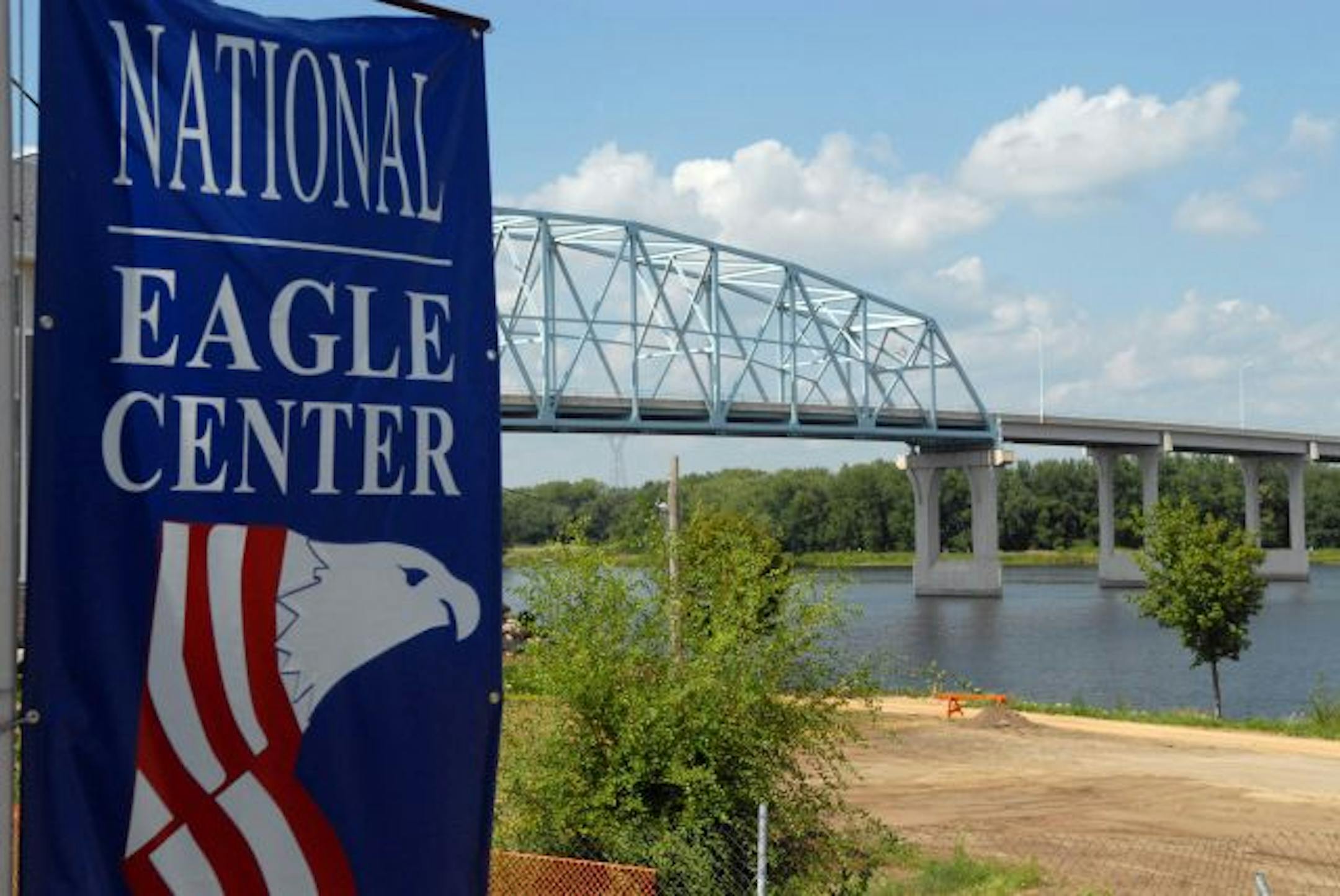
The river town of Wabasha already is known for its Historic Anderson House hotel (where you can rent a cat along with a room), as well as a unique kimono shop. But Wabasha is becoming equally famous as the home of the National Eagle Center.
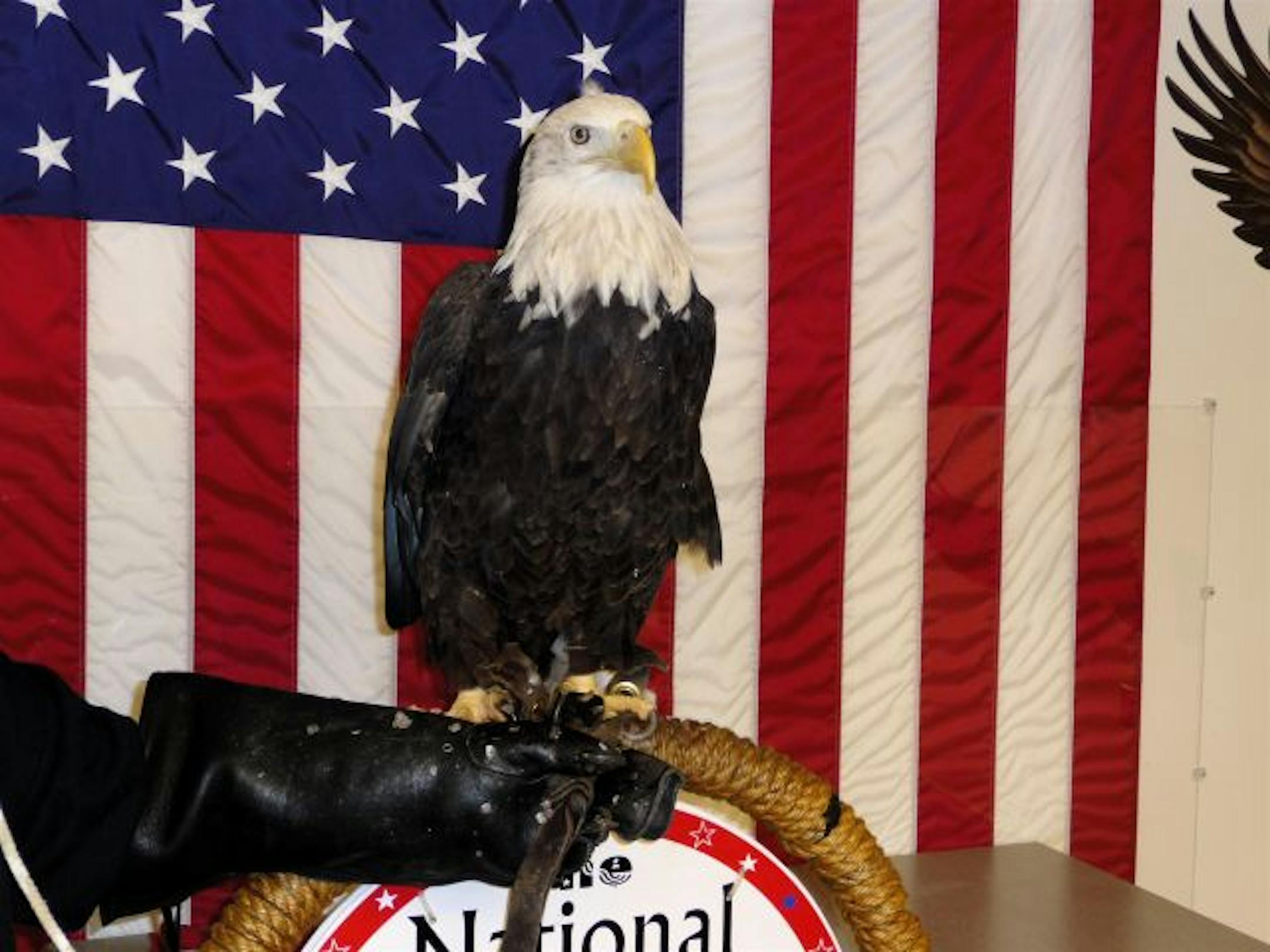
At the 14,000-square-foot building you can see an eagle up close, take part in an educational program about eagles or watch eagles from the center's observation decks, which are outfitted with spotting scopes. The center, which opened in 2007, also has exhibits, an aviary and rehab for injured eagles.
Director of programming MaryBeth Garrigan, her staff and a cadre of dedicated volunteers are justifiably proud of the center, which began life as a viewing platform along the river and morphed into a national wildlife attraction that drew 100,000 visitors in 2008.
While many of those visitors came in summer, winter offers a better window on these majestic, wild birds.
"The best time to see bald eagles is these winter months, when the scarcity of open water causes them to bunch up," said Garrigan. "Most winters we can count between 200 and 300 bald eagles along this 5-mile stretch of river."
At any time of year the center allows you to watch one of the four resident eagles being fed, bathing or taking the spotlight in a presentation. There's the large and genial Harriet, who posed as the model for Minnesota's veterans' license plate. Nervy Angel stares out the windows and keens loudly whenever wild eagles fly across "her" territory. Columbia and Donald (a golden eagle) are younger birds still learning the ropes. These birds suffered injuries that left them permanently unable to fly, so they spend their days educating the public.